Biofilm Mechanics: Why 1300 Pulses Per Minute is Not a Marketing Gimmick
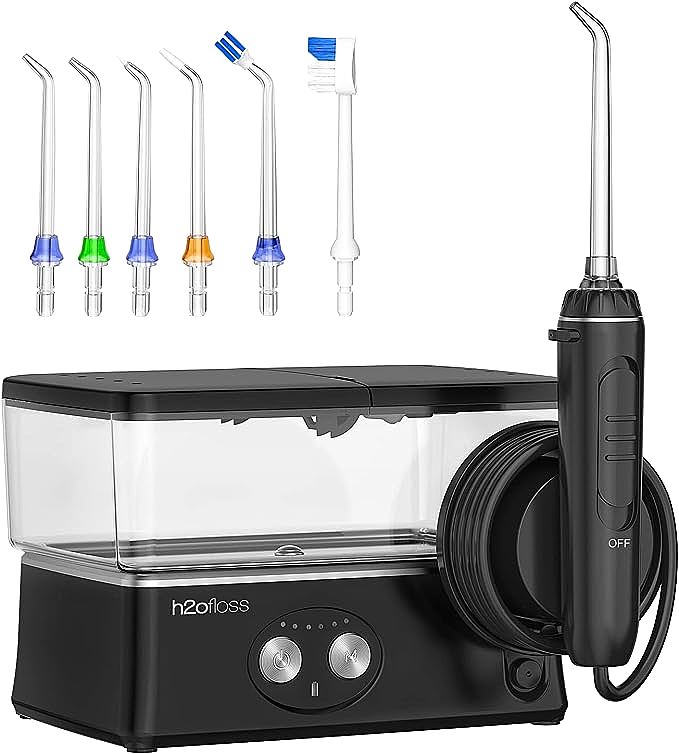
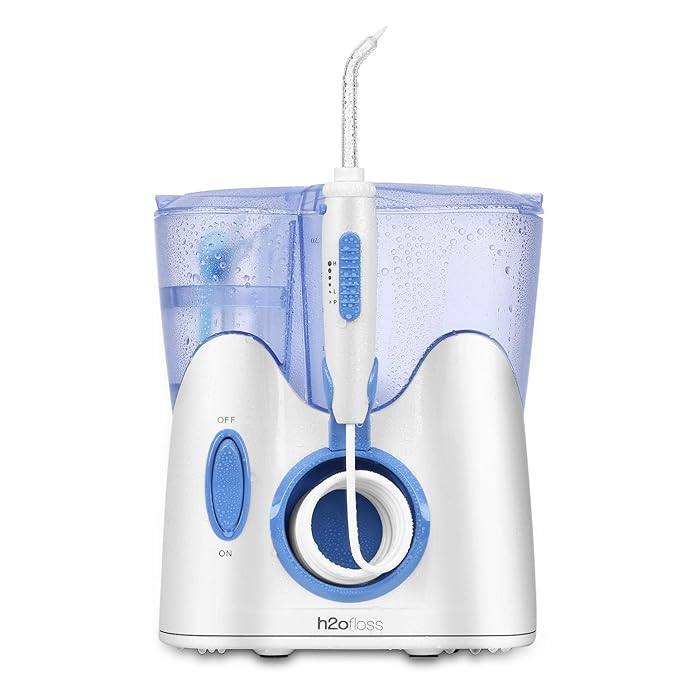
h2ofloss Portable Water Dental Flosser
Most users misunderstand the purpose of a water flosser. They believe it is a "water toothpick" designed simply to dislodge spinach from between teeth. This is a fundamental error in physics.
The primary enemy is not food debris; it is plaque biofilm. Biofilm is not a passive layer of dirt. It is a complex, viscoelastic structure—a microscopic city of bacteria held together by an extracellular polymeric substance (EPS) matrix. This matrix acts like a glue, resisting mechanical removal.
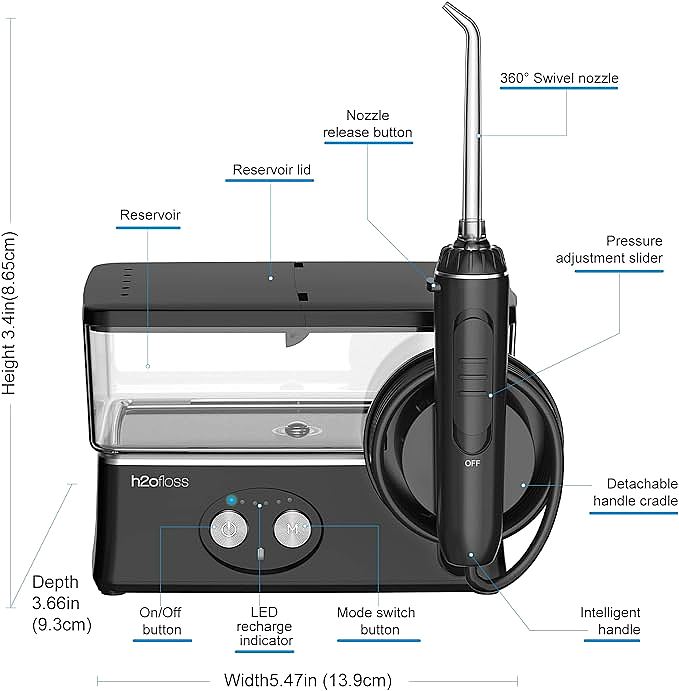
To destroy this structure without abrasion (scratching the enamel), we rely on Hydrodynamic Shear Stress. This analysis deconstructs the h2ofloss Portable Water Dental Flosser (Model 529) not as a hygiene gadget, but as a fluid dynamics instrument.
The Physics of Shear Stress and Pulsation
Continuous water flow (laminar flow) is inefficient at removing biofilm. It flows over the sticky surface. To detach the biofilm, we need to introduce turbulence and compression-decompression cycles.
This is why the spec sheet matters. The h2ofloss operates at 1300 pulses per minute. This frequency is not arbitrary.
1. Compression Phase: The water jet impacts the gumline, compressing the gingival tissue slightly and forcing water into the periodontal pocket.
2. Decompression Phase: The pause between pulses allows the tissue to recoil and the fluid to exit, carrying detached bacteria with it.
This rapid cycling creates a fatigue effect on the biofilm's EPS matrix. It's similar to using a jackhammer rather than a continuous drill. The 1300 Hz frequency generates sufficient wall shear stress ($\tau_w$) to overcome the adhesion forces of the bacteria.
Volume Constraints in Portable Fluid Dynamics
A critical limitation of most portable units is reservoir size. Effective shear stress requires time. A 3-second burst is insufficient to fluidize the biofilm.
Standard portable units often cap at 200-300ml, forcing a refill mid-session. This breaks the user's workflow and reduces the total time under tension for the biofilm. The h2ofloss utilizes a 420ml reservoir. From an engineering standpoint, this is a significant deviation from the norm. It allows for a sustained duty cycle, ensuring that the 110-125 PSI (Strong Mode) pressure can be applied long enough to reach the yield point of the plaque biofilm.
The Variable Pressure Curve
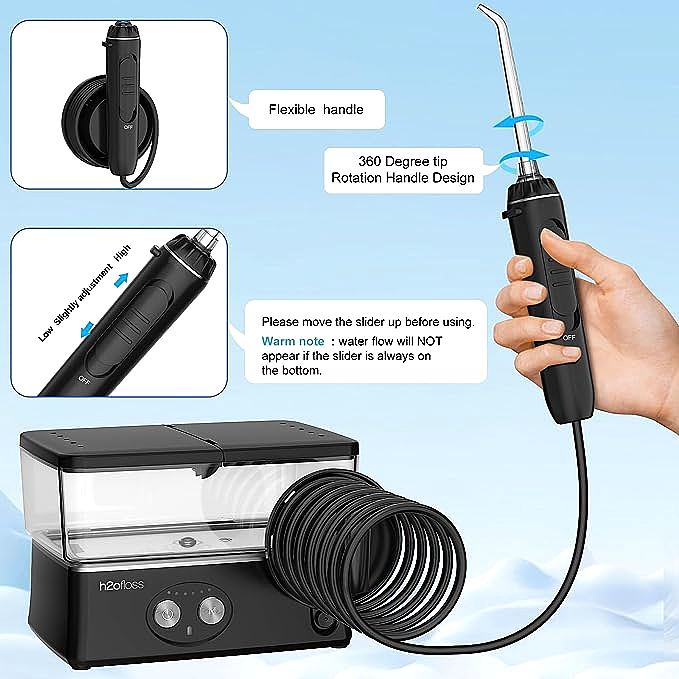
The device offers 6 modes ranging from 45 to 125 PSI. * Low Range (45-55 PSI): Below the threshold for significant biofilm removal, but necessary for soft tissue conditioning (preventing gingival trauma in new users). * High Range (110-125 PSI): This is the operational zone for actual cleaning. At 125 PSI, the jet velocity is high enough to penetrate up to 6mm into periodontal pockets, flushing out anaerobic bacteria that oxygen-rich environments usually don't reach.
Hardware Integrity and Maintenance
The unit is rated IPX7, implying it can withstand immersion. However, the mechanical weak point in all such devices is the pump seal. The "gravity ball" design in the h2ofloss intake allows the pump to prime at any angle, which is essential for maintaining constant pressure when maneuvering around lingual (tongue-side) surfaces.
Forensic Conclusion
The h2ofloss is defined by two parameters: 1300 pulses/min and 420ml capacity. Without the former, it cannot break biofilm. Without the latter, it cannot sustain the attack. It is a functional tool for hydrodynamic shear stress application.
h2ofloss Portable Water Dental Flosser
Related Essays
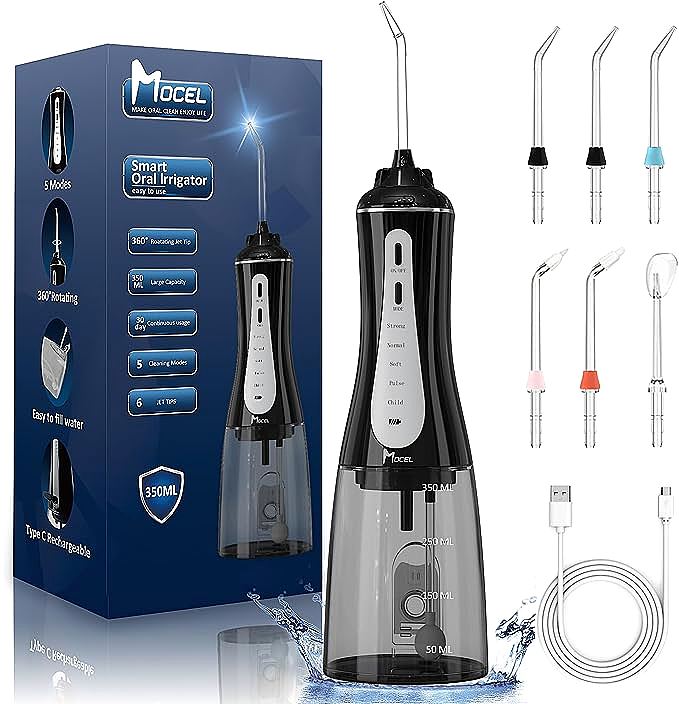
The Velocity Variable: Why 3000 PPM Changes the Hydrodynamic Equation
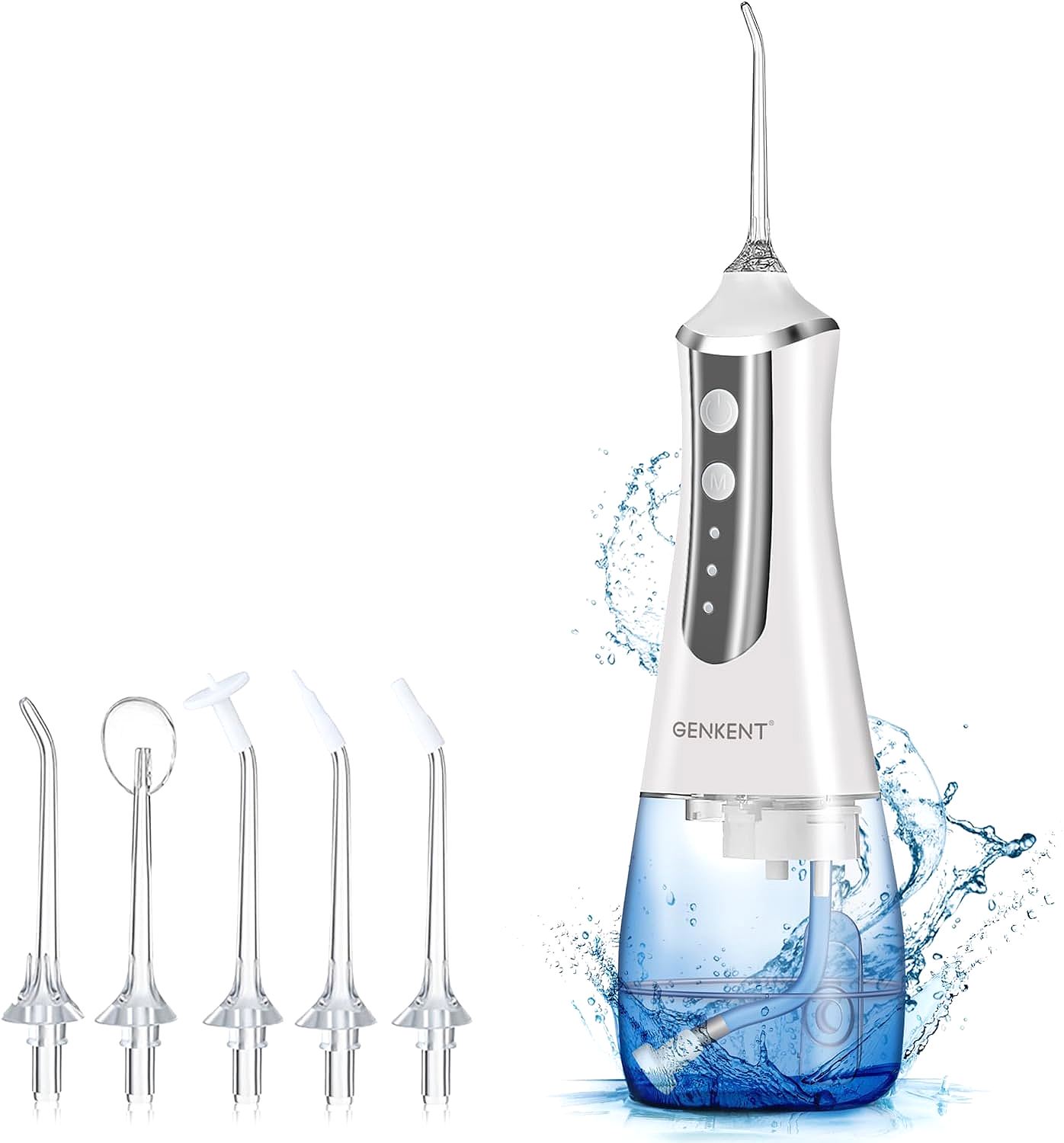
The Hydrodynamics of Biofilm Control: Why Pulse Frequency Matters More Than Pressure
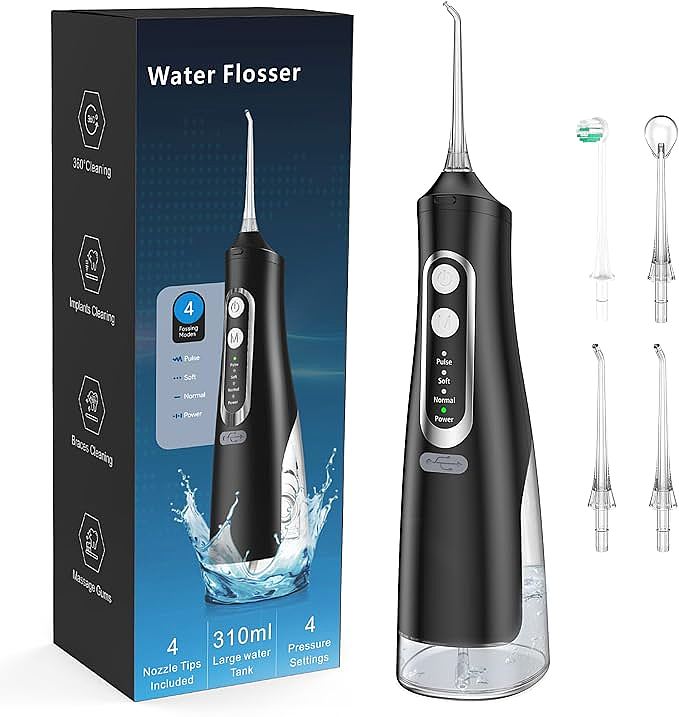
The Hydrokinetic Revolution: A Deep Dive Into How Water Flossers Transform Oral Health
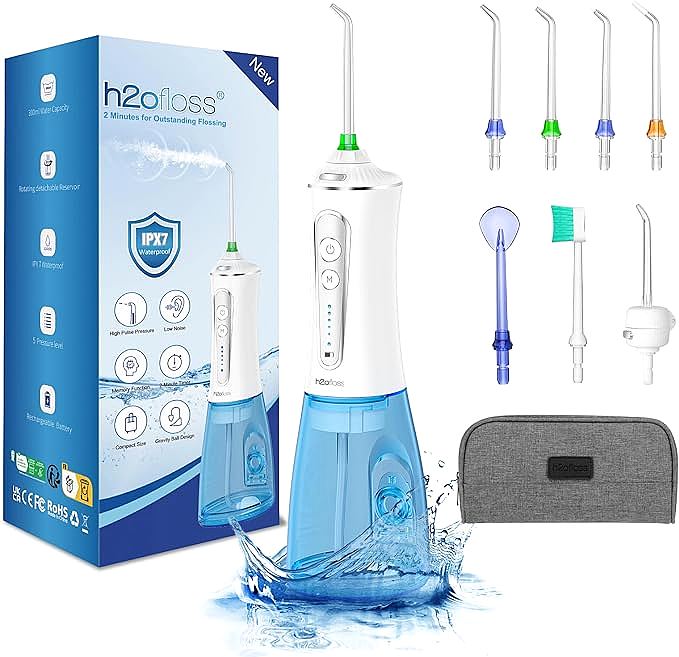
H2ofloss HF-P11 : The Hydrodynamic Science Behind a Deeper Clean
H2ofloss hf-9 Dental Water Flosser: Deep Clean Your Teeth with Powerful Water Pulse Technology

YIRENZUI Water Flosser: A Deep Dive into Oral Health and the Benefits of Water Flossing

Beyond the Bristles: The Hydrodynamic Science of a Deeper Clean

The War on Biofilm: How Water Flosser Science is Redefining a Truly Clean Mouth

The Engineering of a Deeper Clean: A Scientific Look at the MiMO PO-CJ601 Water Flosser's Technology