Fluid Dynamics in Orthodontics: Mastering Non-Contact Cleaning with Precision Irrigation
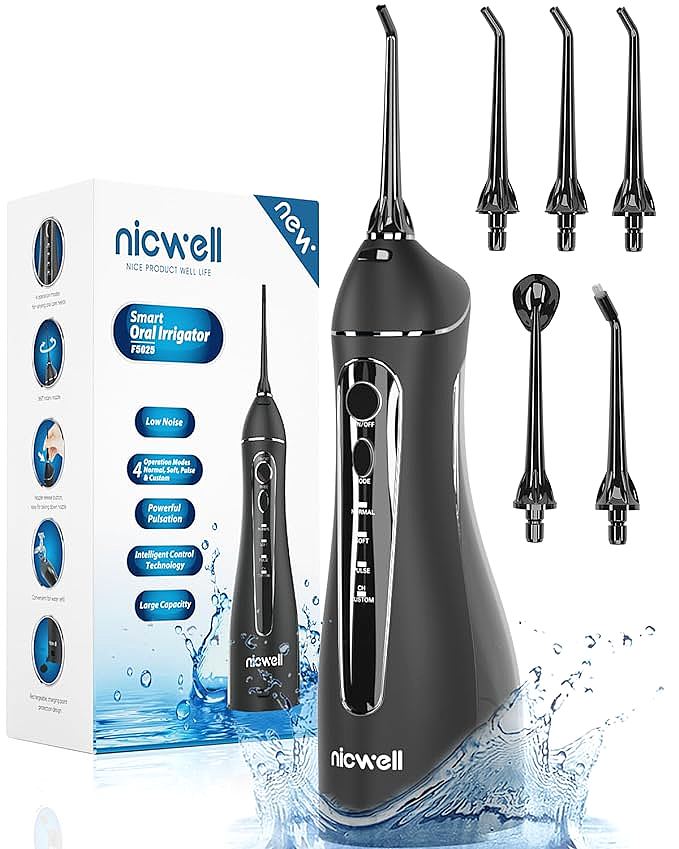
Nicwell F5025 Water Dental Flosser
For individuals navigating the complex landscape of orthodontic treatment, oral hygiene transcends routine; it becomes a tactical operation. The introduction of brackets, wires, and bands creates a labyrinth of retention sites where mechanical cleaning tools—like traditional toothbrushes and string floss—often fail. The consequence is not merely cosmetic; the accumulation of plaque biofilm around orthodontic hardware is the primary catalyst for decalcification (white spot lesions) and hyperplastic gingivitis.
Addressing this challenge requires a shift from friction-based cleaning to hydrodynamic shear force. This is the domain of the modern water flosser. By utilizing high-frequency pulsation, devices like the Nicwell F5025 Water Dental Flosser demonstrate how controlled fluid dynamics can disrupt biofilm architecture in areas that are physically inaccessible to bristles, offering a scientifically grounded solution for high-risk oral environments.
The Physics of Non-Contact Cleaning
The efficacy of a water flosser lies in its ability to generate pulsating kinetic energy. Unlike a continuous stream, a pulsating jet (operating between 1400 and 1800 pulses per minute) creates a compression-decompression cycle at the impact site. This rapid fluctuation generates shear stress—a physical force that runs parallel to the tooth surface.
It is this shear stress, rather than direct impact, that peels the sticky biofilm matrix away from the enamel and orthodontic brackets. Furthermore, the interaction between the water jet and the oral fluids creates a turbulent environment that penetrates deep into the interdental spaces and the gingival sulcus (the pocket between the tooth and gum). This "flushing zone" extends millimeters beyond where the water tip actually touches, effectively managing the anaerobic bacterial load that thrives in these oxygen-deprived niches.
Adaptive Pressure: The "Custom" Mode Advantage
One of the critical physiological variables in oral care is tissue tolerance. Gingival tissue varies significantly in its resilience; healthy gums can withstand high pressure, while inflamed or "boggy" gums (common in orthodontic patients) require a delicate touch. A binary "High/Low" setting is often insufficient for therapeutic progress.
The Nicwell F5025 addresses this biological nuance through its Custom Mode, which allows users to select from 8 distinct pressure levels ranging from 30 to 110 PSI. This granularity is clinically significant. * Initial Phase (30-50 PSI): For new users or those with acute inflammation, lower pressures prevent tissue trauma while still providing irrigation. * Maintenance Phase (60-80 PSI): As tissue health improves and keratinization increases, pressure can be titrated upwards to enhance biofilm disruption. * Debridement Phase (90-110 PSI): High pressure is utilized for dislodging tenacious food debris trapped in brackets or for deep cleaning healthy periodontal pockets.
This ability to titrate pressure essentially allows the device to "grow" with the user's improving oral health, transforming it from a simple cleaning tool into a customizable therapeutic device.
The Orthodontic Vector: 360-Degree Access
In orthodontic hygiene, geometry is as important as power. Fixed appliances create "shadow zones"—areas behind wires and adjacent to brackets that are shielded from direct brushing. A static nozzle often cannot navigate these angles effectively.
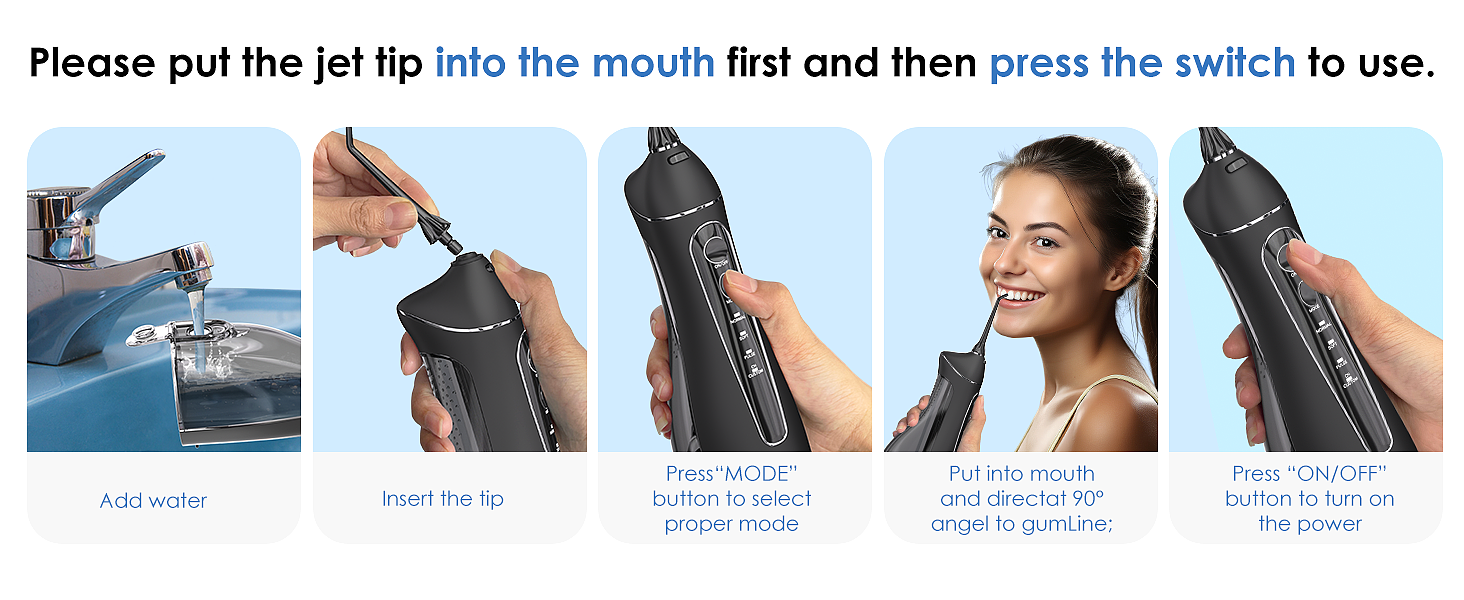
The integration of a 360-degree rotatable nozzle is a pivotal feature for overcoming these geometric barriers. It allows the user to direct the water stream perpendicular to the long axis of the tooth, regardless of hand position. This is particularly crucial for cleaning the lingual (tongue-side) surfaces of the teeth and the distal (back) surfaces of the last molars, areas that are notoriously prone to plaque accumulation.
Furthermore, the inclusion of specialized tips, such as an Orthodontic Nozzle with a tapered brush end, combines mechanical agitation with hydrodynamic flushing. This dual-action approach is highly effective for scrubbing around brackets while simultaneously washing away the dislodged debris.
Engineering for Compliance: The Portable Form Factor
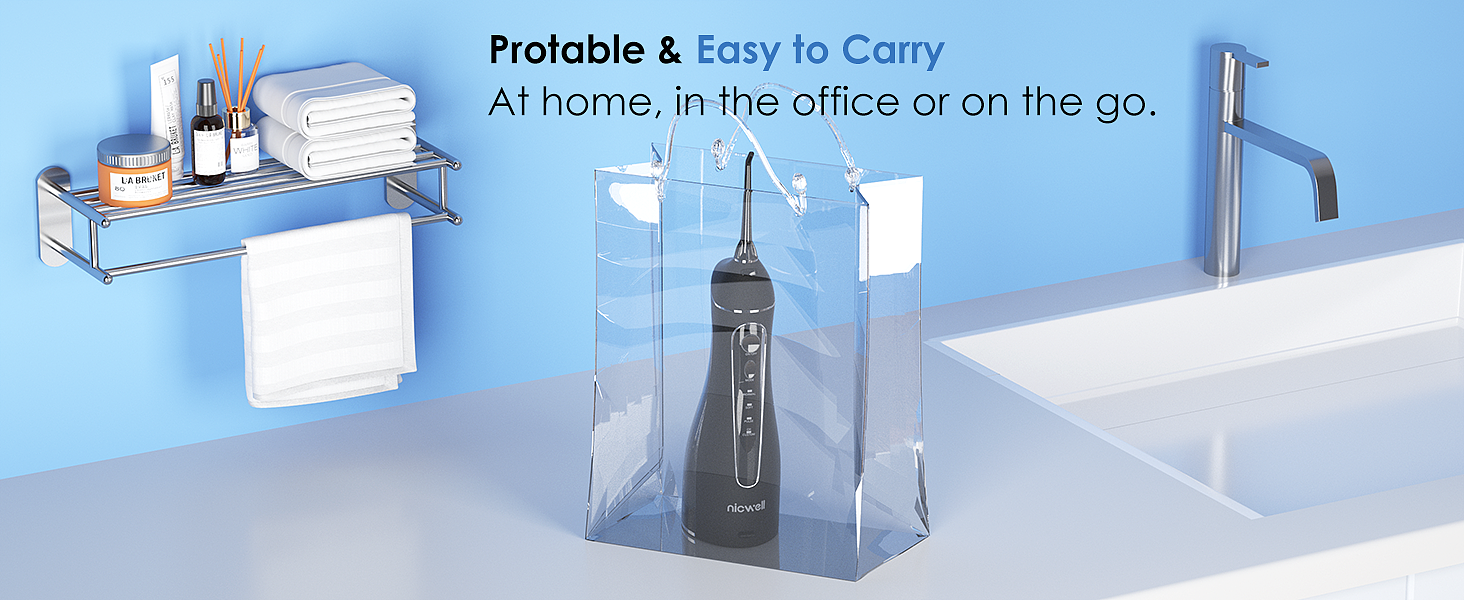
Clinical efficacy is irrelevant without user adherence. The best hygiene regimen is the one that is actually performed. Traditional countertop irrigators, while powerful, can be tethered and cumbersome, creating friction in the daily routine—especially for travelers or those with limited bathroom space.
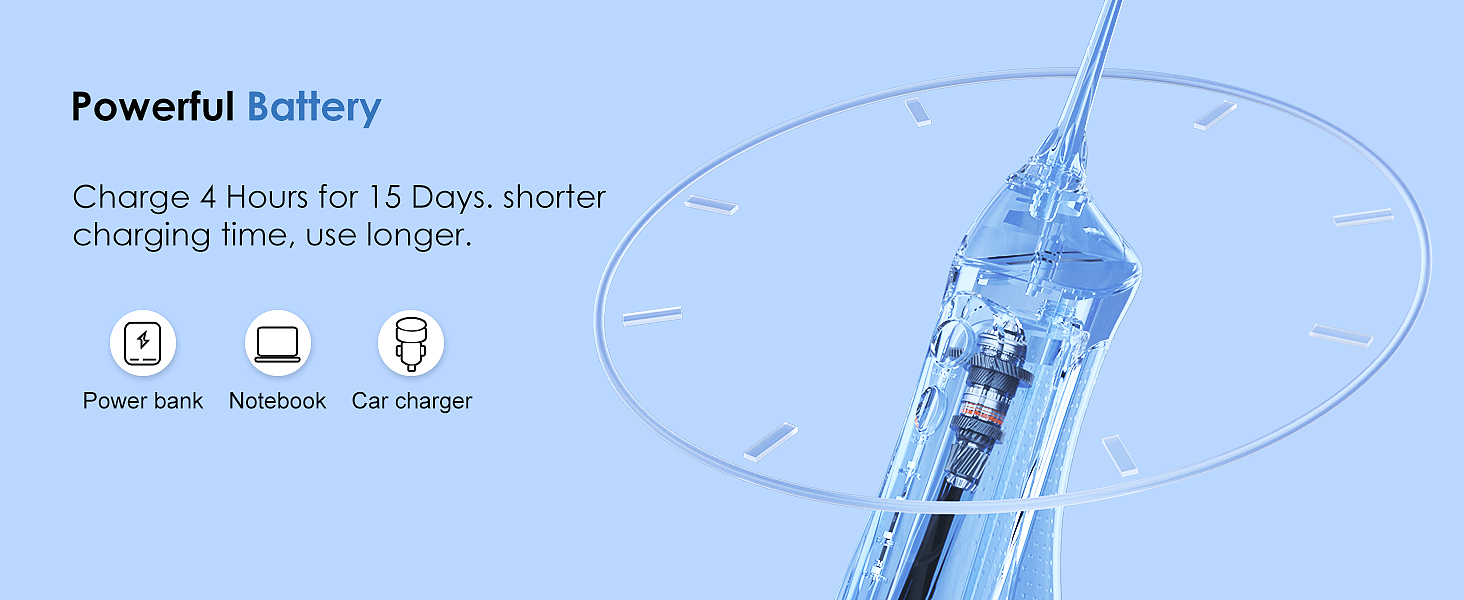
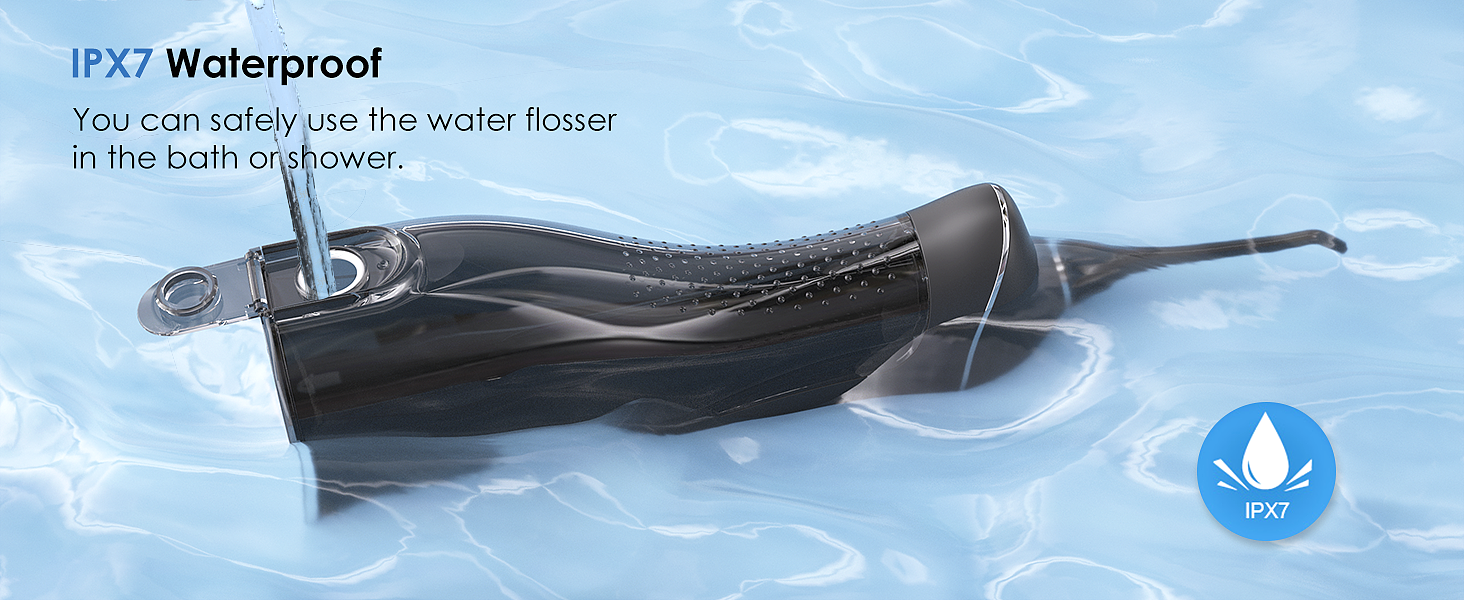
The shift towards high-performance cordless units represents a triumph of engineering for compliance. By packing a robust motor and a substantial battery (capable of 21 days of use) into a handheld, IPX7 waterproof chassis, devices like the Nicwell F5025 remove the logistical barriers to flossing. The ability to use the device in the shower not only mitigates the "mess factor" often cited by new users but also integrates the habit into an existing daily ritual, significantly increasing the likelihood of long-term adherence.
Conclusion: A Standard of Care for Complex Oral Environments
The management of oral health, particularly in the presence of orthodontic appliances or periodontal susceptibility, requires more than passive brushing. It demands active, hydrodynamic intervention. By understanding the principles of shear stress and leveraging the adaptability of modern variable-pressure irrigators, individuals can maintain a level of hygiene that protects their investment in their smile. The Nicwell F5025 serves as a prime example of how consumer technology has evolved to meet these rigorous clinical needs, offering a powerful, portable, and precise tool for the modern oral health arsenal.
Nicwell F5025 Water Dental Flosser
Related Essays

Hydrodynamic Hygiene: Mastering Oral Biofilm Control with Portable Precision
Hydrodynamics in Your Hand: The Science of Pulsed Water and Periodontal Health
The Portable Water Flosser for Kids: A Parent's Guide to a Healthier Smile
The ORAVIX Manual Water Flosser: An In-Depth Guide for Travel, Braces, and Tonsil Stones
Sonic Science: How 40,000 VPM Transforms Oral Health
Fluid Dynamics & Oral Health: The Engineering of Cordless Irrigation
The Science of Hydrokinetic Hygiene: Decoding Pulsation, Pressure, and Periodontal Health
Fluid Dynamics Personalized: Mastering Home Oral Hygiene with Adaptive Water Flossing Technology
The Sonic Shift: Understanding 42,000 VPM and the Sensory Adaptation to High-Frequency Hygiene