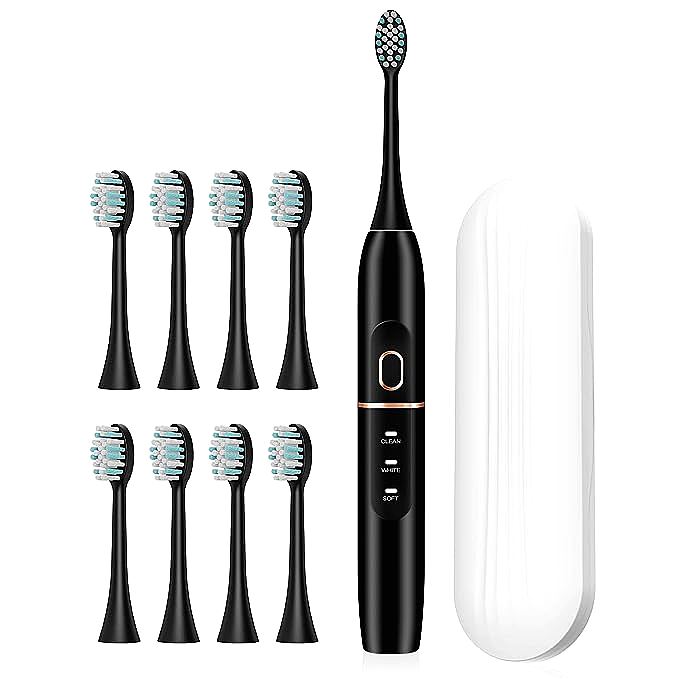
The Geometry of Hygiene: Engineering the Perfect 45-Degree Clean and Sonic Polishing at Home

Supersmile Zina45 Deluxe Sonic Pulse Electric Toothbrush
In the realm of oral health, there exists a significant chasm between what dental professionals advise and what the average person actually achieves in front of the bathroom mirror. We are all taught the fundamentals: brush twice a day, floss regularly, and don't press too hard. Yet, the most critical instruction—the precise angulation of the bristles—is often the first to be forgotten. This disconnect between professional technique and human dexterity is where modern engineering steps in, shifting the narrative from manual effort to automated precision.
Today, we explore the intersection of fluid dynamics, ergonomic design, and aesthetic maintenance. We will examine how specific technological advancements, exemplified by systems like the Supersmile Zina45 Deluxe Sonic Pulse, are attempting to bridge the gap between a daily chore and a professional hygiene protocol.
The Bass Method Paradox: Why Angles Matter
To understand the necessity of advanced toothbrush design, one must first understand the anatomy of the enemy. Plaque bacteria do not merely sit on the flat surfaces of the teeth; they thrive in the gingival sulcus, the shallow V-shaped crevice where the tooth meets the gum.
Ideally, to clean this area, dentists recommend the Bass Method: positioning the toothbrush bristles at a 45-degree angle to the gum line and using a gentle vibratory motion. This allows the bristles to reach slightly beneath the gum tissue to disrupt bacterial colonies.
However, maintaining a consistent 45-degree angle on both the inner and outer surfaces of every tooth requires a level of wrist dexterity and focus that few possess, especially early in the morning or late at night. This is where the "Bass Method Paradox" arises: the most effective technique is the one most prone to user error.
Engineering Compliance
This is where purpose-built hardware creates a paradigm shift. Rather than relying on the user to estimate angles, certain advanced devices integrate this geometry directly into the brush head itself.

The Supersmile Zina45 serves as a prime case study in this engineering philosophy. Its patented brush head features bristles that are physically mounted at a 45-degree angle. This design choice effectively "hard-codes" the Bass Method into the device. By simply placing the brush flat against the teeth, the user automatically engages the bristles at the optimal angle for sulcular cleaning.
The benefit is twofold:
1. Standardization: It eliminates the variable of human error, ensuring that the gingival margin is treated correctly with every pass.
2. Safety: By fixing the angle, it prevents the common mistake of brushing perpendicularly (90 degrees) with excessive force, which can lead to gum recession and enamel abrasion.
Beyond Vibration: The Science of Sonic Fluid Dynamics
While the angle handles the physical contact, the mechanism of action—sonic propulsion—addresses what lies beyond the bristles' reach. High-end sonic devices, operating at frequencies around 33,000 strokes per minute, do more than just scrub; they alter the oral environment through fluid dynamics.
When a brush head vibrates at sonic speeds, it creates two distinct phenomena: * Mechanical Scrubbing: The physical removal of plaque via bristle contact. * Non-Contact Cleaning (Fluid Dynamics): The rapid vibration churns fluids (saliva, water, and toothpaste) into a turbulent, oxygenated foam.
This dynamic fluid activity creates acoustic streaming—forces that drive this fluid deep into interdental spaces and below the gum line. It effectively flushes out debris and disrupts the biofilm matrix in areas where bristles physically cannot fit.
Devices harnessing this technology, such as the Zina45, use this principle to deliver a clean that feels distinctively different from manual brushing—often described as a "hydro-dynamic" sensation. The inclusion of specific modes, such as Stimu-Gum, further leverages these vibrations to gently massage gingival tissue, promoting blood circulation without the trauma associated with manual scrubbing.
The Aesthetic Frontier: Cleaning vs. Polishing
There is a nuanced but vital distinction between cleaning teeth and polishing them. Cleaning refers to the removal of plaque and food debris. Polishing, however, involves smoothing the enamel surface and removing extrinsic stains (discoloration from coffee, tea, or tobacco).
In a clinical setting, a hygienist uses a rubber cup and prophy paste to achieve this. At home, most users rely solely on abrasive toothpastes, which can sometimes be too harsh.
The Missing Link in Home Care
True aesthetic maintenance requires a dedicated tool. This is another area where specialized systems differentiate themselves. The Zina45, for instance, includes a dedicated Polishing Head with rubber cups, distinct from the standard nylon bristle head.

Why Surface Texture Matters: * Light Reflection: Smoother enamel reflects light more uniformly, making teeth appear naturally brighter and more lustrous. * Stain Resistance: Rough enamel acts like Velcro for pigments. By smoothing the surface (polishing), you reduce the surface area available for new stains to adhere to.
Integrating a polishing protocol into a weekly routine—using modes specifically calibrated for this, like the Zina45's Super Shine setting—bridges the gap between the daily hygiene routine and cosmetic dentistry. It represents a shift from merely "preventing cavities" to actively managing the visual aging of the smile.
Intelligent Feedback Loops
Even the most geometrically perfect and sonically powerful tool relies on duration to be effective. The consensus among dental professionals is a minimum brushing time of two minutes.
Modern devices tackle the issue of "time perception" through haptic feedback. Features like the Quad-Timer (interval alerts every 30 seconds) serve as a pacing mechanism, ensuring that all four quadrants of the mouth receive equal attention. This prevents the common habit of over-brushing the front teeth (which are visible) while neglecting the lingual (tongue-side) surfaces of the molars.
Conclusion: A Proactive Approach to Oral Longevity
The evolution of the toothbrush from a passive stick to an active, engineered system reflects a broader shift in personal health care. We are moving away from reactive maintenance towards proactive, scientifically informed preservation.
Tools like the Supersmile Zina45 Deluxe Sonic Pulse demonstrate that the future of oral care lies in the convergence of disciplines: the geometry of the Bass Method, the physics of sonic waves, and the aesthetics of professional polishing. By choosing tools that automate the correct techniques, we do not just clean our teeth; we protect the complex biological foundation of our smiles for the long term.
Ultimately, the best toothbrush is the one that makes the correct clinical technique the easiest path of resistance.
Supersmile Zina45 Deluxe Sonic Pulse Electric Toothbrush
Related Essays

The Physics of Effervescence: Nano-Bubbles, Cavitation, and the Power of Two-Phase Flow in Oral Hygiene

The Volume Advantage: Analyzing 320ml Capacity and DIY Pressure in Portable Flossing

Beyond Brushing: The Hydrodynamics of Pulsation and Biofilm Management
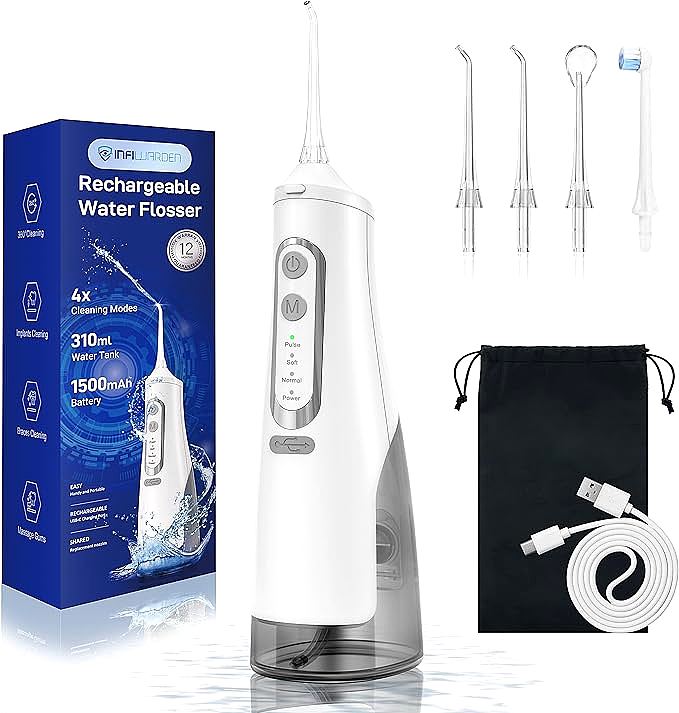
Fluid Dynamics & Oral Health: The Engineering of Cordless Irrigation
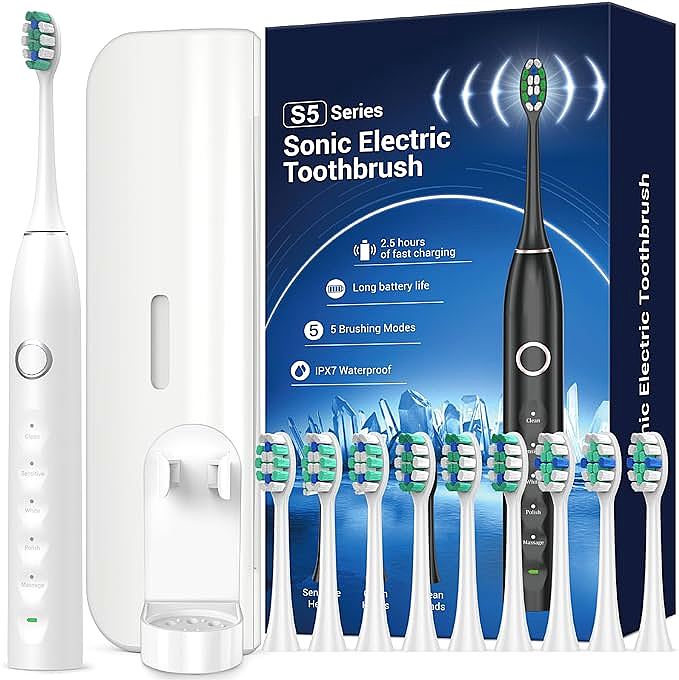
The Velocity of Clean: Deciphering 40,000 VPM and the Economics of Long-Term Oral Care
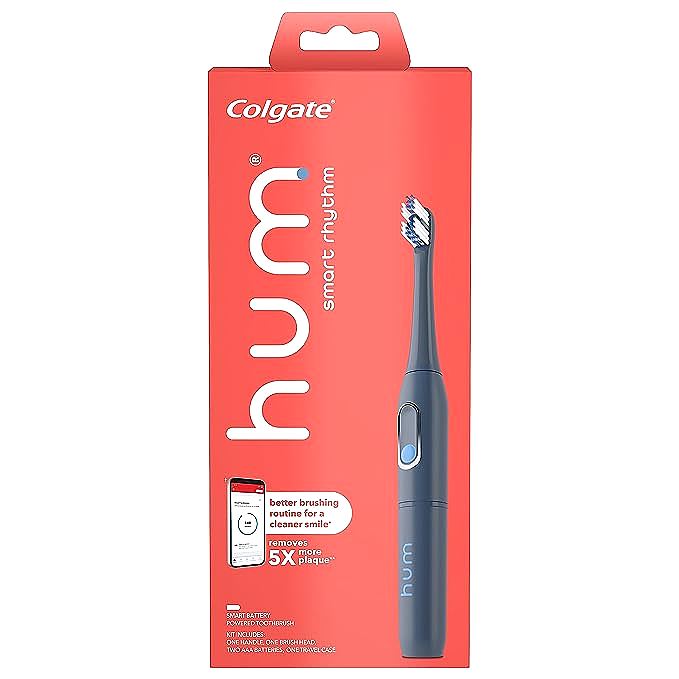
The Feedback Loop: Engineering Better Hygiene Habits with Sonic Precision and Data

The Hygiene Paradox: Decoding Hydrodynamics and UVC Safety in Oral Irrigation
Beyond RPM: Decoding the Mechanics of High-Frequency Sonic Oral Care

The Geometry of Hygiene: Decoding the 45-Degree Angle and Sonic Polishing in Home Dental Care