Democratizing Dental Health: The Science of Accessibility in Portable Water Flossing
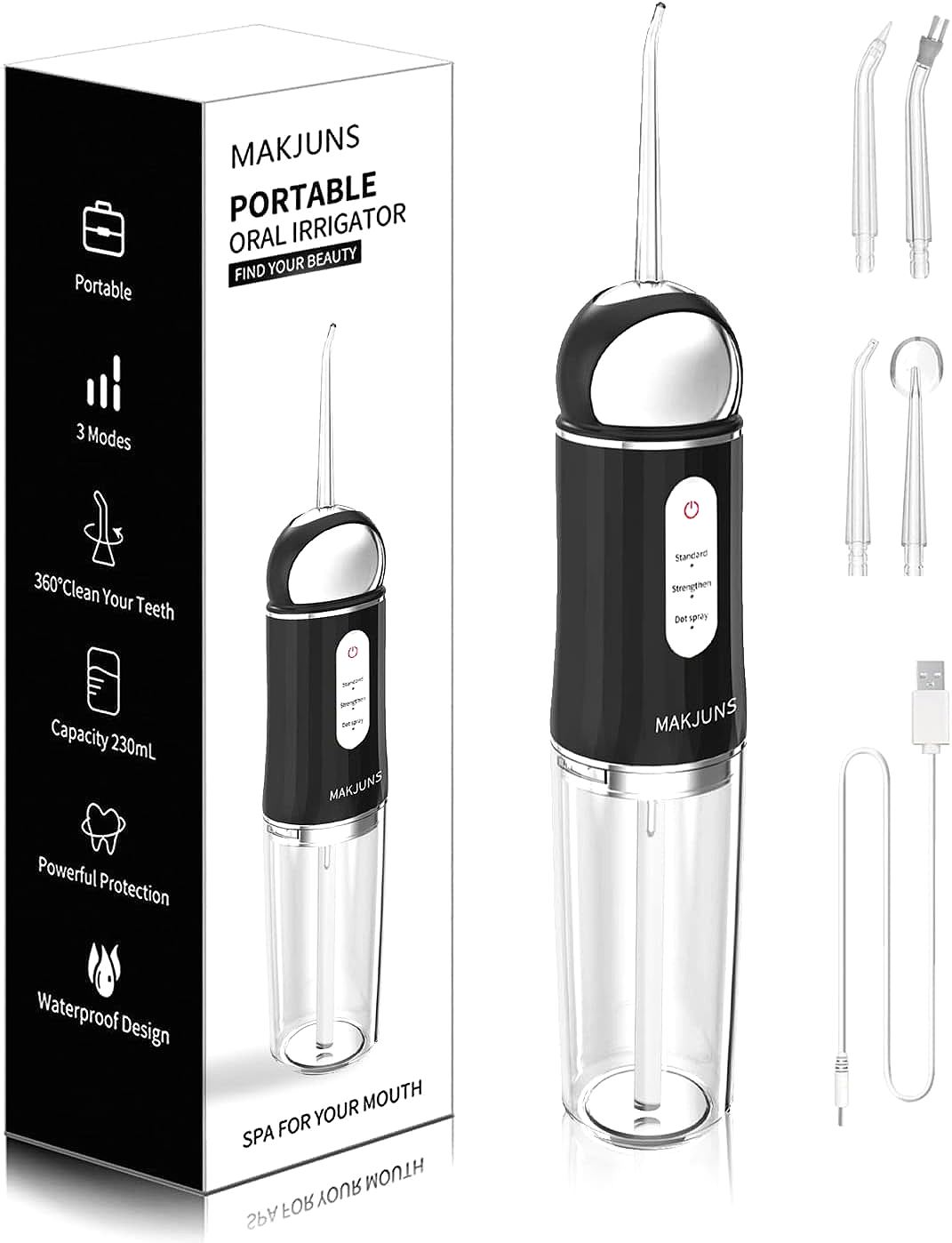
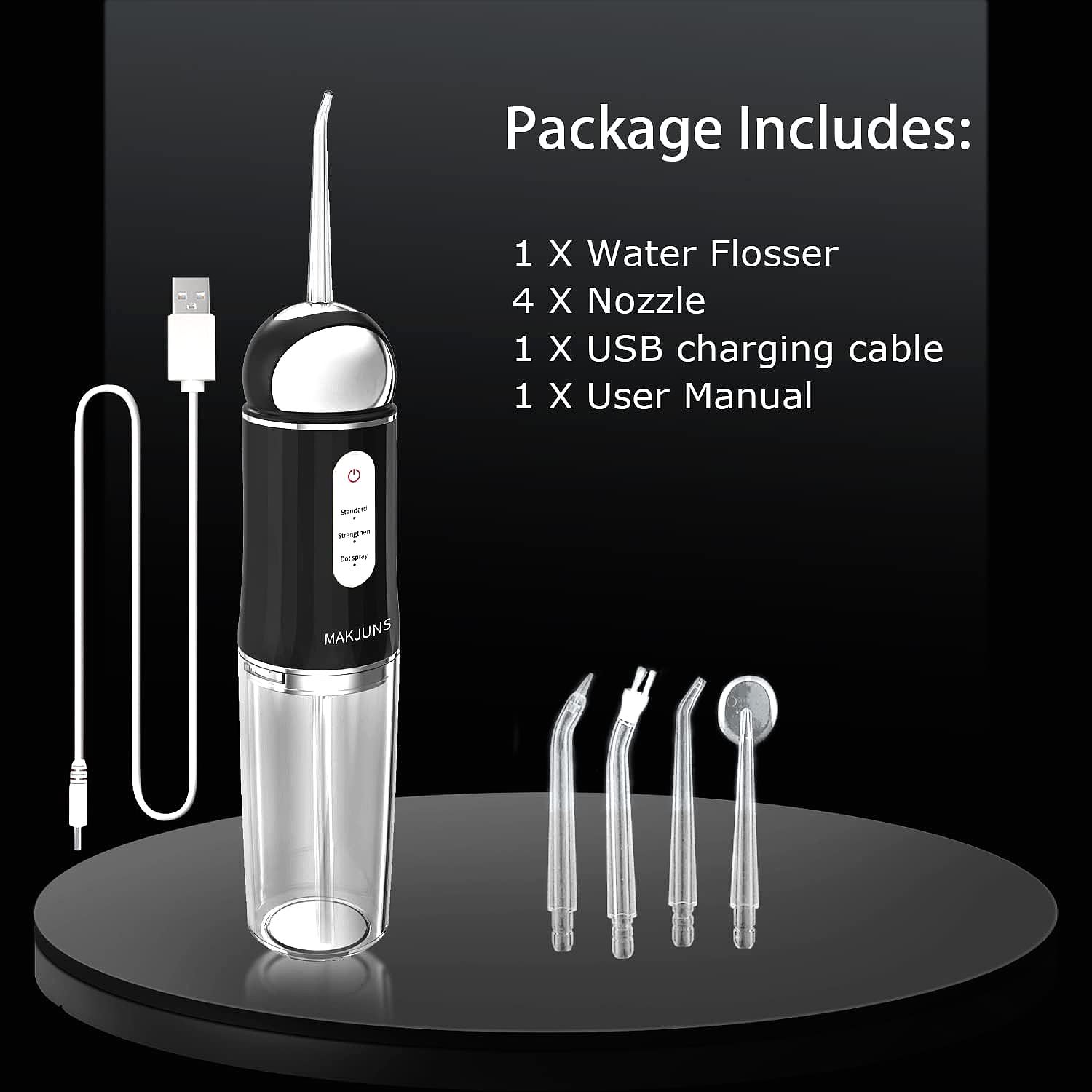
MAKJUNS MK-TTK-BB Water Dental Flosser
In the broader context of public health, the greatest barrier to optimal oral hygiene is rarely a lack of technology; it is a lack of adherence. While sophisticated, multi-hundred-dollar countertop units exist, their bulk, cost, and tethered nature often relegate them to the back of a bathroom cabinet, gathering dust. The most effective medical device is not necessarily the most powerful one, but the one that is actually used daily.
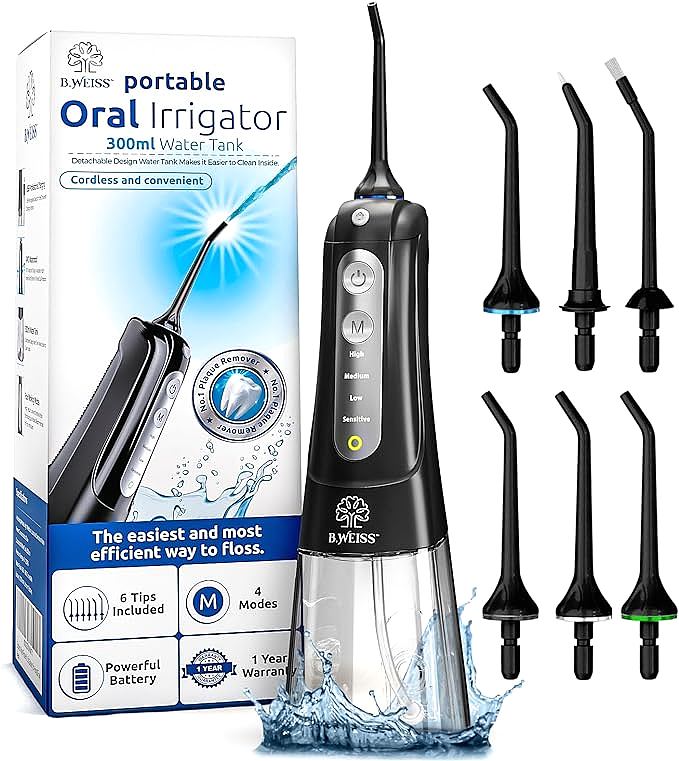
This brings us to the significance of devices like the MAKJUNS MK-TTK-BB Water Dental Flosser. While it occupies the entry-level segment of the market, it represents a critical shift towards the democratization of periodontal care. By condensing essential hydrodynamic principles into a portable, accessible form factor, such devices challenge the notion that advanced gum health requires a significant lifestyle or financial investment.
The Physics of Portable Hydrodynamics
Skeptics often question whether a battery-operated, handheld unit can generate the necessary force to disrupt biofilm compared to a mains-powered counterpart. The answer lies in the efficiency of modern DC motors and pump mechanics.
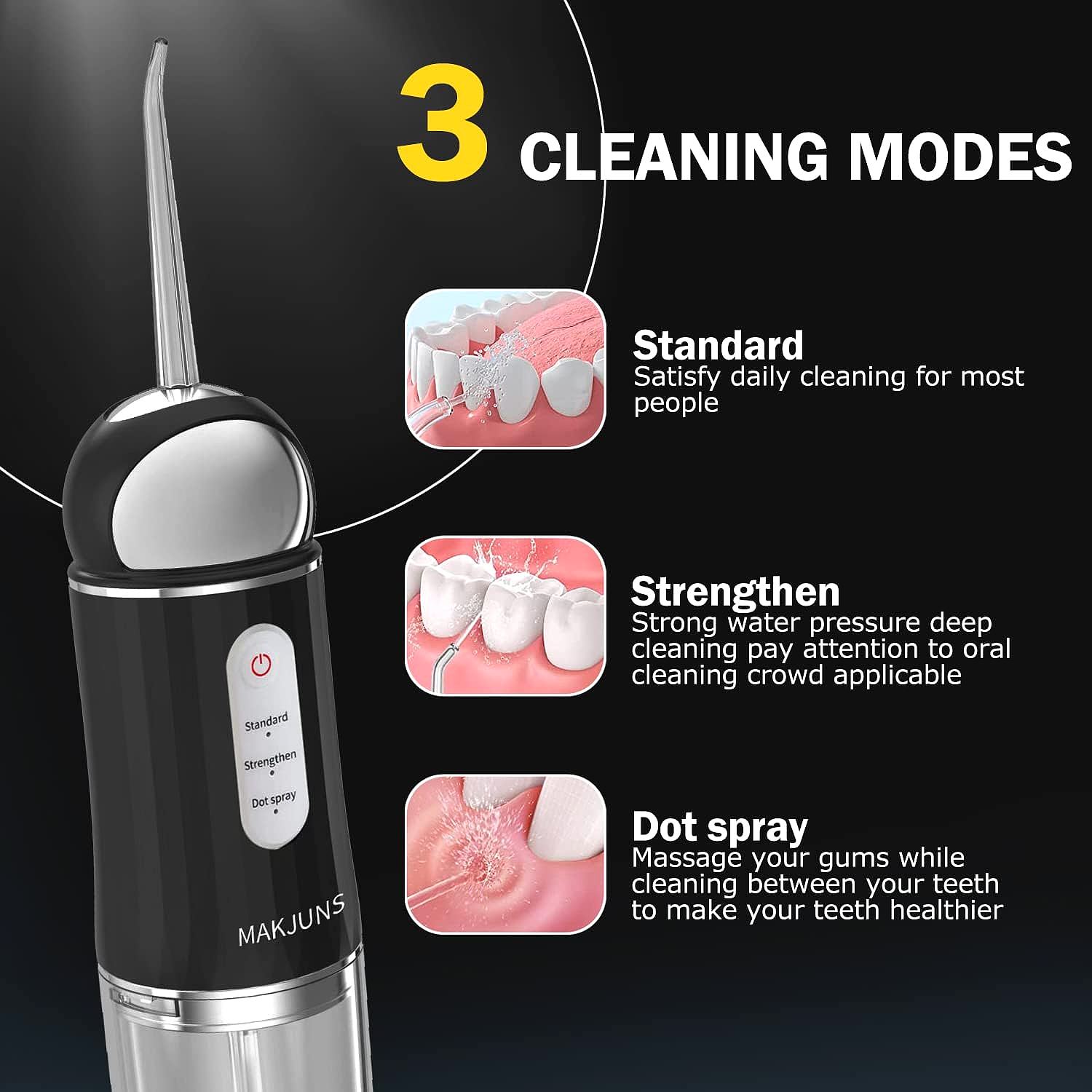
Biofilm disruption relies on shear stress generated by fluid impact. The clinical threshold for this effect does not require industrial-grade pressure; it requires a specific combination of pulsation frequency and focused velocity. The MAKJUNS unit delivers a high-pressure water pulse that creates a compression-decompression cycle on the gum tissue. * Normal Mode: Delivers a continuous high-pressure stream designed to flush out food debris (macro-cleaning) and strip away loose plaque (micro-cleaning) from interdental spaces. * Pulse Mode: Introduces a rhythmic variation in pressure. This is not just for comfort; the varying impact creates a massage effect that stimulates gingival blood flow, promoting nutrient delivery to the gum tissue and aiding in the reduction of inflammation.
The engineering achievement here is packing this hydraulic performance into a chassis that fits in a travel bag. It proves that effective hydrokinetic therapy is a function of design efficiency, not just raw size.
Bridging the "Compliance Gap" through Design
In dentistry, compliance—the patient's willingness to follow a prescribed regimen—is everything. Traditional flossing has a notoriously low compliance rate due to dexterity challenges and discomfort.
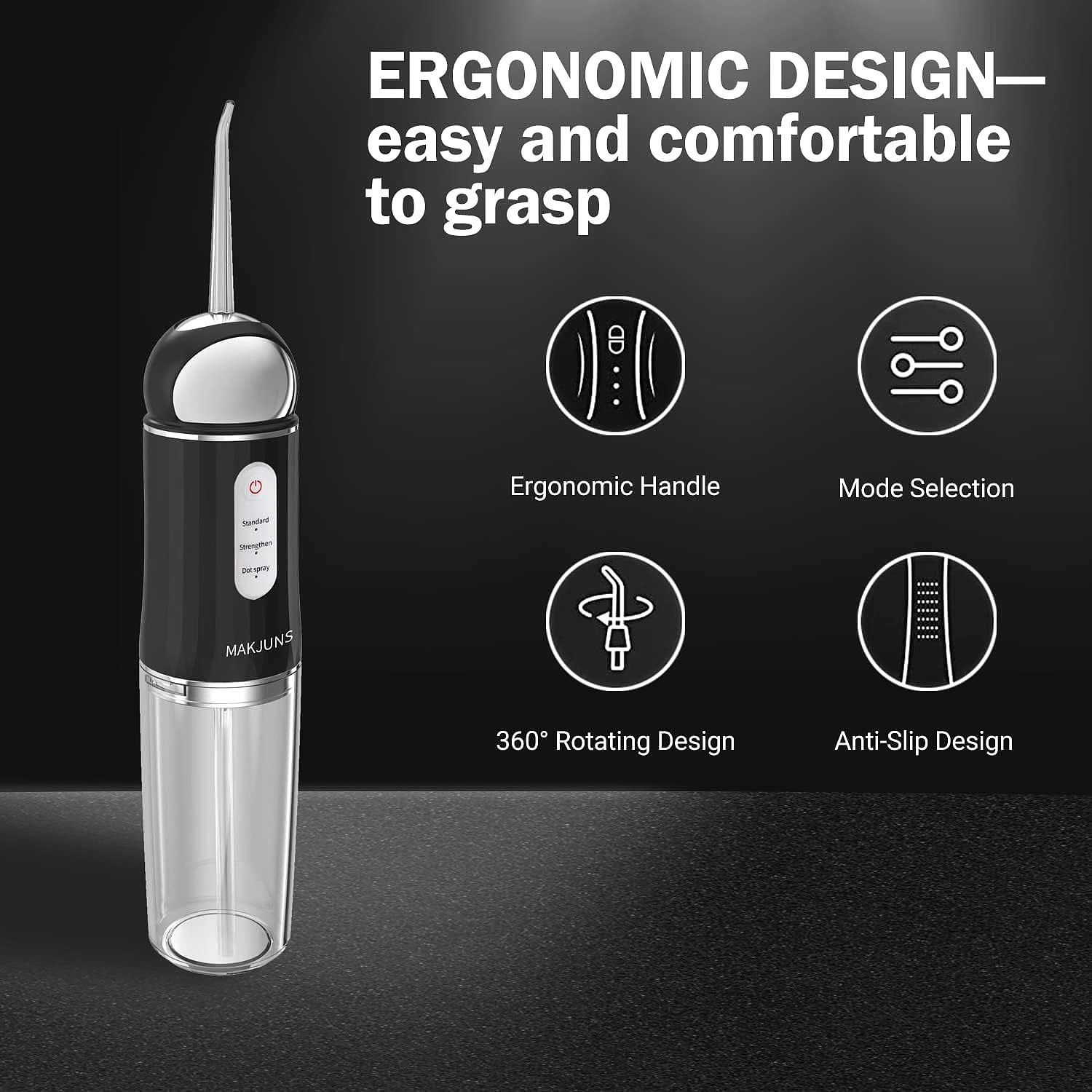
The MAKJUNS flosser addresses this through ergonomic simplification.
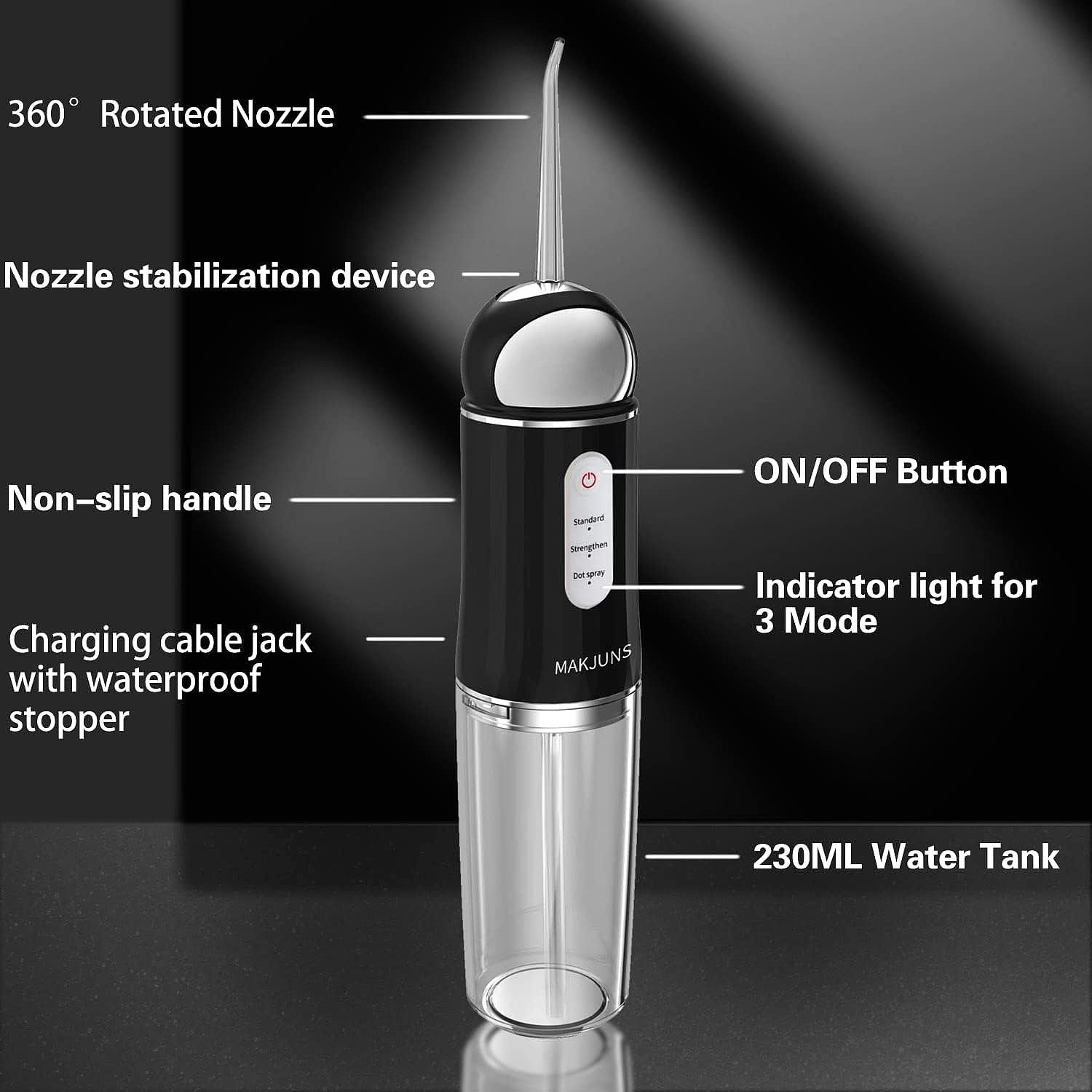
1. 360° Rotating Nozzle: This feature solves the geometric problem of the "lingual aspect"—the back of the teeth near the tongue. Manual brushing and flossing often fail here due to awkward wrist angles. A rotating nozzle allows the user to direct the stream into these blind spots without contorting their hand, significantly lowering the effort required for a full-mouth clean.
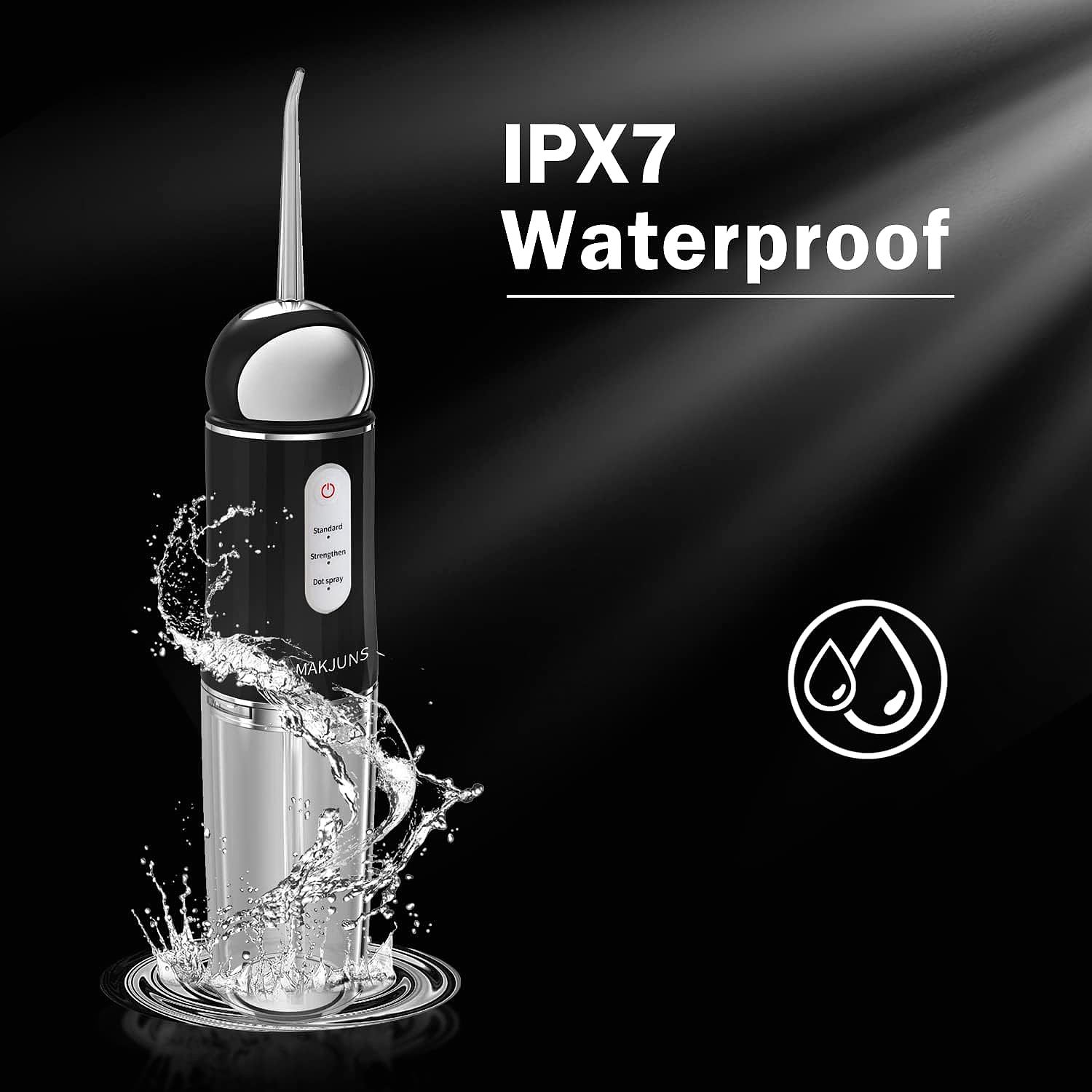
2. Cordless Freedom: By removing the hose and power cord, the "friction" of starting the task is reduced. The user is not tethered to a specific spot near an outlet. This freedom allows for use in the shower (thanks to the IPX7 waterproof rating), which addresses the common complaint of water flossing being "messy." Integrating flossing into the shower routine is a powerful behavioral hack to ensure it happens daily.
The Reality of the "Open Loop" System
Transitioning to a water flosser involves a learning curve, specifically managing the water flow. Unlike a toothbrush, a flosser is an open hydraulic system—water goes in, water must come out. New users often experience the "messy" phase, where water runs down their arm or sprays the mirror.
This is not a design flaw but a technique calibration issue. The correct technique involves leaning over the sink, keeping the lips partially closed to contain splash-back while allowing waste water to drain by gravity.
Furthermore, portable units inherently face the trade-off of reservoir capacity. To keep the device handheld, the water tank is limited (typically enough for 45-60 seconds of cleaning). Users must accept that a refill might be necessary for a thorough deep clean. This is the physical compromise for portability: you trade unlimited water capacity for the ability to take the device anywhere.
Material Maintenance: Preserving the Tool
Accessibility often comes with a need for mindful maintenance. Portable units use lightweight plastics to remain travel-friendly. However, interactions with certain mouthwashes (specifically those containing high alcohol or essential oils) or physical drops can stress these materials over time.
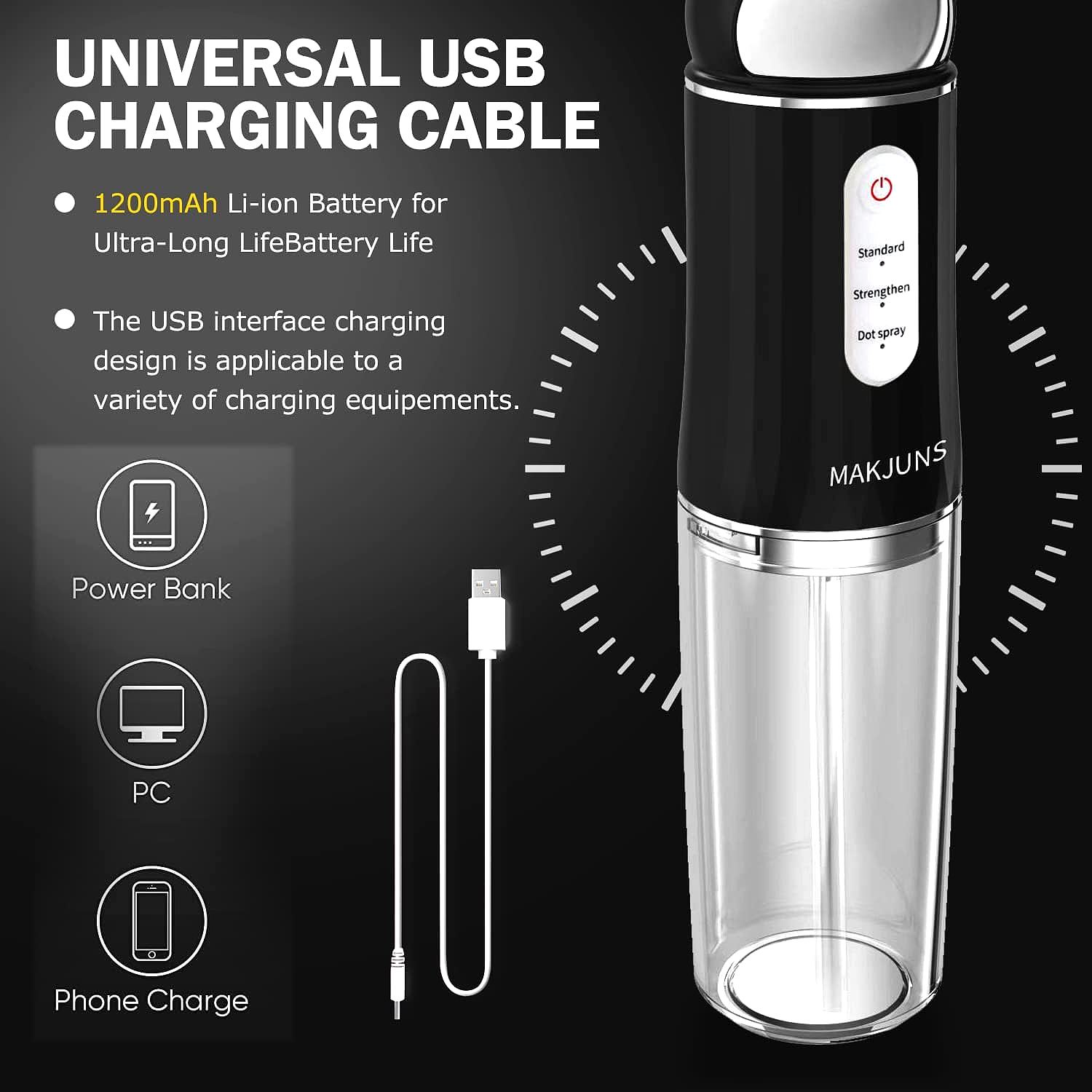
To maximize the lifespan of the reservoir and seals: * Rinse after use: If using additives like mouthwash, flush the system with plain water to prevent residue buildup or chemical degradation of the seals. * Dry the port: Ensure the charging port is dry before connecting power, preserving the integrity of the battery system.
Conclusion: A Vital Step Forward
The MAKJUNS MK-TTK-BB is more than a budget-friendly gadget; it is an instrument of preventative health. By lowering the barriers to entry—both financial and operational—it enables a wider population to access the benefits of hydrokinetic cleaning.
It demonstrates that the battle against periodontal disease doesn't require the most expensive equipment; it requires the right tool, used consistently. In making advanced oral care portable and accessible, such devices play a crucial role in shifting the paradigm from reactive dental treatment to proactive daily wellness.
MAKJUNS MK-TTK-BB Water Dental Flosser
Related Essays
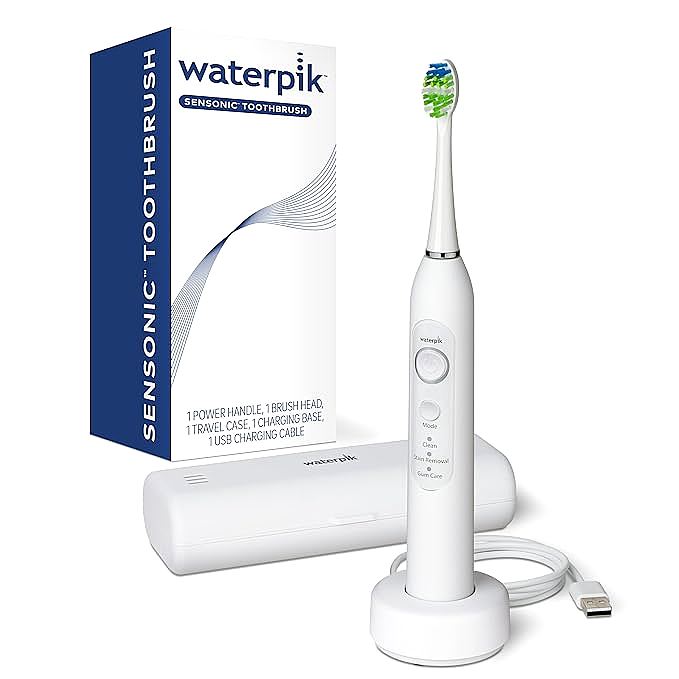
Hydrodynamic Resonance: The Physics of Non-Contact Cleaning and the Fluid Dynamics of Sonic Dentistry

Beyond the Bristles: The Fluid Dynamics of Sonic Oral Hygiene and the Physics of Biofilm Disruption
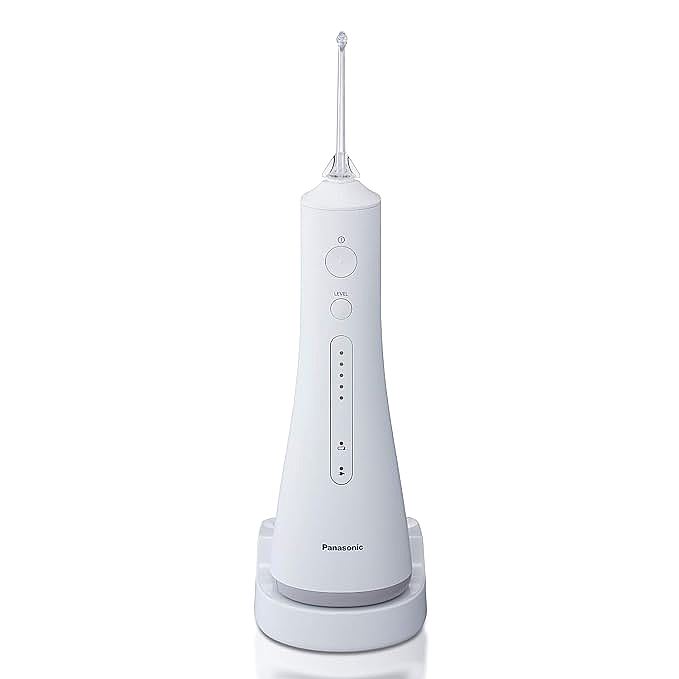
Beyond Mechanical Scrubbing: The Fluid Dynamics of Biofilm Disruption and the Science of Micro-Bubble Cavitation

The Biofilm Breaker: How Sonic Cavitation and Hydrodynamics Redefine Oral Health
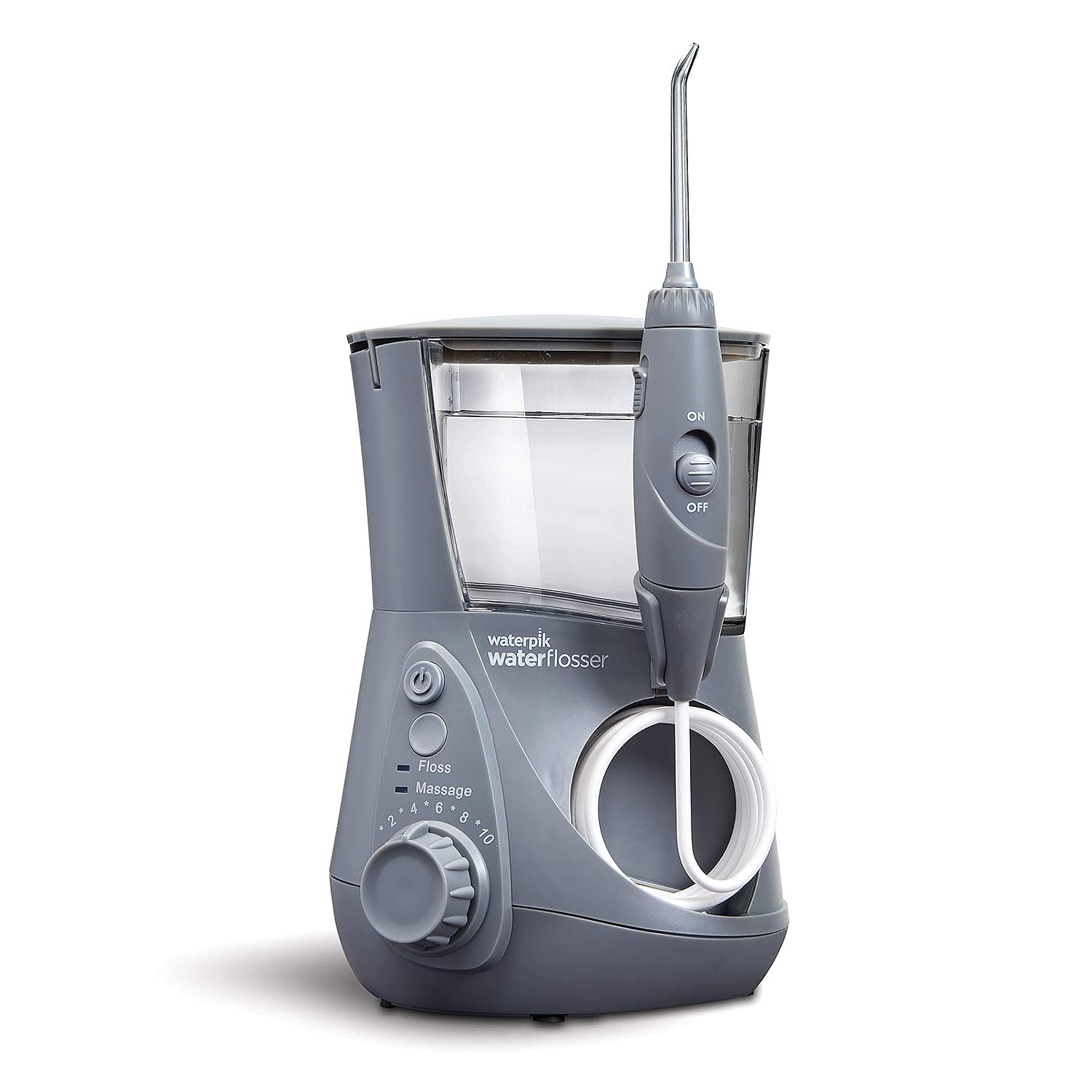
The Clinical Standard: Hydrodynamic Shear Stress and Gingival Microcirculation

Beyond Brushing: The Hydrodynamics of Pulsation and Biofilm Management
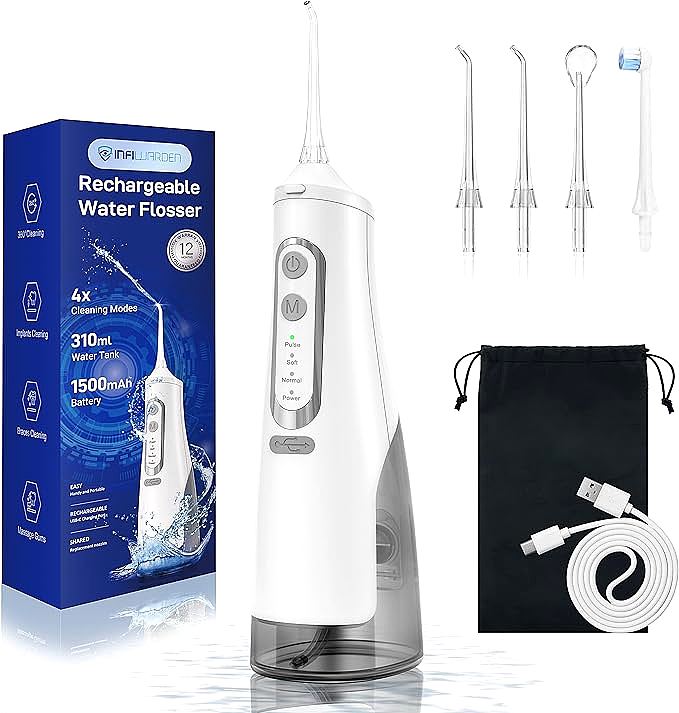
Fluid Dynamics & Oral Health: The Engineering of Cordless Irrigation

The Physics of Oral Hygiene: Understanding Sonic Technology and Biofilm Control
The Power Protocol: Harnessing High-Velocity Hydrodynamics for Deep Oral Cleaning