The Power Protocol: Harnessing High-Velocity Hydrodynamics for Deep Oral Cleaning
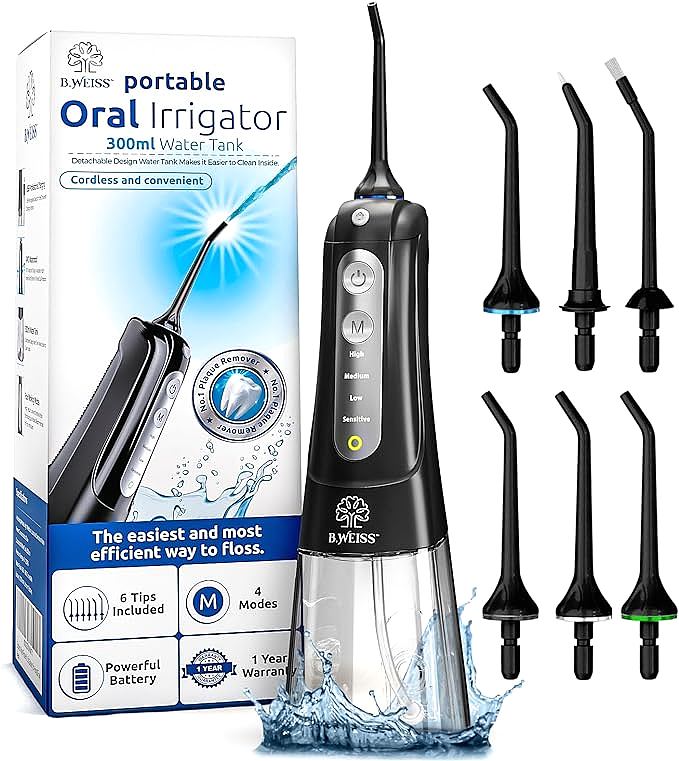
B. WEISS yxy-801 High-Power Water Flosser
In the pursuit of oral hygiene, there is a distinct difference between "rinsing" and "cleaning." Rinsing passively moves loose debris; cleaning actively dislodges adhered structures. The adversary we face—dental plaque—is not merely food residue, but a tenacious biofilm. It is a complex bacterial city anchored to the tooth surface by a sticky polymer matrix. Breaking this bond requires more than just water; it requires force.
This brings us to the realm of high-performance oral irrigators, specifically devices engineered for power, such as the B. WEISS yxy-801 High-Power Water Flosser. Unlike standard models that prioritize gentleness, this device is built on the premise that hydrodynamic shear stress is the key to a truly sterile environment. But power is a double-edged sword; it requires understanding to wield effectively and maintenance to preserve.
The Physics of "High-Power": Breaking the Biofilm Bond
Why does "high power" matter in a water flosser? The answer lies in fluid dynamics. To remove a mature biofilm, the water stream must generate enough shear stress to overcome the adhesive forces of the bacteria.
A gentle stream flows over the biofilm, leaving the colony intact. A high-velocity jet, however, acts like a liquid scalpel.
1. Impact Force: The focused stream strikes the tooth surface, creating a zone of high pressure that fractures the biofilm matrix.
2. Lateral Shearing: As the water deflects off the tooth, it accelerates laterally, peeling the bacteria away from the enamel.
3. Pocket Penetration: High pressure is essential for driving the fluid deep into periodontal pockets (up to 6mm), flushing out anaerobic bacteria that thrive in these oxygen-deprived zones.
The B. WEISS yxy-801 is designed to deliver this kinetic energy. Users often describe the clean as "addictive," a sensation that stems from the tactile feedback of debris being forcibly ejected from interdental spaces—a confirmation of the physics at work.
Controlled Aggression: The Role of Modes
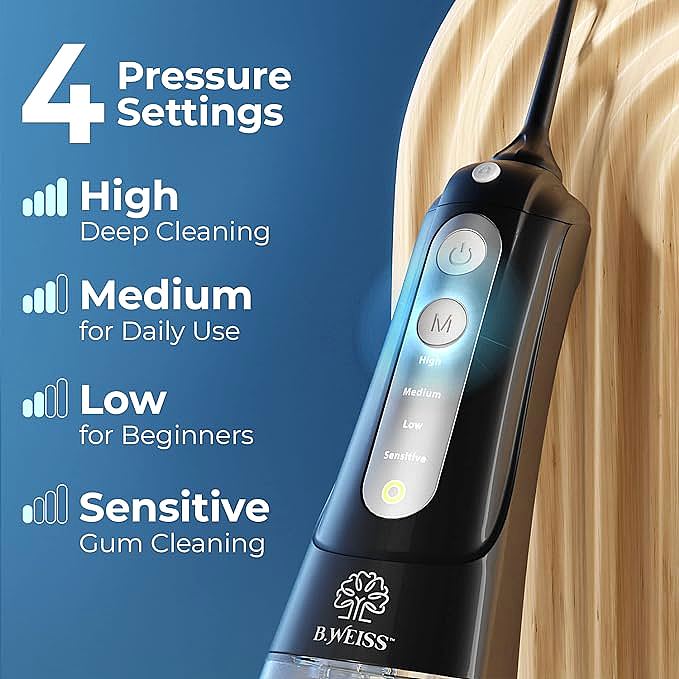
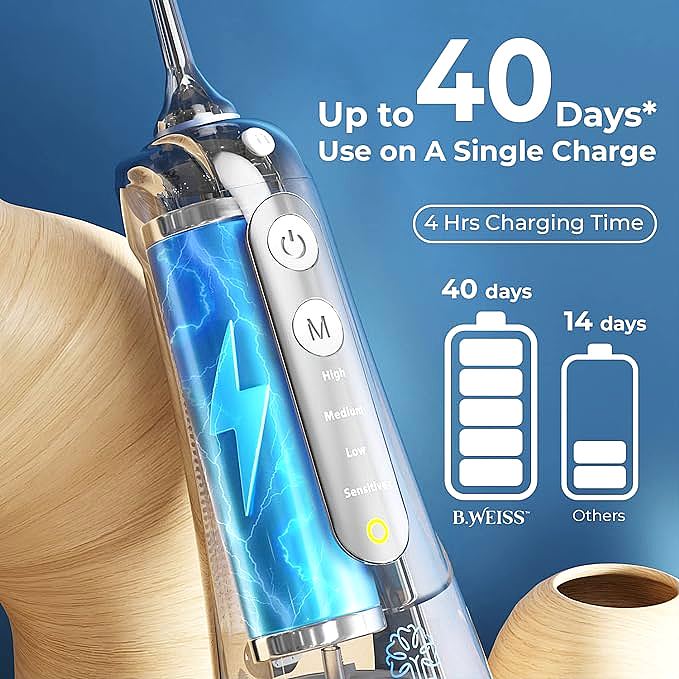
While raw power is necessary for cleaning, tissue tolerance varies. The device's four distinct modes act as a gearbox for this hydraulic engine, allowing users to modulate the force based on their oral topography.
- The "Blast" (High Mode): This is the heavy artillery, designed for dislodging stubborn food (like popcorn hulls or fibrous meat) and stripping plaque from healthy, keratinized gum tissue.
- The "Soft" Touch: Essential for new users or those with inflammation. It allows for "gingival training"—gradually acclimating the gums to the stimulation of water pressure without causing trauma.
- The Pulse: This mode introduces a rhythmic percussion. Beyond cleaning, it stimulates microcirculation in the gingival tissue, promoting blood flow and faster healing of minor irritations.
Systemic Hygiene: Beyond the Teeth
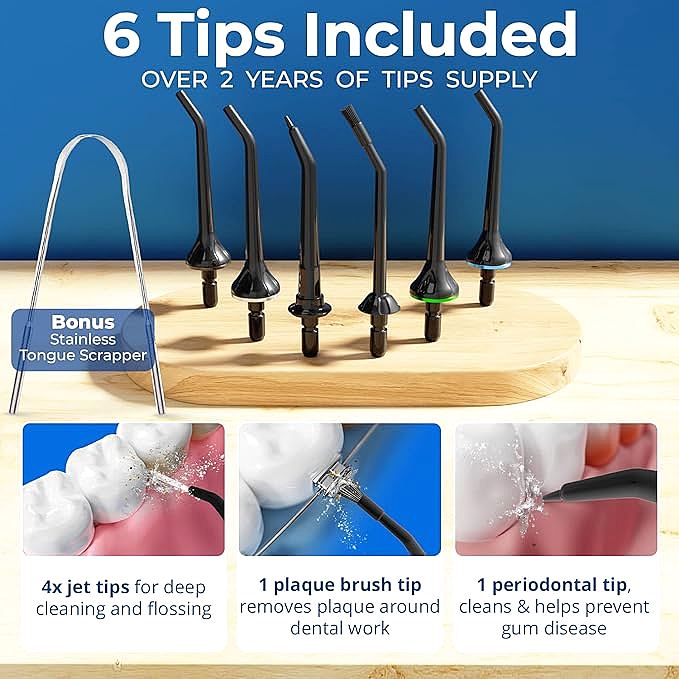
Oral health is not limited to teeth; it encompasses the entire oral cavity. The inclusion of 6 replacement tips, including specialized tools like a Tongue Scraper, acknowledges this systemic view.
The tongue is a primary reservoir for bacteria, particularly those responsible for halitosis (bad breath). Using a high-power irrigation device to clean the tongue surface is vastly more effective than static scraping alone, as the water jet flushes out the deep fissures of the tongue's papillae where bacteria hide.
The Engineering of Longevity: A Maintenance Protocol
High-pressure hydraulic devices face a unique engineering challenge: water ingress. Generating high PSI (pounds per square inch) creates internal stress on seals and pumps. A common failure mode in portable flossers is water seeping into the motor housing, leading to corrosion.
To ensure the B. WEISS yxy-801 remains a long-term ally, users should adopt a "preventative maintenance" mindset, treating it like a precision instrument rather than a disposable toothbrush.
The "Dry Dock" Protocol:
1. Purge the Line: After every use, run the device for a few seconds until no water comes out. This clears the internal pump of residual water.
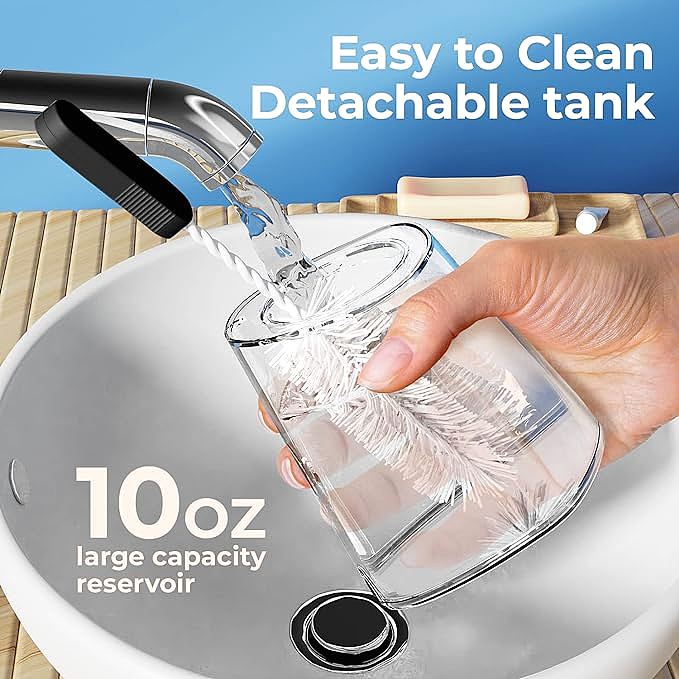
2. Detach and Dry: Don't just leave it on the counter. Detach the water reservoir and the nozzle. Allow all parts to air dry separately. This prevents mold growth and reduces the risk of moisture wicking into the internal electronics.
3. Seal Integrity: Keep the charging port cover securely closed when in use. The IPX7 waterproof rating is effective, but relies on these barriers being intact.
By following this simple protocol, users can significantly extend the operational life of the device, mitigating the "stopped working" issues often reported with high-performance electronics in humid environments.
Conclusion: Power with Purpose
The B. WEISS yxy-801 represents a shift towards "power hygiene." It validates the idea that to truly clean the complex architecture of the mouth, we need more than passive rinsing—we need active, high-velocity disruption.
By combining high-pressure hydrodynamics with a portable, cordless form factor, it puts professional-grade cleaning power in the palm of your hand. However, owning such a device comes with the responsibility of understanding its power and maintaining its mechanics. When used with knowledge and care, it ceases to be a mere gadget and becomes a fundamental pillar of lifelong oral health.
B. WEISS yxy-801 High-Power Water Flosser
Related Essays

The Physics of Oral Hygiene: Understanding Sonic Technology and Biofilm Control
Hydrodynamic Resonance: The Physics of Non-Contact Cleaning and the Fluid Dynamics of Sonic Dentistry

Beyond the Bristles: The Fluid Dynamics of Sonic Oral Hygiene and the Physics of Biofilm Disruption
Beyond Mechanical Scrubbing: The Fluid Dynamics of Biofilm Disruption and the Science of Micro-Bubble Cavitation

The Biofilm Breaker: How Sonic Cavitation and Hydrodynamics Redefine Oral Health
The Clinical Standard: Hydrodynamic Shear Stress and Gingival Microcirculation
Democratizing Dental Health: The Science of Accessibility in Portable Water Flossing

Beyond Brushing: The Hydrodynamics of Pulsation and Biofilm Management
Fluid Dynamics & Oral Health: The Engineering of Cordless Irrigation