Hydrodynamics in Your Hand: The Science of Pulsed Water and Periodontal Health
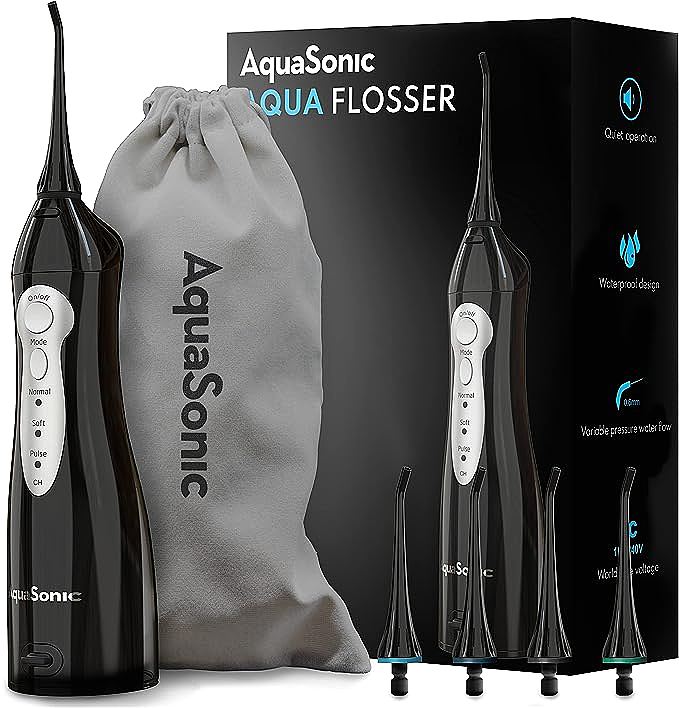
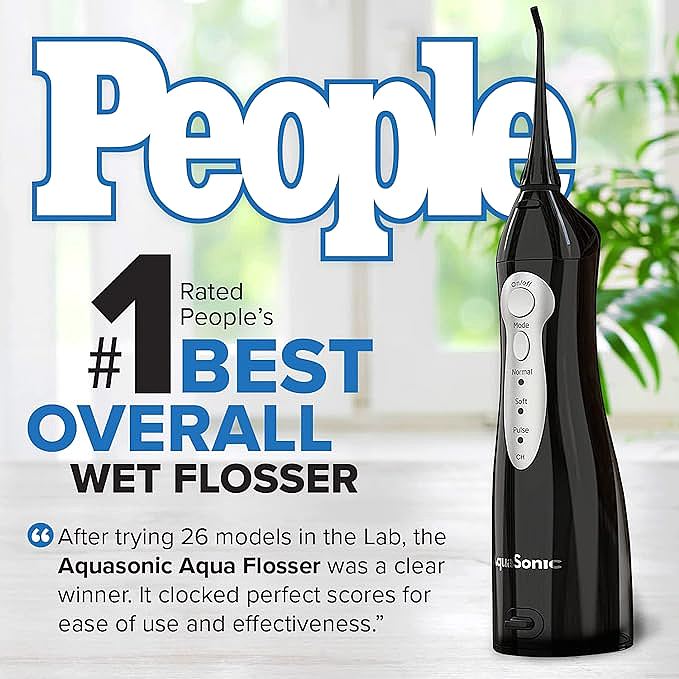
Aquasonic Aqua Flosser
In the landscape of personal hygiene, the interdental space—that tight, hidden valley between two teeth—remains one of the most contested territories. It is here that the limitations of traditional bristles become apparent. A toothbrush, no matter how advanced, operates on the principle of friction: it needs physical contact to scrub away debris. But the anatomy of the mouth, with its complex curves and tight contact points, often denies access to these mechanical bristles. This creates a sanctuary for biofilm, the bacterial matrix responsible for the majority of dental pathologies.
To effectively breach this defense, we must look beyond friction and turn to physics. Specifically, hydrodynamics. The evolution of oral care has brought us devices like the Aquasonic Aqua Flosser, which do not rely on solid bristles but on the kinetic energy of water itself. This shift from solid to liquid cleaning agents represents a fundamental change in how we manage oral pathogens.
The Physics of Disruption: Why Pulsation Matters
At first glance, a water flosser appears simply to spray water. However, the efficacy of a device like the Aqua Flosser lies not in the water volume, but in the pulsation. A continuous stream of water might rinse away loose food, but it often lacks the force required to break the adhesive bonds of a mature biofilm.
This is where the engineering of pulsatile flow becomes critical. By interrupting the water stream thousands of times per minute, the device generates distinct phases of compression and decompression. When these rapid-fire water packets strike the tooth surface, they create a phenomenon known as hydrodynamic shear stress.
Imagine a pressure washer cleaning a driveway compared to a garden hose. The pulsating impact creates a lateral force that shears the sticky plaque layer away from the enamel. This non-contact cleaning mechanism allows the fluid to penetrate deep into the gingival sulcus (the pocket between the tooth and gum) and flush out inflammatory agents that string floss simply pushes around.
Modes as Clinical Tools: Adapting to Tissue Tolerance
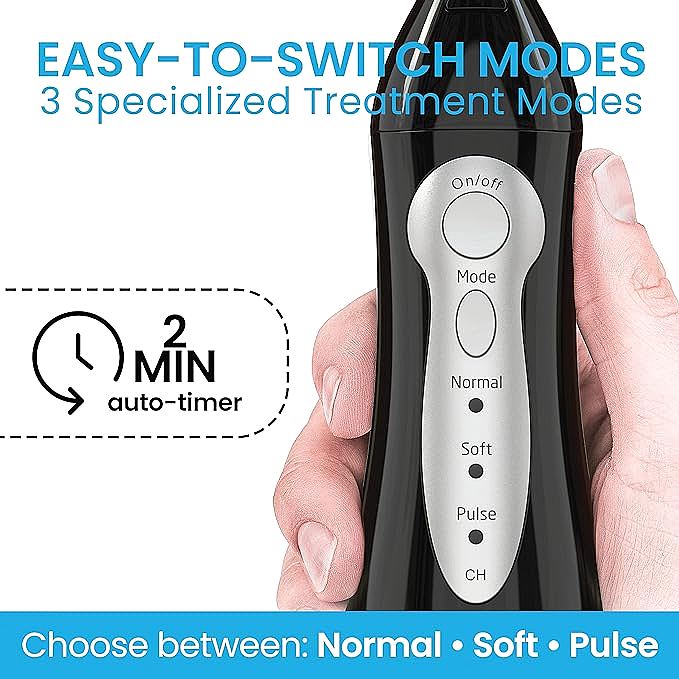
One of the challenges in oral irrigation is that gum tissue varies significantly in sensitivity and health status. A "one-pressure-fits-all" approach is clinically unsound. The inclusion of distinct modes—Normal, Soft, and Pulse—on the Aqua Flosser transforms it from a simple gadget into an adaptable therapeutic instrument.
- The "Normal" Mode: This delivers maximum hydraulic pressure. It is designed for the mechanical removal of debris and disruption of established plaque in healthy gums. It effectively functions as a high-velocity debris ejector.
- The "Soft" Mode: For users with compromised gum health (gingivitis) or heightened sensitivity, reducing the shear force is essential. This mode lowers the PSI (pounds per square inch) to a level that cleans without inducing trauma, allowing for a gradual acclimation period.
- The "Pulse" Mode: This setting shifts the focus from cleaning to therapy. By modulating the rhythm of the water jet, it provides a percussive massage to the gingival tissue. This physical stimulation is hypothesized to enhance microcirculation—increasing blood flow to the gums, which brings oxygen and nutrients necessary for tissue repair and resilience.
The Orthodontic Advantage: Turbulence vs. Architecture
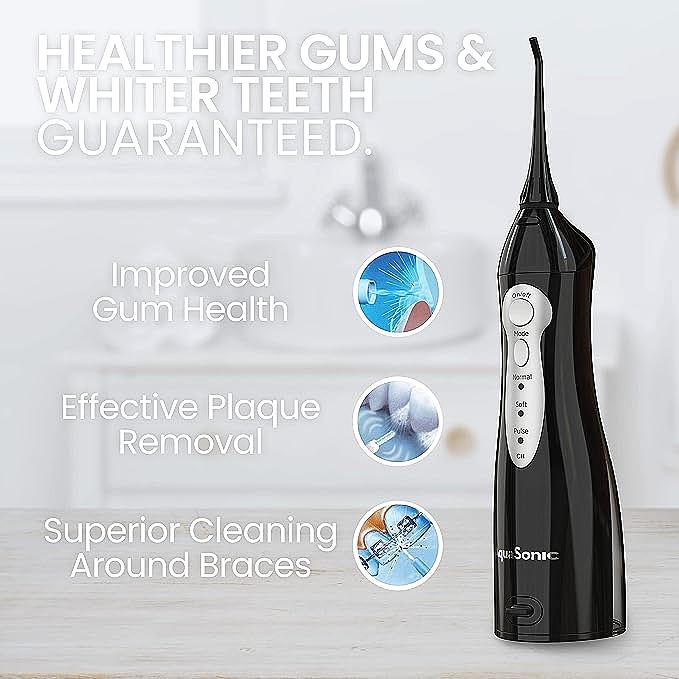
For individuals undergoing orthodontic treatment, the mouth becomes a labyrinth of metal and wire. Traditional cleaning methods often fail here because brackets create "shadow zones" that bristles and floss cannot reach.
A focused water jet, however, behaves differently. When the stream hits a bracket, it doesn't stop; it creates turbulence. This chaotic fluid motion swirls around the hardware, flushing out food particles trapped behind wires and around ligatures. The 360-degree rotary tips of the Aqua Flosser allow the user to direct this vector of turbulence from any angle, ensuring that the lingual (tongue-side) and buccal (cheek-side) surfaces of the braces are equally purged of debris.
Engineering Portability: The Tank Size Trade-off
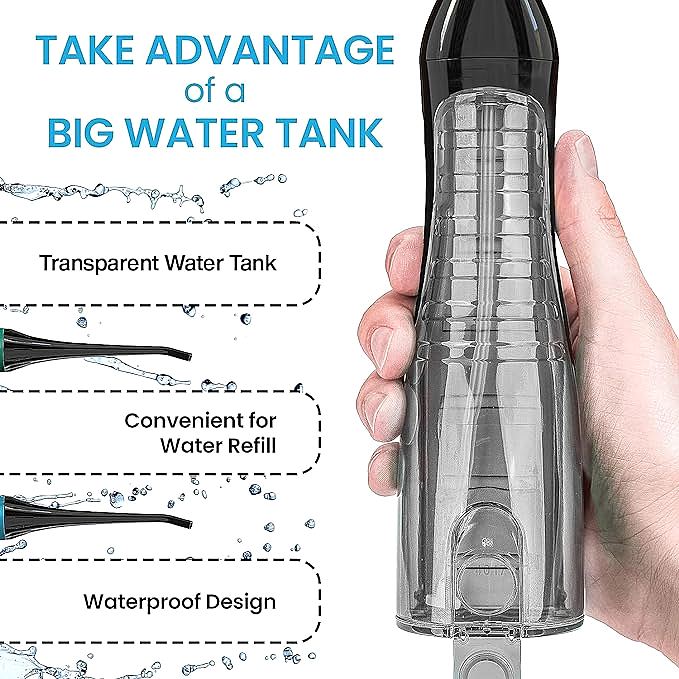
In the design of portable oral irrigators, engineers face an immutable constraint: gravity. A large water tank allows for longer use but makes the device heavy and unwieldy. A small tank is ergonomic but requires refilling.
The Aquasonic Aqua Flosser opts for a balanced, handheld form factor with a reservoir size optimized for maneuverability. While some users may find the need to refill the tank during a session a minor interruption, this is a deliberate design choice to maintain the device's center of gravity. A lighter device encourages better technique—users are more likely to rotate the unit to reach difficult back molars if their hand isn't fighting the weight of a liter of water. The inclusion of a Li-ion battery further supports this philosophy of unencumbered movement, removing the tether of a power cord and allowing the device to be used in the shower—a habit-stacking strategy that significantly improves daily compliance.
Conclusion: A Liquid Solution to a Biological Problem
The shift towards water flossing is not merely a trend; it is an acknowledgement that mechanical scraping has its limits. By harnessing the power of hydrodynamics, tools like the Aquasonic Aqua Flosser offer a non-invasive, scientifically grounded method to manage the oral microbiome. Whether it is through the shear force that disrupts biofilm or the circulatory boost that aids gum health, the application of pulsed water represents a sophisticated evolution in our daily battle for oral wellness.
Aquasonic Aqua Flosser
Related Essays
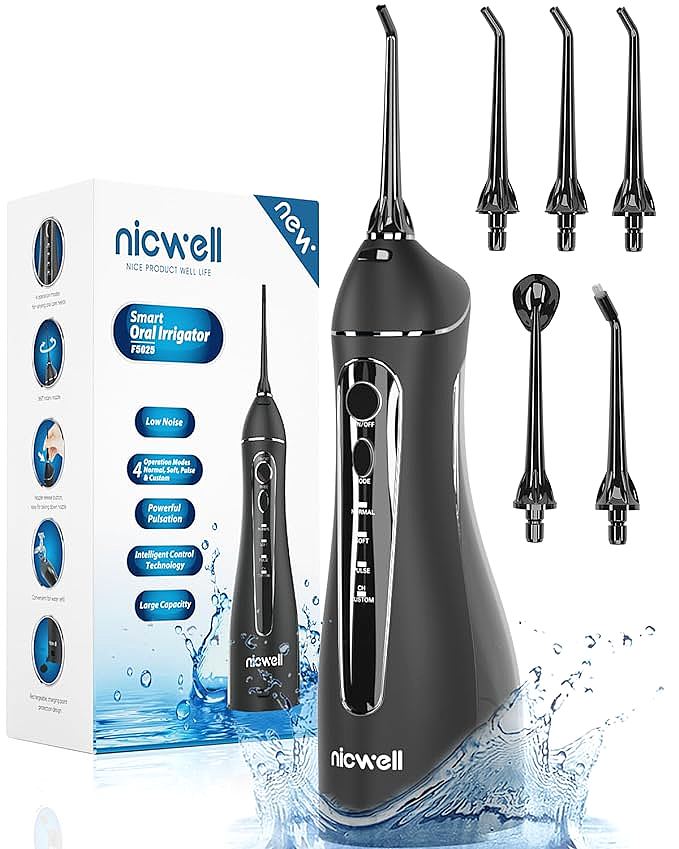
Fluid Dynamics in Orthodontics: Mastering Non-Contact Cleaning with Precision Irrigation

Hydrodynamic Hygiene: Mastering Oral Biofilm Control with Portable Precision

Beyond the Bristles: The Fluid Dynamics of Sonic Oral Hygiene and the Physics of Biofilm Disruption
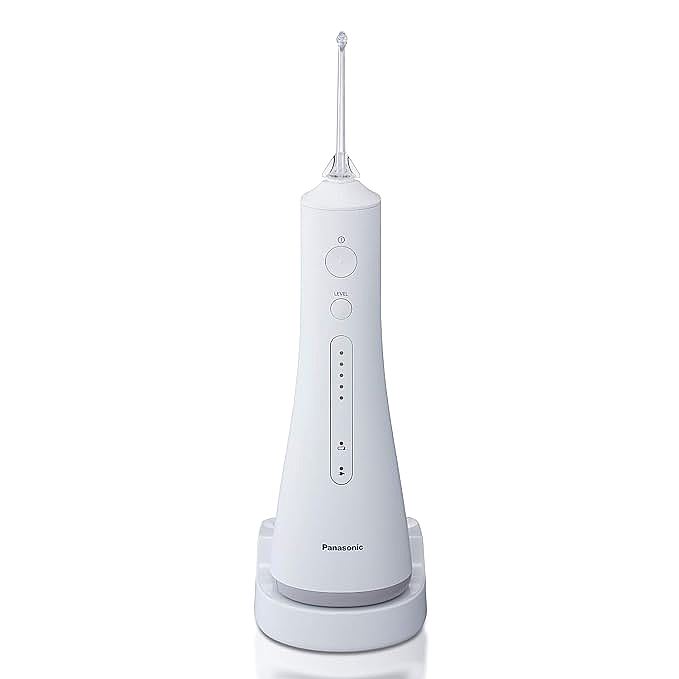
Beyond Mechanical Scrubbing: The Fluid Dynamics of Biofilm Disruption and the Science of Micro-Bubble Cavitation
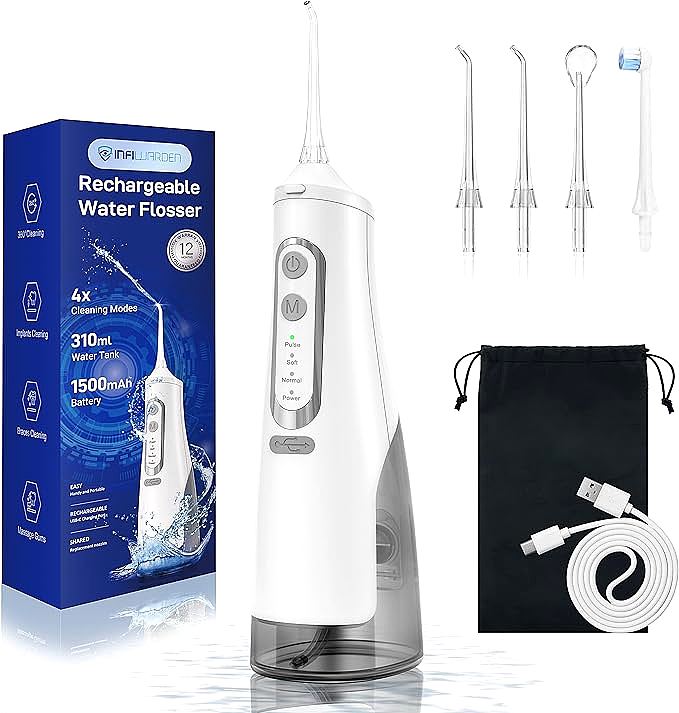
Fluid Dynamics & Oral Health: The Engineering of Cordless Irrigation
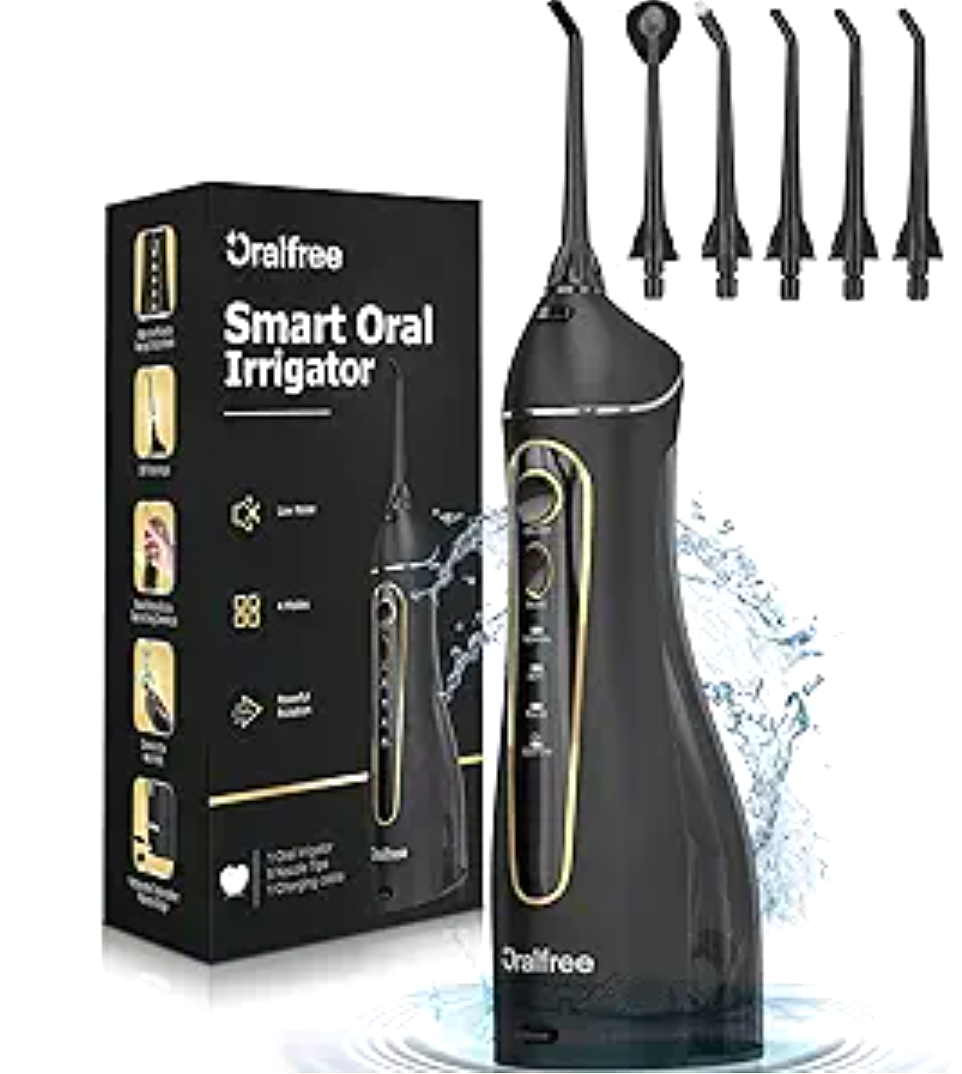
Fluid Dynamics Personalized: Mastering Home Oral Hygiene with Adaptive Water Flossing Technology
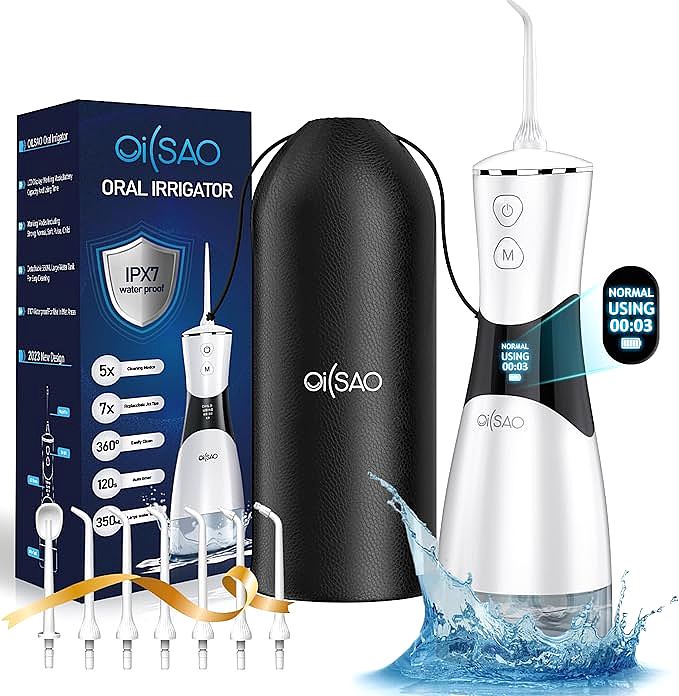
Hydro-Kinetic Precision: Mastering Oral Biofilm Control with Visualized Pressure
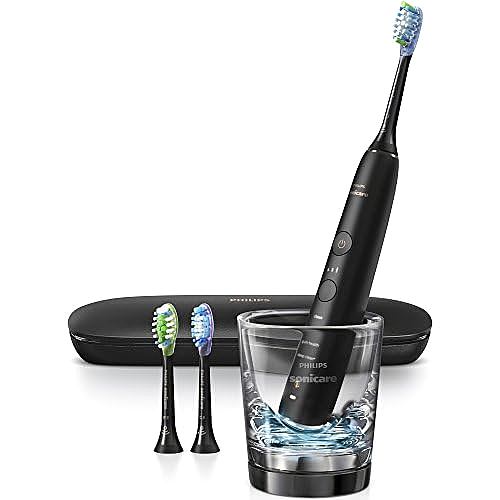
The Cybernetics of a Smile: Fluid Dynamics and Sensor-Guided Oral Health

The Convergence of Clean: How Hydrodynamic Synergy is Rewriting Oral Hygiene Norms
