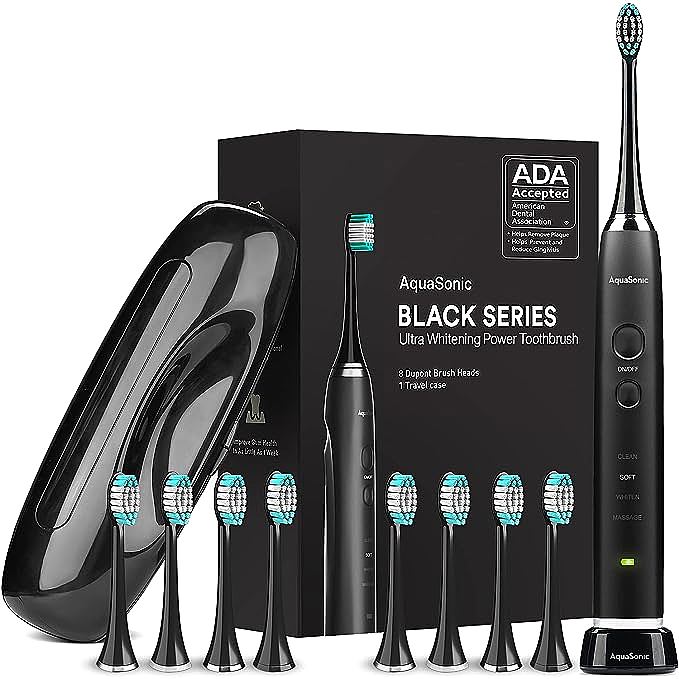
Beyond the Bristles: The Physics of Sonic Cleaning and Hygiene Compliance

OasiSmile Electric Toothbrush
In the realm of personal hygiene, few tools have undergone as radical a transformation as the toothbrush. We have graduated from the static friction of manual scrubbing to the dynamic energy of sonic engineering. While the market is flooded with devices promising a brighter smile, the true differentiator lies in the physics of how these devices interact with the oral environment. It is no longer just about bristles touching teeth; it is about harnessing energy to clean where bristles cannot reach.
Modern devices, such as the OasiSmile Sonic Toothbrush, serve as pertinent examples of this technological leap, boasting specifications like 50,000 vibrations per minute (VPM). But to truly understand the value of such innovation, we must deconstruct the science of sonic cleaning and the psychology of user compliance.
The Mechanics of 50,000 VPM: Fluid Dynamics in Action
The primary distinction between a standard electric toothbrush and a high-performance sonic instrument lies in the frequency of movement. Traditional electric brushes often rely on mechanical oscillation—physically wiping the tooth surface. Sonic technology, particularly when operating at frequencies as high as 50,000 VPM, introduces a secondary cleaning mechanism known as non-contact cleaning.
When a brush head vibrates at this intensity, it does more than just scrub. It agitates the mixture of fluids in the mouth—saliva, water, and toothpaste—creating dynamic fluid activity. * Shear Forces: The rapid vibration generates intense shear forces in the fluid. These forces can disrupt the sticky biofilm (plaque) matrix even slightly beyond the tips of the bristles (typically 2-3 millimeters). * Micro-Bubbles: This high-frequency agitation can lead to a mild form of cavitation, creating millions of microscopic bubbles that implode with energy, helping to dislodge debris from deep interdental spaces and the gingival sulcus (the pocket between the tooth and gum).
By utilizing a device engineered for this specific frequency, users are essentially deploying a fluid generator that flushes out bacteria from the complex topography of the oral cavity, offering a level of hygiene that manual friction simply cannot replicate.
Engineering for Anatomy: The Logic of Bristle Geometry
Power is futile without precision. The efficacy of the energy transfer depends heavily on the interface: the brush head. The "W-shaped" bristle design found in advanced models is not an aesthetic choice but an ergonomic necessity.
Human teeth are not flat; they are a series of convex and concave surfaces. A flat brush head often bridges the gaps between teeth, leaving the interproximal areas—the primary sites for decay—untouched. DuPont bristles, cut into a contoured W-shape, are designed to embrace the tooth's curvature. This increases the surface area of contact, ensuring that the sonic energy is transmitted directly to the enamel and gum line rather than being dissipated in the open air.
The Psychology of Compliance: Why Battery Life Matters
In the medical world, the most effective treatment is the one the patient actually adheres to. This principle, known as compliance, is often overlooked in consumer electronics design. A toothbrush that is dead when you need it creates friction in your routine, leading to skipped sessions or a reversion to manual brushing.
This is where specifications like a 180-day battery life transition from a convenience feature to a health feature. By utilizing high-density Lithium Polymer cells and efficient motor management, devices like the OasiSmile remove the "charging anxiety" from the equation. * The Consistency Factor: A device that only needs charging twice a year significantly increases the likelihood of consistent use. It supports the user's routine whether they are at home or traveling, ensuring that the high-standard of care is uninterrupted. * Waterproof Integrity (IPX7): Furthermore, robust waterproofing encourages use in environments that fit the user's lifestyle, such as the shower, further lowering the barrier to establishing a consistent habit.
Personalized Therapy: Decoding Cleaning Modes
Oral health is not static; it fluctuates based on diet, stress, and age. Therefore, a "one-speed-fits-all" approach is scientifically flawed. The inclusion of distinct modes—such as Whitening, Cleaning, Sensitivity, Polishing, and Massage—allows the user to tailor the device's physical output to their biological needs.
- Periodontal Stimulation: The "Massage" mode, for instance, typically modulates the frequency to provide a gentle stimulation to the gum tissue. This can promote blood circulation, which is vital for gingival health and resilience against inflammation.
- Abrasive Control: Conversely, a "Sensitive" mode reduces the amplitude, ensuring that users with recession or enamel erosion can maintain hygiene without causing further trauma.
Conclusion: A Tool for Systemic Health
The evolution from the twig to the sonic wand represents a fundamental shift in how we approach systemic health. Tools like the OasiSmile Sonic Toothbrush are not merely gadgets; they are sophisticated instruments of preventative care. By combining the physics of fluid dynamics with the psychology of user compliance, they offer a pathway to a level of oral cleanliness that was once the exclusive domain of professional hygienists. Understanding why these features exist empowers us to use them not just effectively, but consistently.
OasiSmile Electric Toothbrush
Related Essays

The Mechanics of Delicacy: Low-Pressure Hydrodynamics in Tonsillar and Periodontal Care

Beyond the Bristles: The Fluid Dynamics of Sonic Oral Hygiene and the Physics of Biofilm Disruption
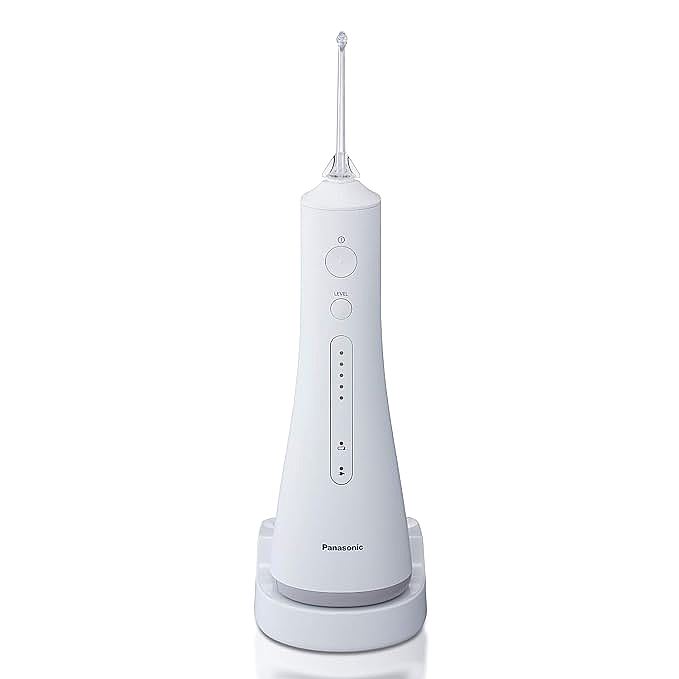
Beyond Mechanical Scrubbing: The Fluid Dynamics of Biofilm Disruption and the Science of Micro-Bubble Cavitation

The Physics of Persistence: Battery Life and Reservoir Dynamics in Portable Flossing
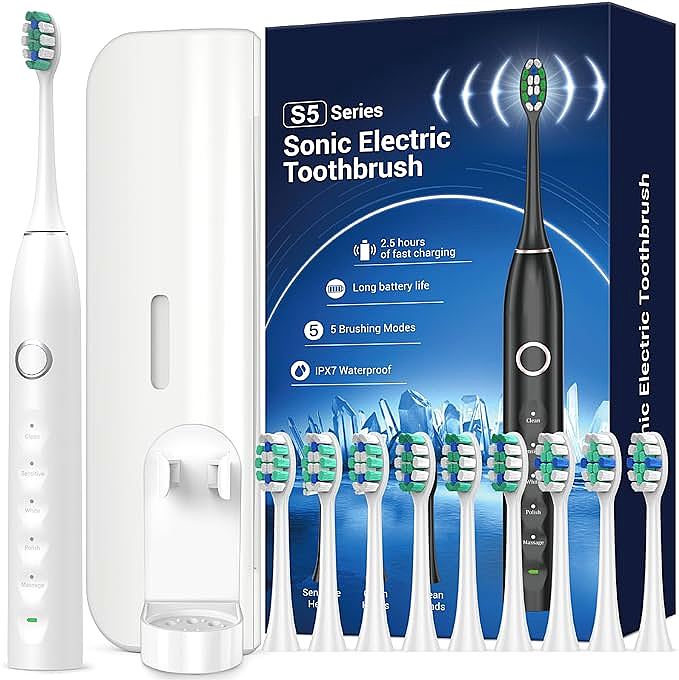
The Velocity of Clean: Deciphering 40,000 VPM and the Economics of Long-Term Oral Care
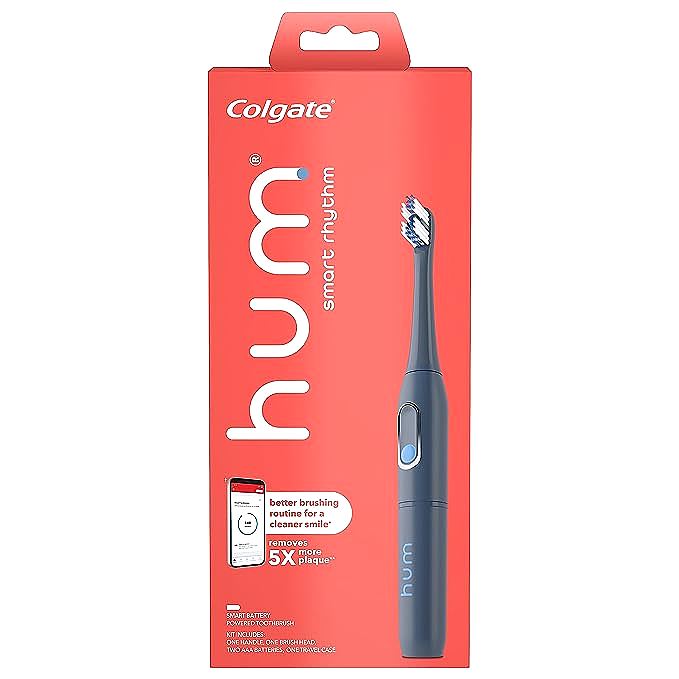
The Feedback Loop: Engineering Better Hygiene Habits with Sonic Precision and Data

The Geometry of Hygiene: Engineering the Perfect 45-Degree Clean and Sonic Polishing at Home
Beyond RPM: Decoding the Mechanics of High-Frequency Sonic Oral Care
The Sonic Shift: Understanding 42,000 VPM and the Sensory Adaptation to High-Frequency Hygiene