The Physics of a Better Smile: Democratizing Sonic Cleaning Technology
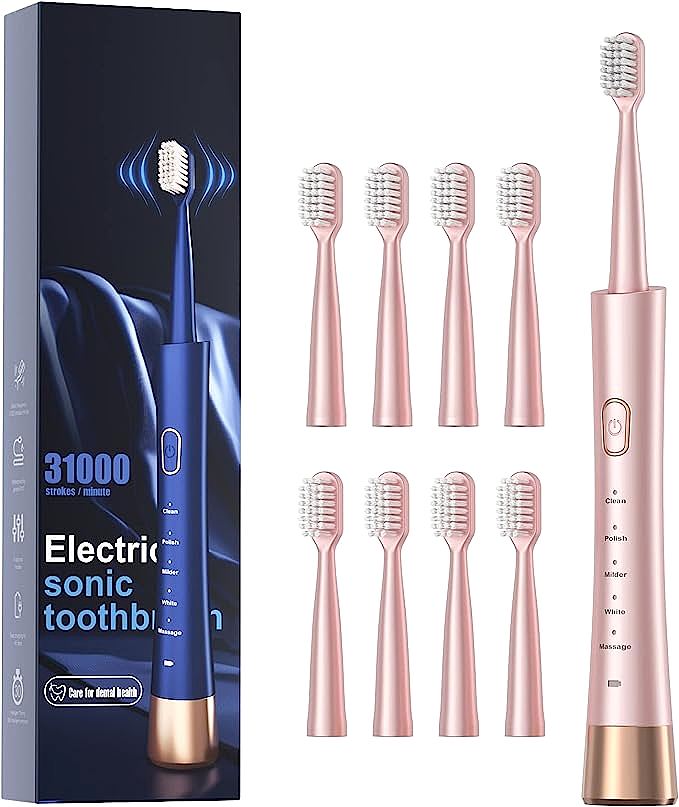
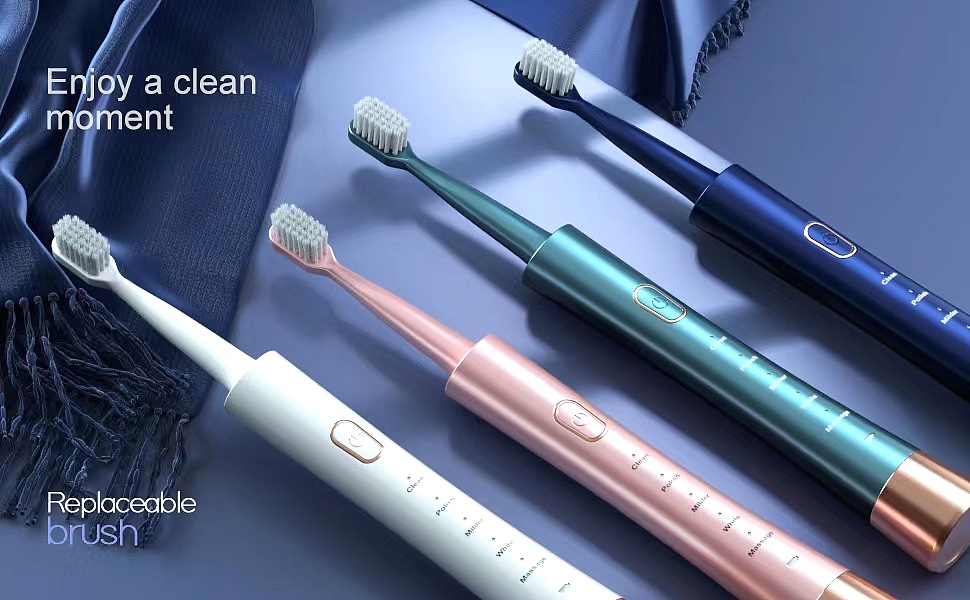
AJELU JP-ET-PINK Sonic Electric Toothbrush for Adults
For decades, advanced oral care technology was a luxury, gated behind high price tags and complex marketing. However, the core mechanism that drives superior cleaning—sonic vibration—is based on physics, not prestige. As manufacturing processes evolve, we are witnessing a democratization of dental hygiene, where high-performance tools become accessible to the wider public.
The shift from manual scrubbing to sonic-powered cleaning represents a fundamental change in how we interact with our own biology. It is no longer about how hard you can scrub, but how smartly you can disrupt the biofilm that threatens your enamel. Using the AJELU JP-ET-PINK Sonic Electric Toothbrush as a functional example, we can deconstruct the science of modern oral care and understand why upgrading your toolset is an investment in systemic health.
The Mechanics of 31,000 Vibrations: Beyond the Buzz
When we talk about "sonic" toothbrushes, we are referring to the frequency of movement. The AJELU unit operates at 31,000 vibrations per minute (VPM). To the uninitiated user, this sheer speed can be startling—some initial feedback describes it as a "tickling" sensation or a "party in the mouth."
This sensation, however, is the tactile evidence of Fluid Dynamics at work.
Unlike a manual brush, which relies solely on the bristles physically scraping the tooth surface (mechanical friction), a sonic brush creates a secondary cleaning action. The rapid vibration agitates the mixture of saliva, water, and toothpaste, creating micro-bubbles. These oxygenated bubbles are propelled into the tight spaces between teeth and below the gumline—areas that bristles alone often cannot reach.
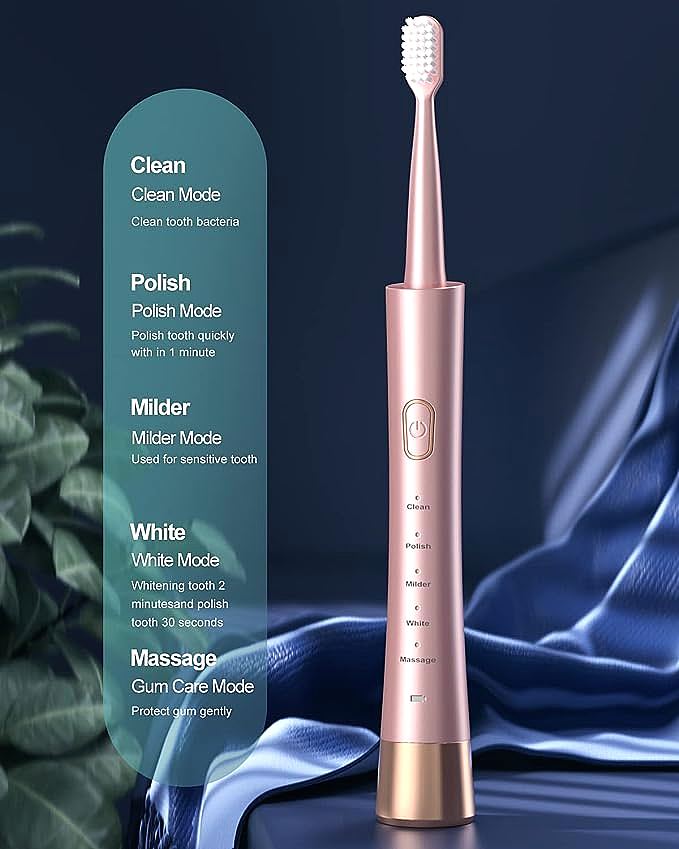
- The "Tickle" Factor: The intense vibration that some users find surprising is actually critical for this non-contact cleaning effect. It signifies that the motor is powerful enough to drive the fluid dynamics necessary to disrupt the plaque biofilm matrix. For new users, utilizing the "Milder" mode is often recommended to allow the sensory nerves in the mouth to acclimatize to this new level of stimulation.
Precision Anatomy: Why "Smaller" Can Be Better
In the world of toothbrush design, there is a common misconception that a larger brush head equals a faster clean. In reality, dentistry often favors precision over surface area.
The W-wave design of the brush heads included with the AJELU is engineered to mimic the topography of the dental arch.
- Interdental Access: The contoured bristles (made from industry-standard DuPont nylon) are cut to fit the convex shape of the tooth and the concave spaces in between.
- Posterior Reach: A compact brush head is a feature, not a bug. It allows for greater maneuverability in the back of the mouth (the molars), where the vestibule (space between cheek and teeth) is tight. A bulky head often triggers the gag reflex or fails to clean the distal surface of the last molar. The AJELU’s streamlined head is designed to navigate this complex terrain without trauma.
The Economics of Compliance: Removing Barriers to Hygiene
One of the most significant, yet overlooked, aspects of oral health is compliance. Specifically, the frequency with which users replace their brush heads. The American Dental Association (ADA) recommends replacing brush heads every 3 months, or sooner if bristles are frayed. Worn bristles become abrasive to gums and significantly less effective at removing plaque.
However, the high cost of replacement heads for major brands often deters users from following this advice, leading them to use unsanitary, ineffective brushes for months on end.
The inclusion of 8 replacement heads with the AJELU system addresses this behavioral barrier head-on. By providing a 2-year supply in the box, the "friction cost" of hygiene is removed. Users are empowered to swap heads the moment bristles show wear, ensuring that every brushing session is performed with optimal equipment. This is a prime example of how product packaging can influence positive health habits.
Integrated Design for the Modern Nomad
In an era of constant connectivity and travel, the "accessory anxiety" of carrying proprietary chargers is a real pain point. Many electronic toothbrushes end up as paperweights once their specific charging dock is lost or left behind.
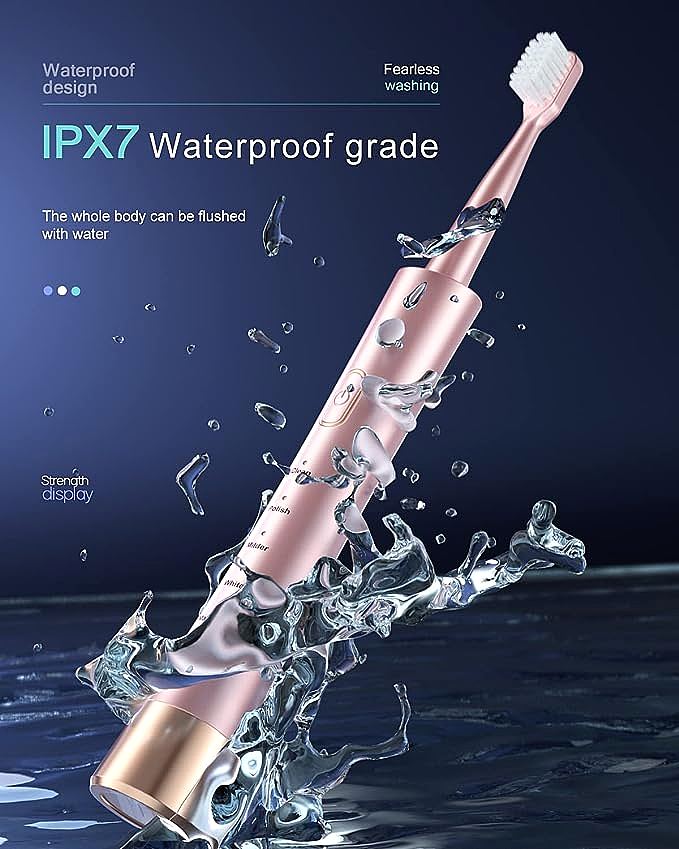
The engineering choice to integrate a hidden USB charging cable directly into the bottom of the AJELU handle is a nod to modern usability. * Universal Power: It eliminates the need for a specific brick or dock. It can be charged via a laptop, a car port, or a portable power bank. * Waterproof Integrity: Despite this integrated port, the device maintains an IPX7 waterproof rating, meaning the internal seals are robust enough to withstand full submersion. This design solves the logistical problem of keeping the device powered during extended travel (up to 30 days on a single charge), ensuring that your oral care routine doesn't suffer just because you are on the road.
Conclusion: Smart Technology, Accessible Health
The narrative of oral care is changing. It is moving away from the idea that "clean" is a luxury commodity, towards a reality where effective, sonic-powered hygiene is a standard utility.
Devices like the AJELU JP-ET-PINK serve as a testament to this shift. By focusing on the fundamentals—31,000 VPM motor power, ergonomic bristle design, and long-term maintenance feasibility—it provides a scientifically sound pathway to better oral health. It reminds us that the goal of technology should be to solve problems—like plaque accumulation and gum inflammation—efficiently and accessibly, for everyone.
AJELU JP-ET-PINK Sonic Electric Toothbrush for Adults
Related Essays
The Democratization of Hydrodynamics: Is Premium Oral Care Finally Affordable?

The Nomadic Standard: Maintaining Clinical Oral Hygiene Without the Counter Space
Hydro-Kinetic Precision: Mastering Oral Biofilm Control with Visualized Pressure
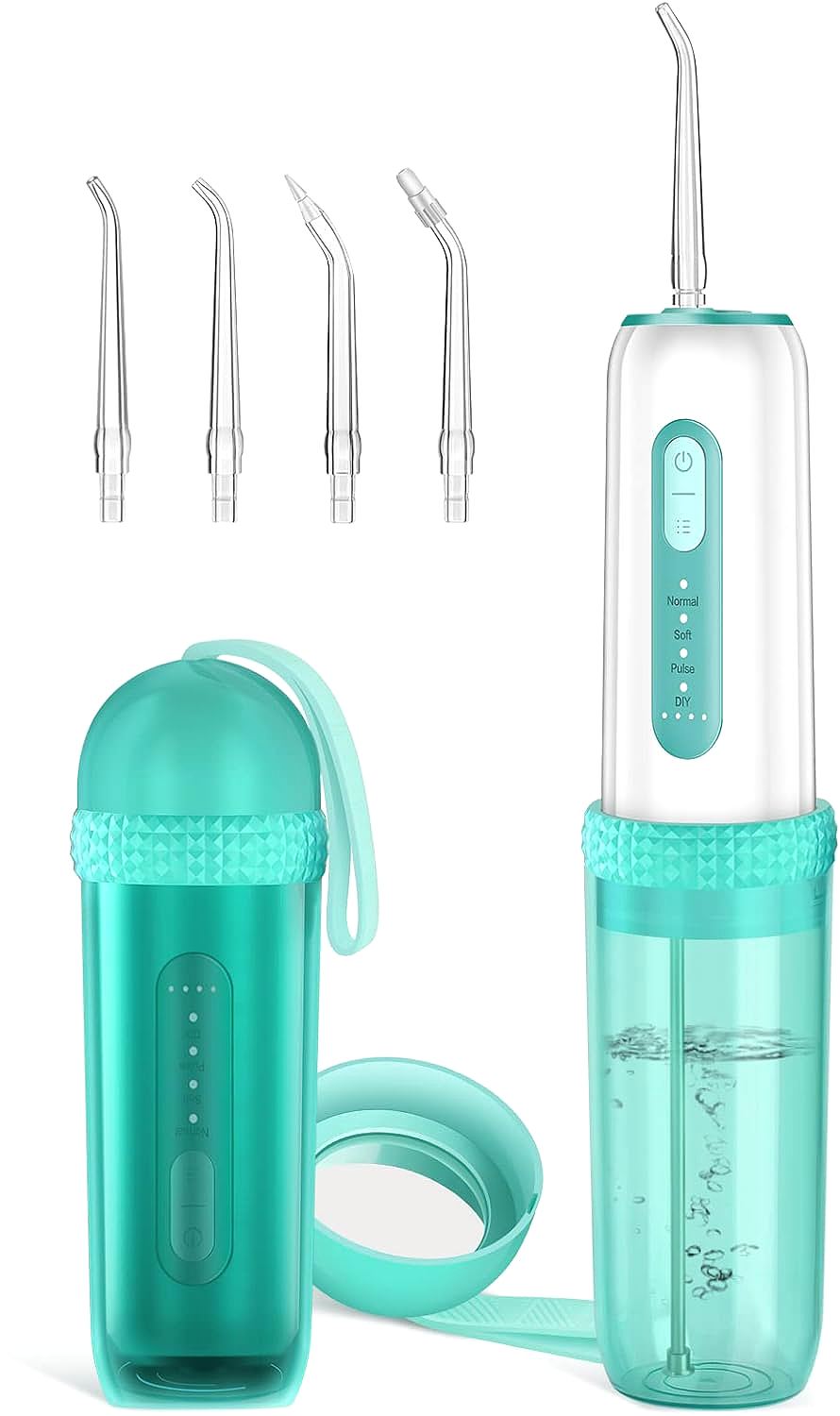
Beyond the Hype: An Engineer's Deep Dive into the UMICKOO X7 Portable Water Flosser