The Physics of Oral Hygiene: Understanding Sonic Technology and Biofilm Control

Philips Sonicare Optimal Clean Rechargeable Electric Toothbrush (HX6829/30)
Oral hygiene is often viewed through a simplistic lens: a mechanical act of scrubbing surfaces to remove debris. However, from a clinical perspective, the battle within the oral cavity is far more complex. It is a constant management of the oral microbiome, specifically the disruption of bacterial biofilm—commonly known as plaque. This sticky, colorless film is not merely a cosmetic nuisance; it is an organized community of bacteria that serves as the precursor to both caries (cavities) and periodontal disease.
The evolution of dental tools, exemplified by devices like the Philips Sonicare Optimal Clean, represents a shift from manual abrasion to fluid-based engineering. To understand why upgrading from a manual tool matters, we must look beyond the "fresh feeling" and examine the physics of how these devices interact with biological tissues.
Fluid Dynamics and Non-Contact Cleaning
The primary distinction of sonic technology lies in its mechanism of action. While a manual toothbrush relies entirely on direct physical contact—where the bristles touch, they clean—high-frequency electronic instruments operate on a dual level.
First is the mechanical scrubbing, which is amplified by high-speed vibrations (often up to 62,000 brush movements per minute). But the second, more scientifically intriguing mechanism is dynamic fluid action. When a brush head vibrates at sonic frequencies, it creates vigorous turbulence in the mixture of toothpaste, water, and saliva.
This turbulence generates shear forces capable of disrupting biofilm matrices even beyond the tips of the bristles. This phenomenon, known in fluid dynamics as "non-contact cleaning," allows the fluid to penetrate tight interdental spaces (between teeth) and the gingival sulcus (the pocket between the gum and tooth). Clinical data often cites significant plaque removal rates—such as the 600% improvement over manual brushing referenced in product specifications—which is largely attributable to this ability to manage biofilm in hard-to-reach areas where manual bristles simply cannot fit.
The Guardrails of Gingival Health: Pressure Regulation
One of the paradoxes of oral hygiene is that "trying harder" can often be detrimental. A common issue observed by dental professionals is gingival recession and cervical abrasion caused by over-zealous brushing. Users frequently equate force with cleanliness, applying aggressive pressure that wears down enamel and traumatizes soft gum tissue.
This is where engineering intervenes to correct human error. The integration of a Pressure Sensor into the handle of the Sonicare Optimal Clean serves as a bio-feedback loop. It is not merely a notification system; it is a protective mechanism. When the user applies force exceeding the safety threshold for soft tissue, the handle modulates its vibration (often pulsing or changing sound) to signal an immediate correction.
This feature essentially standardizes the brushing technique. It trains the user to let the frequency of the brush do the work rather than the force of the arm. For long-term preventative care, this safeguards the structural integrity of the gums, preventing the very damage users are trying to avoid.
Behavioral Engineering: Time and Compliance
In dentistry, compliance—the consistency and correctness with which a patient follows instructions—is the biggest variable in treatment success. The standard recommendation is two minutes of brushing, twice daily. Yet, studies on human perception of time reveal that most people brushing manually stop after just 45 seconds, believing they have finished the job.
Advanced tools address this cognitive gap through automation. The Smartimer and QuadPacer features function as behavioral guides. By segmenting the mouth into four quadrants and allocating 30 seconds to each, the device imposes a rigorous structure on the routine. This ensures that the lingual (tongue-side) surfaces of the molars—areas often neglected—receive the same attention as the easily accessible front teeth. It transforms a subjective routine into an objective, timed procedure.
The Architecture of Longevity: Battery and Brush Heads
The sustainability of an electric toothbrush relies on two factors: the energy source and the consumable interface.
Modern devices have transitioned to Lithium-Ion chemistries, which offer a distinct advantage over older Nickel-Metal Hydride (NiMH) batteries: consistent power delivery. A Li-Ion battery maintains its voltage output until it is nearly depleted, ensuring that the sonic vibrations remain at the therapeutic frequency throughout the charge cycle.
However, the longevity of the device itself—often a point of discussion in user feedback regarding charging failures—frequently depends on maintenance. These devices use inductive charging to remain water-resistant, but the accumulation of calcified water and toothpaste slurry at the base can compromise the seal or the charging efficiency over years. Proper rinsing and drying of the handle after use is a simple protocol that significantly extends the lifespan of the electronics.
Furthermore, the BrushSync technology addresses the degradation of the cleaning interface. Nylon bristles fatigue over time; they splay and develop microscopic abrasions that harbor bacteria and lose their stiffness. A dedicated reminder system removes the guesswork, ensuring that the tool interacting with your enamel is always within its optimal performance window.
Conclusion: Engineering a Healthier Biome
When we strip away the marketing, a device like the Philips Sonicare Optimal Clean is essentially a high-precision instrument for biofilm management. It compensates for human limitations—our inability to move our hands 62,000 times a minute, our poor estimation of time, and our tendency to apply too much force.
By understanding the principles of fluid dynamics and the necessity of gentle, consistent pressure, users can transition from simply "brushing teeth" to actively engineering a healthier oral environment. The goal is not just a white smile, but the preservation of the complex biological system that supports it.
Philips Sonicare Optimal Clean Rechargeable Electric Toothbrush (HX6829/30)
Related Essays
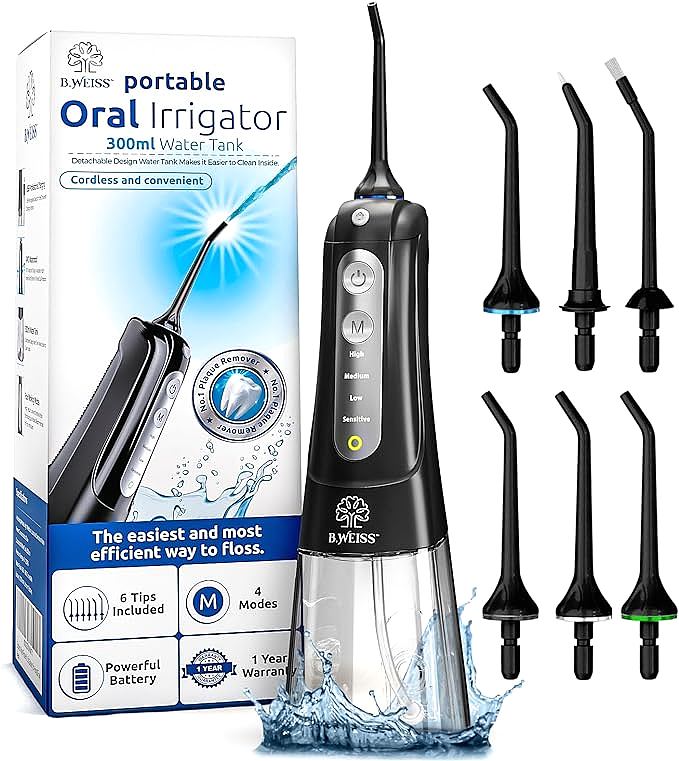
The Power Protocol: Harnessing High-Velocity Hydrodynamics for Deep Oral Cleaning
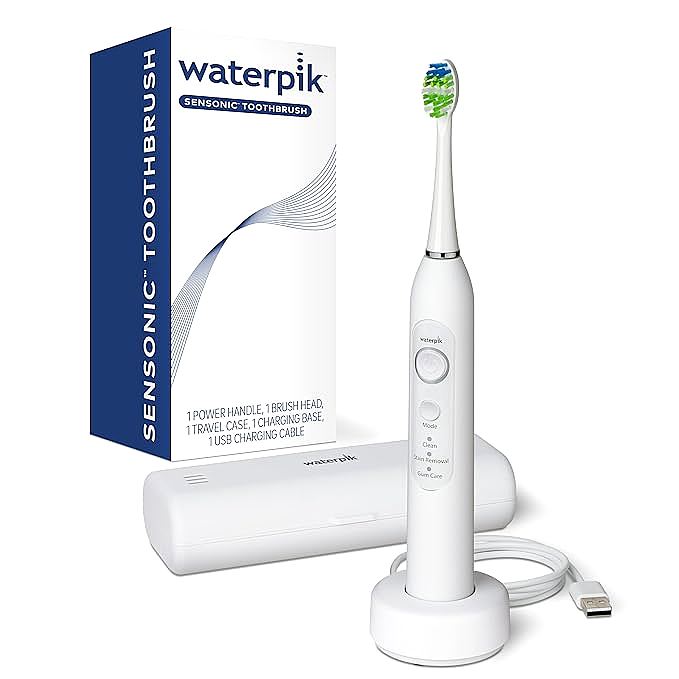
Hydrodynamic Resonance: The Physics of Non-Contact Cleaning and the Fluid Dynamics of Sonic Dentistry

Beyond the Bristles: The Fluid Dynamics of Sonic Oral Hygiene and the Physics of Biofilm Disruption
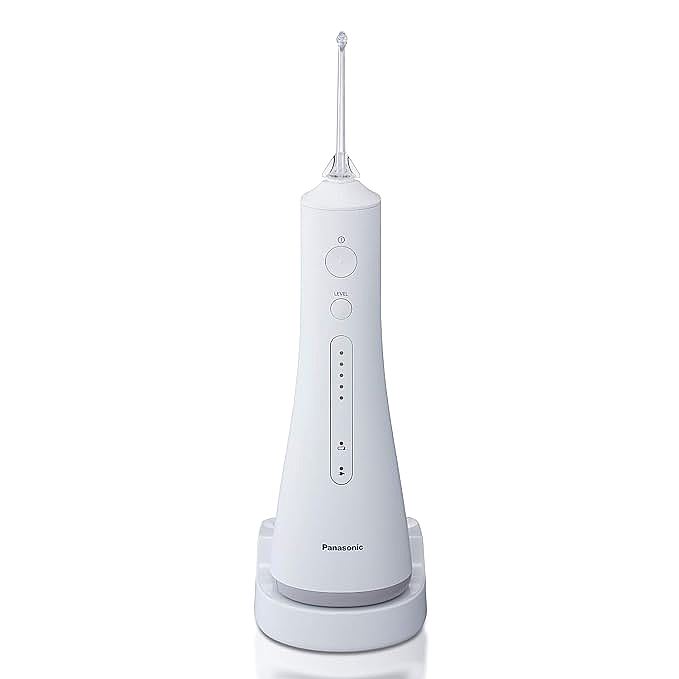
Beyond Mechanical Scrubbing: The Fluid Dynamics of Biofilm Disruption and the Science of Micro-Bubble Cavitation

The Biofilm Breaker: How Sonic Cavitation and Hydrodynamics Redefine Oral Health
The Clinical Standard: Hydrodynamic Shear Stress and Gingival Microcirculation
Democratizing Dental Health: The Science of Accessibility in Portable Water Flossing

The Right to Repair Your Smile: Decoding SURI's Sustainable Modular Design

Beyond Brushing: The Hydrodynamics of Pulsation and Biofilm Management