Hydrodynamic Hygiene: Mastering Oral Biofilm Control with Portable Precision
Update on Nov. 18, 2025, 4:35 p.m.
For decades, the prevailing narrative in oral hygiene has centered on mechanical friction—the bristle against the enamel, the nylon string sawing between contact points. While essential, this mechanical approach often fights a losing battle against the microscopic architecture of the oral cavity. The true adversary is not merely food debris, but oral biofilm, a complex, structured community of bacteria that thrives in the stagnant fluid dynamics of the interdental spaces and the gingival sulcus.
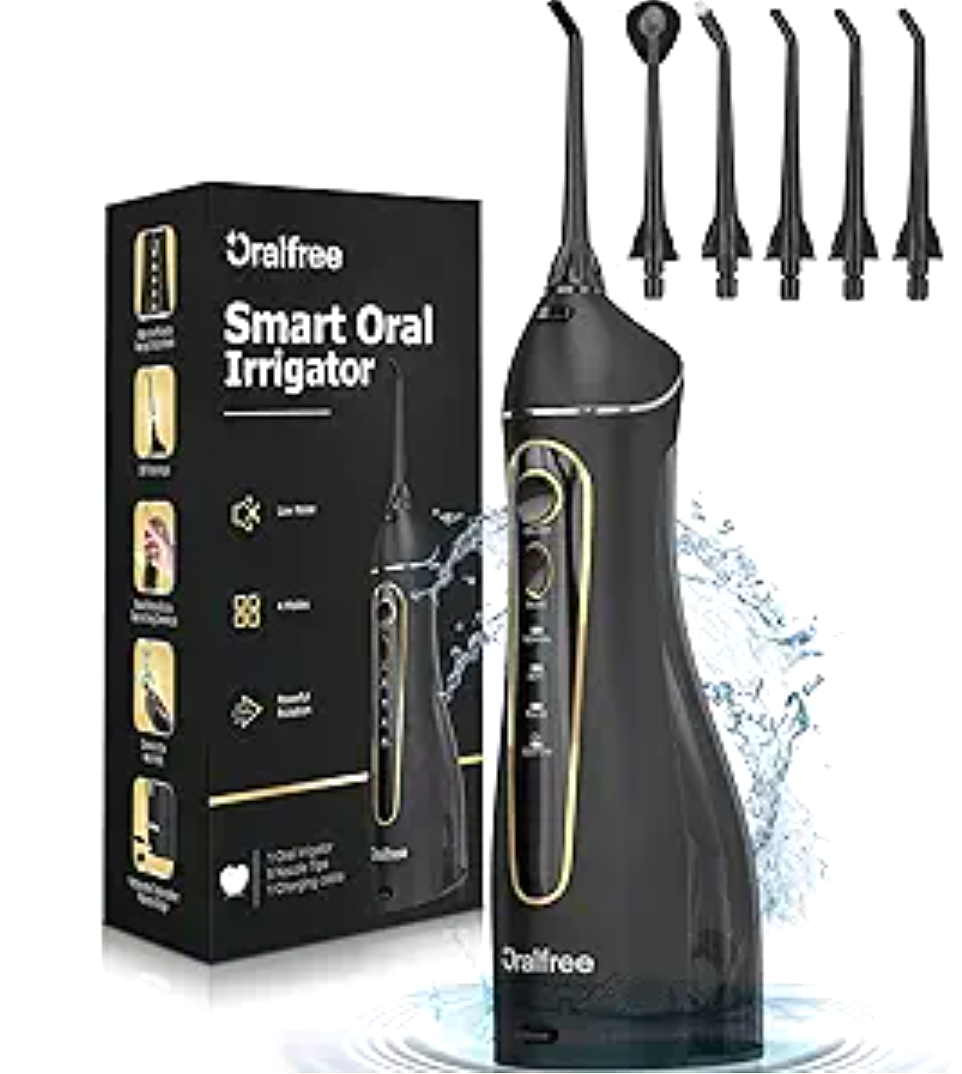
Recent advancements in oral care technology have shifted the focus from simple scrubbing to hydrodynamics—the use of fluid in motion to disrupt pathogenic environments. The modern cordless water flosser represents a significant leap in this field, decoupling professional-grade irrigation from the constraints of stationary, tethered units. By harnessing controlled pressure and specific pulsation frequencies, devices like the Schoben JIFAN-L10 Cordless Water Flosser illustrate how engineering can mobilize fluid mechanics to target plaque architecture where traditional tools cannot reach.

The Physics of the Pulse: Shear Stress vs. Biofilm
To understand the efficacy of water flossing, one must understand the concept of shear stress. Biofilm is resilient; it adheres tenaciously to tooth surfaces. A continuous stream of water often flows over this film without dislodging it. However, when water is delivered in rapid, high-frequency pulses, it creates a compression-decompression cycle.
This pulsating action generates sufficient shear stress to overcome the adhesive forces of the biofilm matrix. Technical specifications in modern devices often cite pulsation rates around 1800 pulses per minute. This frequency is not arbitrary; it is engineered to maximize the “water hammer” effect, micro-blasting the biofilm structure while simultaneously massaging the gingival tissue to stimulate blood circulation.
Furthermore, the variable pressure range—typically spanning 50 to 140 PSI (Pounds per Square Inch)—allows users to modulate this force. Lower pressures (50 PSI) are crucial for inflamed or sensitive tissues where gentle irrigation prevents trauma, while higher pressures (140 PSI) provide the kinetic energy necessary to flush out tightly packed debris from deep pockets or orthodontic hardware. The Schoben JIFAN-L10 serves as a pertinent example of this versatility, offering a spectrum of intensity that adapts to the changing landscape of oral health, from sensitive gums to debris-heavy cleaning.
Micro-Targeting: The Geometry of Irrigation
The effectiveness of hydrodynamic therapy is heavily influenced by the geometry of the delivery system—the nozzle. Just as a surgeon uses different scalpels for different tissues, oral irrigation requires specialized tips to alter the fluid stream’s shape and velocity for specific micro-environments.
- The Orthodontic Challenge: Braces create a labyrinth of wires and brackets that trap biomass. A standard jet tip may deflect off these hard surfaces. Specialized orthodontic nozzles often feature tapered bristles that mechanically disturb the debris while the water jet flushes it away.
- Periodontal Pocket Management: For individuals with periodontal concerns, the gingival sulcus deepens into a “pocket” where anaerobic bacteria flourish. Delivering water here requires precision, not raw power. A fine, soft-tipped nozzle designed for low-pressure delivery can safely irrigate these sub-gingival areas without causing tissue separation.
- Tongue Hygiene: The dorsum of the tongue is a primary reservoir for volatile sulfur compounds (VSC), the main culprit behind halitosis. A wider, scoop-shaped nozzle disperses the water pressure to scrape and flush the bacterial coating effectively.

The Mobility Paradigm: Unchaining the Routine
Historically, high-performance oral irrigation was synonymous with bulky, countertop units tethered to electrical outlets. This limitation often led to “compliance failure”—users simply stopped flossing when they traveled or found the setup too cumbersome.
The evolution of lithium-ion battery technology has fundamentally altered this landscape. Modern portable units now rival their desktop counterparts in power and endurance. A high-capacity battery (often in the 1500-2000mAh range) can sustain weeks of operation on a single charge, ensuring that the therapeutic routine remains uninterrupted during travel.
Moreover, the integration of large reservoirs, such as 300ml tanks, addresses the primary complaint of early portable models: the need for constant refilling. Combined with IPX7 waterproof ratings, these devices allow for seamless integration into shower routines, further reducing the friction of daily habit formation. The Schoben JIFAN-L10 exemplifies this shift, packing substantial hydrodynamic power and capacity into a form factor designed for the mobile lifestyle.
Hygiene of the Device: The Open Tank Advantage
A critical, often overlooked aspect of oral irrigators is the hygiene of the device itself. Stagnant moisture in enclosed spaces is a breeding ground for bacteria. Traditional portable flossers with small, inaccessible filling ports can become reservoirs for mold and biofilm over time.
The shift towards detachable, wide-mouth water tanks is a significant design improvement from a sanitary perspective. This architecture allows users to physically scrub the interior of the reservoir and ensures complete drying between uses. Maintaining the sterility of the tool is as vital as the cleaning of the teeth; ensuring that the water entering the mouth is free from secondary contamination is a baseline requirement for effective oral care.

Conclusion: Elevating the Standard of Care
The transition from passive brushing to active, hydrodynamic management represents a maturity in personal health understanding. By leveraging the physics of shear stress and the precision of specialized irrigation, individuals can maintain a level of oral hygiene that was previously exclusive to the dental chair. Whether navigating the complexities of orthodontics or simply maintaining gum health, the modern cordless water flosser offers a potent, adaptable solution. Devices that combine high-frequency pulsation, variable pressure control, and sanitary design, like the Schoben JIFAN-L10, are not just accessories—they are essential instruments in the lifelong preservation of oral systemic health.