Beyond Pressure: The Science of Microbubbles and Hydrodynamics in Gum Health
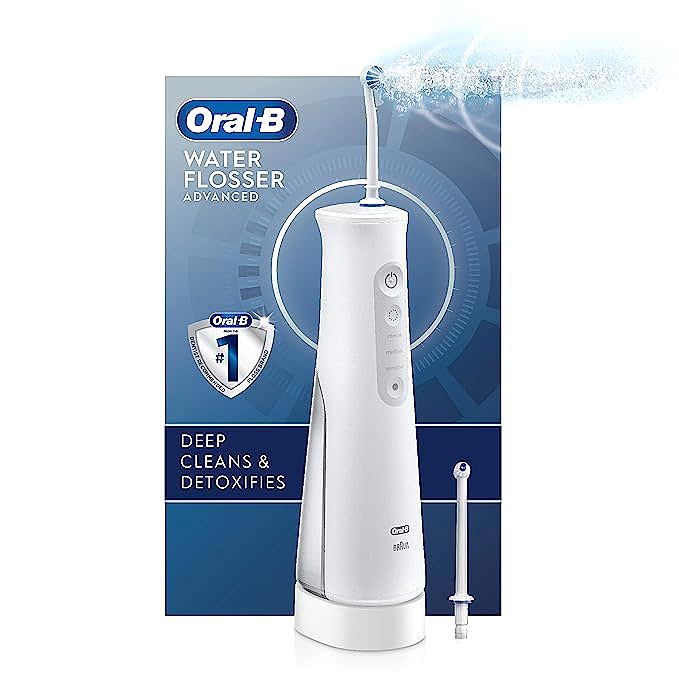
Oral-B XYQ-37 Water Flosser Advanced
In the crowded market of oral hygiene, a singular metric often dominates the conversation: pressure. Like horsepower in a car engine, PSI (pounds per square inch) has become the shorthand for efficacy in water flossers. The logic seems intuitive—more force equals more debris removed. However, this brute-force approach overlooks a critical biological reality: our mouths are not merely dirty pavements requiring a power wash; they are delicate ecosystems battling a microscopic, biological war.
The true frontier of modern oral care is moving away from simple mechanical blasting toward hydrodynamic therapy. This shift prioritizes the manipulation of the oral microenvironment—specifically, targeting the anaerobic bacteria that thrive in the oxygen-deprived pockets of our gums. It is here, at the intersection of fluid dynamics and microbiology, that technologies like oxygen-enriched microbubbles begin to rewrite the rules of "clean."
The Hidden War: Anaerobes and the Subgingival Pocket
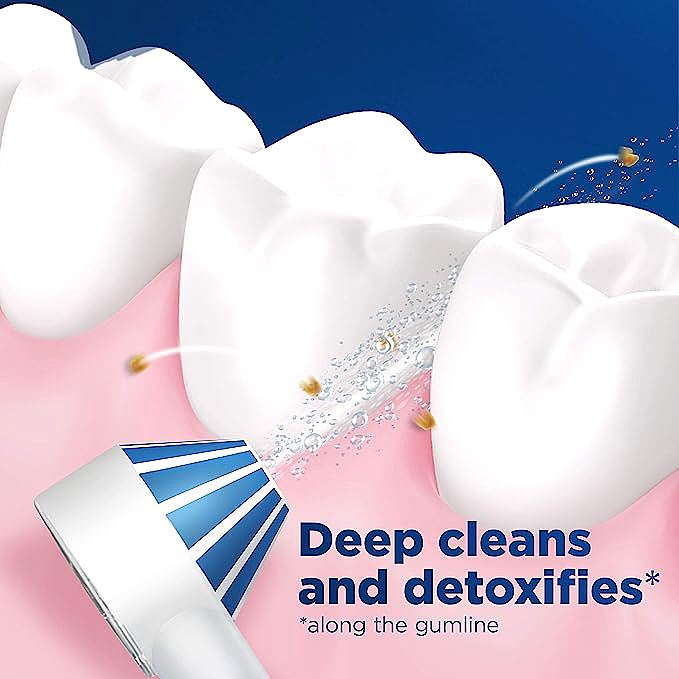
To understand why pressure isn't everything, we must first understand the enemy. Periodontal disease and persistent gum inflammation are largely driven by anaerobic bacteria. These pathogens, such as Porphyromonas gingivalis, flourish in environments devoid of oxygen. They colonize the subgingival pockets—the deep, narrow spaces between the tooth and the gum tissue.
Traditional floss scrapes these surfaces, and high-pressure water jets can physically dislodge the bacterial colonies (biofilms). However, neither method inherently addresses the environment that allows these bacteria to thrive. This is where the science of oxygenation comes into play. By introducing oxygen into these hypoxic (low oxygen) pockets, we can theoretically disrupt the metabolic processes of harmful anaerobes, effectively "detoxifying" the gumline in a way that mechanical scraping alone cannot achieve.
Decoding Microbubbles: The Physics of a Gentle Clean
How do we deliver oxygen deep below the gumline effectively? Enter the microbubble.
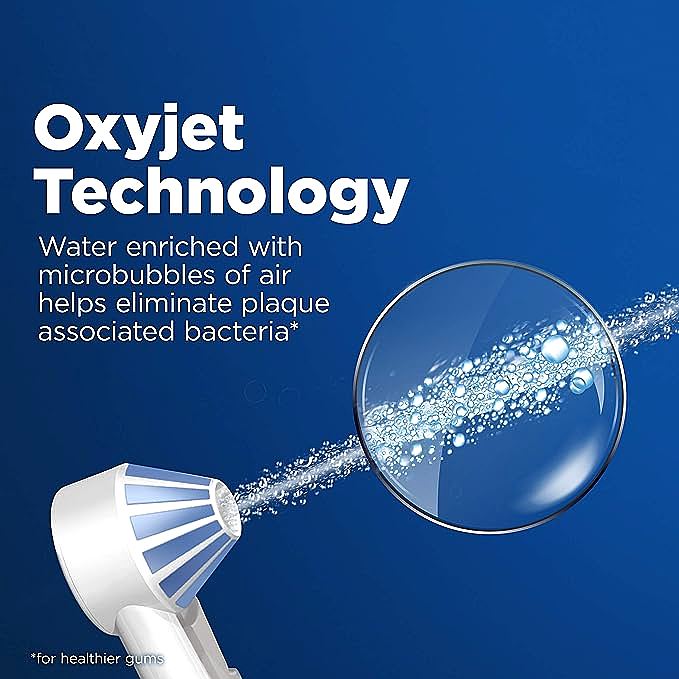
In advanced fluid dynamics, a microbubble is not just a pocket of air; it is a functional tool. When a stream of water is enriched with millions of tiny air bubbles, its physical properties change. This is the core principle behind Oxyjet Technology, a mechanism notably engineered into devices like the Oral-B XYQ-37 Water Flosser Advanced.
When these microbubbles impact a surface—like the enamel of a tooth or the soft tissue of the gums—they create a phenomenon known as shear stress. As the bubbles collapse or oscillate within the fluid stream, they release kinetic energy. This energy generates a scrubbing action at a microscopic level, capable of disrupting the sticky matrix of plaque biofilm.
Crucially, this process allows for effective cleaning without relying solely on potentially damaging high water pressure. For users who find standard water flossers painful or abrasive to sensitive gums, this distinction is vital. The goal shifts from "blasting" to "disrupting."
Engineering Case Study: The Oral-B XYQ-37
The Oral-B XYQ-37 serves as a practical example of how these theoretical principles are applied in consumer electronics. Unlike competitors that chase higher PSI ratings, this device focuses on the quality of the water stream.
The Role of Stream Architecture
The efficacy of hydrodynamic cleaning depends heavily on how the water is delivered. This device utilizes distinct nozzle configurations to manipulate water flow: * Rotational Streams: By spiraling the water, the device increases the surface area of contact and creates a pulsating, massaging effect. This promotes blood circulation in the gingival tissue while gently sweeping away debris. * Focused Streams: A linear jet provides the necessary penetration to reach deep into interdental spaces. * Air-Enriched Matrix: The defining feature is the infusion of air into these streams. This is designed to target plaque bacteria specifically, leveraging the oxygenation principle discussed earlier.
Analyzing the "Low Pressure" Critique
It is worth noting that some users transitioning from traditional, high-pressure units initially perceive this technology as "weak" or "low pressure." From an engineering standpoint, this is a predictable observation. If a device mixes air into the water column (Oxyjet), the perceived impact force per square inch will naturally be lower than a solid column of water.
However, conflating "impact force" with "cleaning efficacy" is a misunderstanding of the mechanism. If the goal is biofilm disruption via microbubble shear stress, extreme pressure is not only unnecessary but could be counterproductive for sensitive tissues. The design intent here is clearly therapeutic maintenance rather than industrial-grade excavation.
Functional Trade-offs
No engineering design is without compromise. To support a portable form factor capable of this specific air-water mixing, the XYQ-37 utilizes a Nickel-Metal Hydride (NiMH) battery system. While reliable, NiMH technology is heavier and has a different discharge curve compared to modern Lithium-Ion equivalents. This choice likely reflects a balance between cost, safety, and the specific power requirements of the diaphragm pump used to generate the spiraling water effect. Users seeking a device that lasts weeks on a single charge might find this a limitation, but it is a trade-off made to accommodate the specific pumping mechanism required for Oxyjet technology.
The Future of Fluid Dynamics in Dentistry
The evolution of oral irrigators suggests a broader trend in personal healthcare: a move towards smarter, biologically attuned interventions. We are learning that "clean" is not just about the absence of visible debris; it is about the balance of the microbiome.
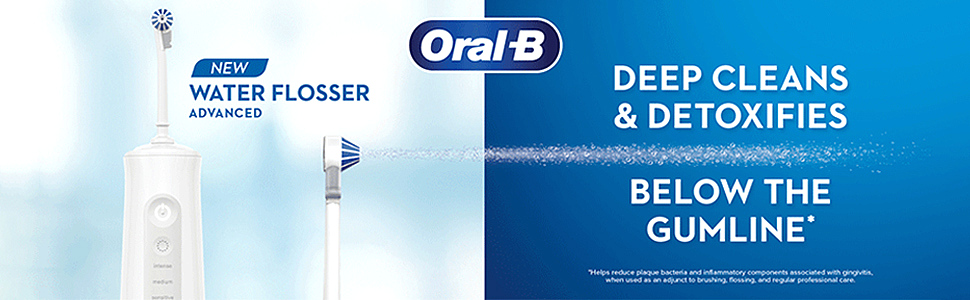
Tools that leverage hydrodynamics and oxygenation offer a sophisticated alternative to the "brute force" paradigm. By prioritizing the disruption of anaerobic environments and utilizing the gentle power of microbubbles, we can maintain gum health with a level of precision that respects the delicate biology of the human mouth. For the consumer, the key takeaway is clear: when evaluating tools for your oral health, look beyond the PSI rating and consider the science of the stream.
Oral-B XYQ-37 Water Flosser Advanced
Related Essays
Hydrodynamic Resonance: The Physics of Non-Contact Cleaning and the Fluid Dynamics of Sonic Dentistry

The Biofilm Breaker: How Sonic Cavitation and Hydrodynamics Redefine Oral Health
Bridging the Hygiene Gap: The Science of Simultaneous Hydro-Mechanical Cleaning