The Tethered Wireless: Connectivity, Power, and the Logic of Physical Controls
Update on Jan. 3, 2026, 10:14 a.m.
The term “wireless” implies a lack of constraints, but in the context of digital audio, it introduces a new set of dependencies: battery life and signal integrity. For the active user, the reliability of these invisible tethers is just as critical as the physical durability of the device. A headphone that cuts out mid-lift or dies at mile four is functionally useless, regardless of how well it fits.
The evolution of wireless protocols, specifically the jump to Bluetooth 5.3, combined with a pragmatic approach to user interface design, marks a maturation in the category. Devices like the Stiive U8I illustrate how engineering choices prioritize reliability over novelty in high-stress environments.
Bluetooth 5.3: The Stability Protocol
Early iterations of Bluetooth were notorious for their fragility. The human body is essentially a bag of water, which is excellent at blocking 2.4GHz radio signals. This meant that simply putting a phone in a back pocket could cause signal dropouts.
Bluetooth 5.3 represents a significant architectural improvement aimed at mitigating these issues. It focuses on connection robustness and power efficiency. * Interference Mitigation: In environments saturated with radio noise—like a gym filled with dozens of other headphones and Wi-Fi networks—Bluetooth 5.3 utilizes improved channel hopping algorithms to find clear signal paths. * Latency and Sync: For users who combine cardio with video consumption, “low latency” is essential. The synchronization between visual and auditory inputs prevents the disorienting lag that plagued older devices. * Energy Efficiency: By optimizing the standby and transmission states, the protocol reduces the energy cost of maintaining a link. This efficiency is a key contributor to the extended runtimes seen in modern devices.
Stiive’s implementation of “Fast and Stable Connection” is grounded in these protocol advancements, ensuring that the technology acts as a silent utility rather than a source of frustration.
The Energy Equation: 16 Hours vs. Reality
Battery life in wearables is a function of energy density versus weight. The Stiive U8I claims up to 16 hours of playtime, a figure that significantly exceeds the average 5-6 hours of many “true wireless” buds.
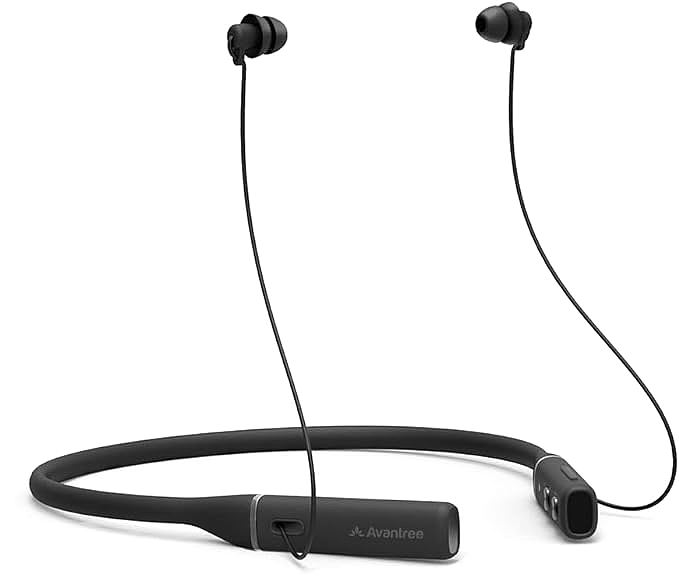
This endurance is largely due to the form factor. The wire connecting the two ear hooks allows for a slightly larger battery chamber or a distributed weight design that doesn’t hang solely on the ear canal. This “neckband-style” or connected architecture permits the inclusion of a larger Lithium Polymer cell without compromising comfort.
For the user, 16 hours translates to a “weekly” rather than “daily” charging cycle. This reduction in “charging anxiety” is a critical psychological factor. Knowing that a 2-hour charge can power a week’s worth of workouts fundamentally changes the relationship with the device, making it a reliable tool rather than a needy pet.
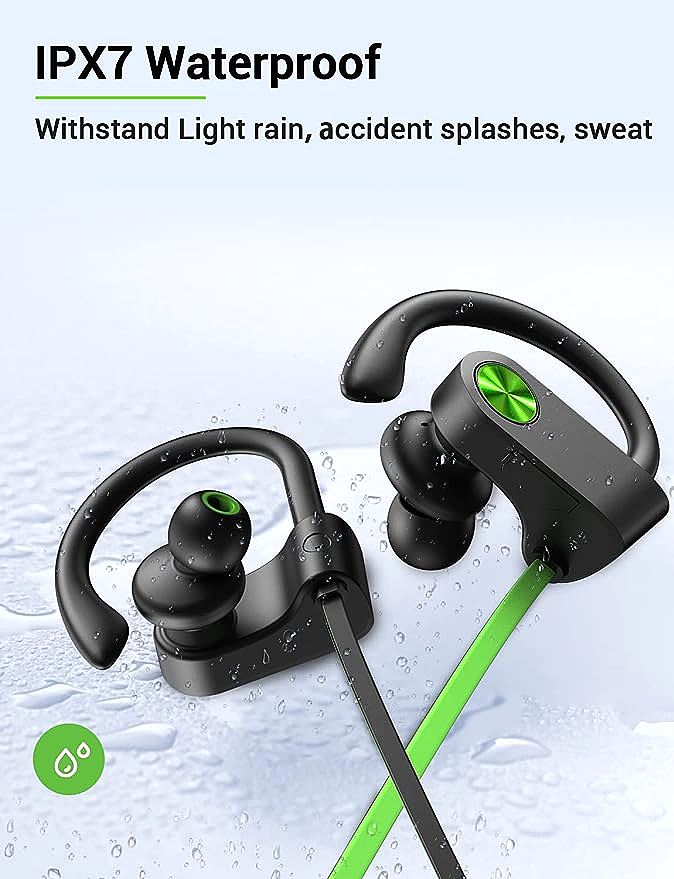
The Case for Physical Buttons: Tactile Certainty
In the rush to make everything sleek and touch-sensitive, many manufacturers have abandoned the physical button. However, in a sports context, touch controls are fundamentally flawed. Sweat conducts electricity, often triggering false touches on capacitive sensors. Wet fingers slide ineffectively over touchpads.
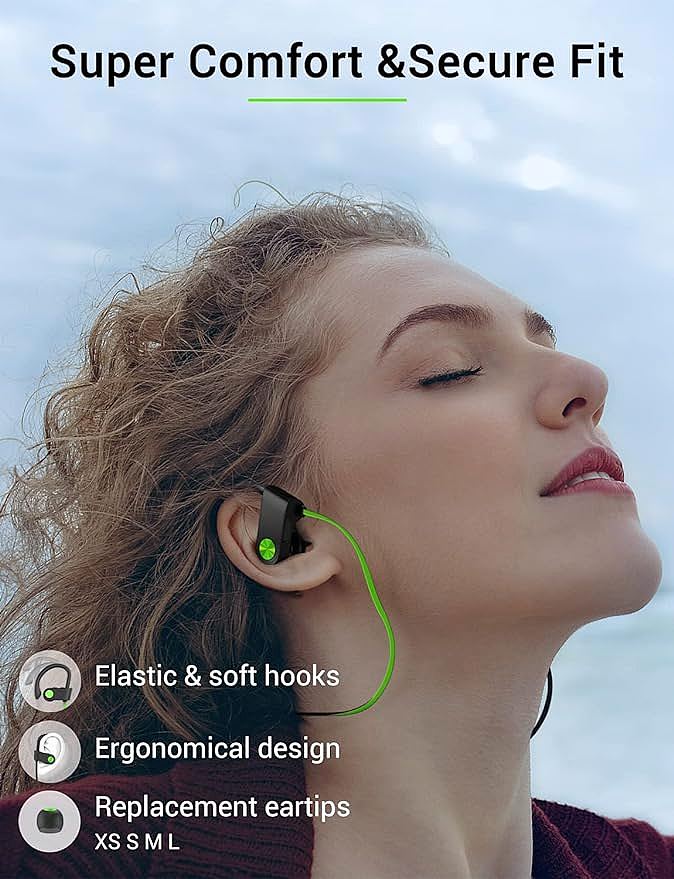
The Stiive U8I retains a dedicated control cluster with physical, tactile buttons. This “Easy Control Button” design acknowledges the reality of the use case. When your heart rate is 170 bpm and your hands are chalky or sweaty, you need the mechanical certainty of a click. You need to know, without looking or guessing, that you have paused the track or raised the volume.
This approach prioritizes cognitive load reduction. Physical buttons allow for muscle memory to take over, letting the athlete adjust their environment without breaking their focus or stride. It is a prime example of “function over form,” where the interface is designed for the worst-case scenario (sweaty, shaking hands) rather than the best-case (dry, calm hands).
Conclusion: Reliability as a Feature
The convergence of stable protocols like Bluetooth 5.3, substantial battery reserves, and tactile interfaces points to a specific design philosophy: reliability is the ultimate feature. In the world of sports audio, the best technology is the kind you don’t have to think about. It connects instantly, lasts longer than you do, and responds definitively to your commands, leaving you free to focus on the only thing that matters—the workout itself.