The Sonic Democratization: Why Premium Oral Care No Longer Demands a Premium Price
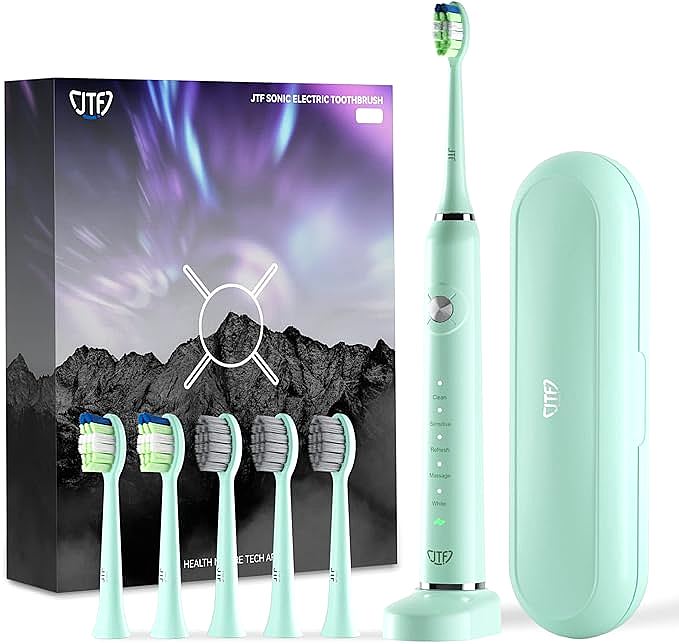
JTF P200 Sonic Electric Toothbrush
For decades, the electric toothbrush market was dominated by a binary choice: pay a premium price for top-tier sonic technology, or settle for a budget mechanical spin-brush that felt like a toy. The sophisticated "hum" of a high-frequency motor was effectively a luxury good, gated behind brand names that charged hundreds of dollars.
However, the landscape of personal care technology is shifting. Just as smartphones have become powerful yet accessible, dental engineering has reached a point of democratization. We are seeing the emergence of devices that decouple performance from price, proving that clinical-grade oral hygiene is not about the logo on the handle, but the physics inside the casing.
The Frictionless Heart: Maglev Technology
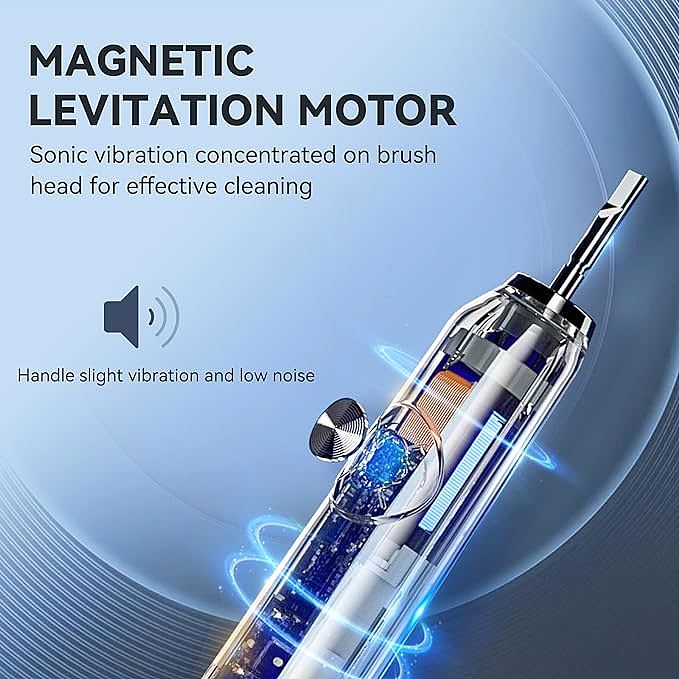
The defining feature of a modern affordable sonic electric toothbrush isn't just that it vibrates; it is how it vibrates. Older or cheaper models often use eccentric rotating mass motors—essentially unbalanced weights spun by a standard motor. These create vibration, but they also create noise, heat, and mechanical wear.
The JTF P200 bypasses this legacy technology entirely by employing a Maglev (Magnetic Levitation) motor. By suspending the internal drive mechanism within a magnetic field, engineers eliminate the physical friction of bearings and brushes. This is the same principle used in high-speed trains, scaled down to fit in your hand.
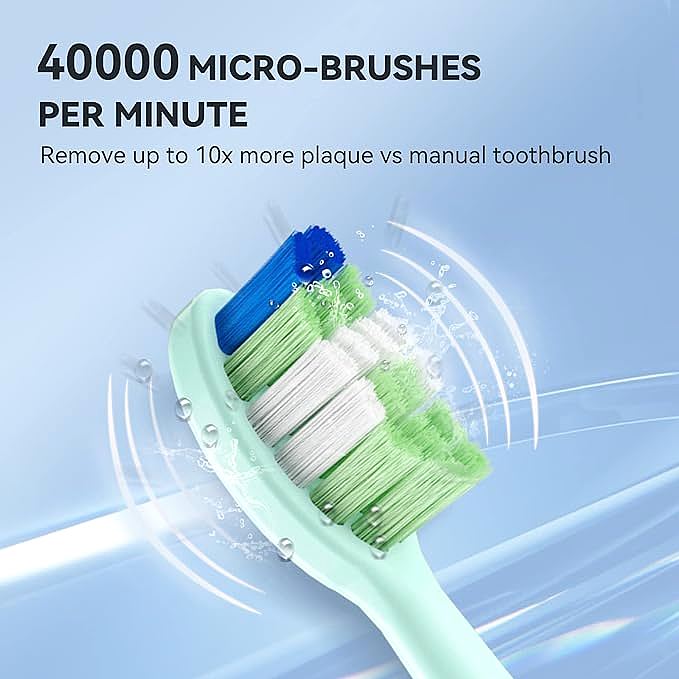
The result is a motor capable of generating 40,000 vibrations per minute (VPM). This specific frequency is critical. It is the threshold required to generate effective "non-contact" cleaning forces, where the energy transfer is efficient enough to whip toothpaste and saliva into a plaque-fighting foam. Because energy isn't wasted fighting friction, the motor runs quieter and lasts longer, delivering a consistent power output that doesn't fade as the battery drains.
Fluid Dynamics: Cleaning Beyond the Bristles
Why does 40,000 VPM matter? It changes the mechanism of cleaning from simple scrubbing to fluid dynamics. When bristles move at sonic speeds, they create zones of high and low pressure in the fluids surrounding the teeth. This generates acoustic streaming—a turbulent flow of micro-bubbles that are propelled deep into the interdental spaces (between teeth) and along the gumline.
This action flushes out food debris and bacteria from areas that the bristles themselves might not physically touch. It transforms the toothbrush from a broom into a power washer. For users transitioning from manual brushing, this sensation can be surprising—a tickling, active feeling that signals the disruption of biofilm in hard-to-reach crevices.
Material Science at the Tip
Power is useless without control. The interface between this high-speed engine and your enamel is the bristle. Cheap toothbrushes often use flat-cut nylon bristles with sharp, jagged edges that can cause micro-abrasions on the gums.
Quality engineering requires attention to the microscopic level. The JTF P200 utilizes DuPont Tynex bristles, a material standard in the industry known for its resilience and low water absorption. More importantly, the manufacturing process involves "end-rounding," where the tip of each bristle is polished into a smooth dome. This allows the brush to transmit the intense sonic energy to the tooth surface effectively without acting like sandpaper against sensitive gum tissue. The W-shaped profile of the brush head further optimizes this, designed to contour to the natural curvature of the dental arch for maximum surface contact.
The Algorithms of Care
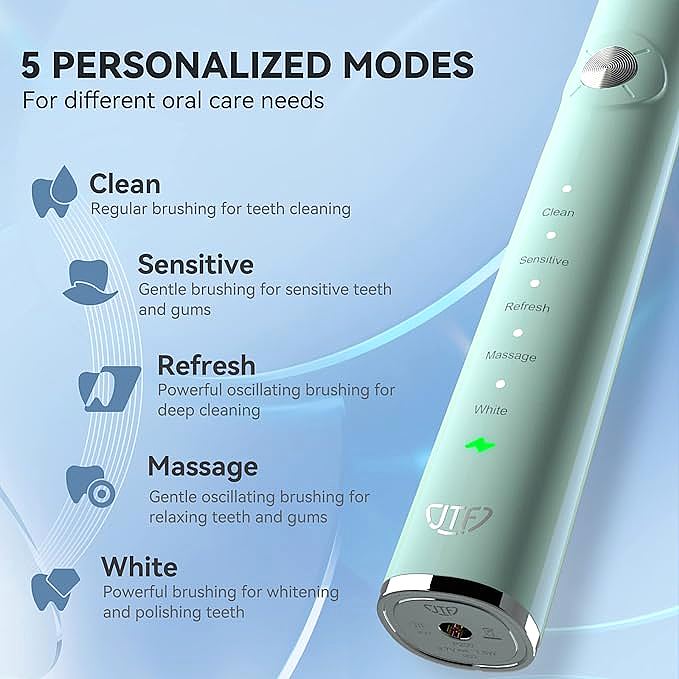
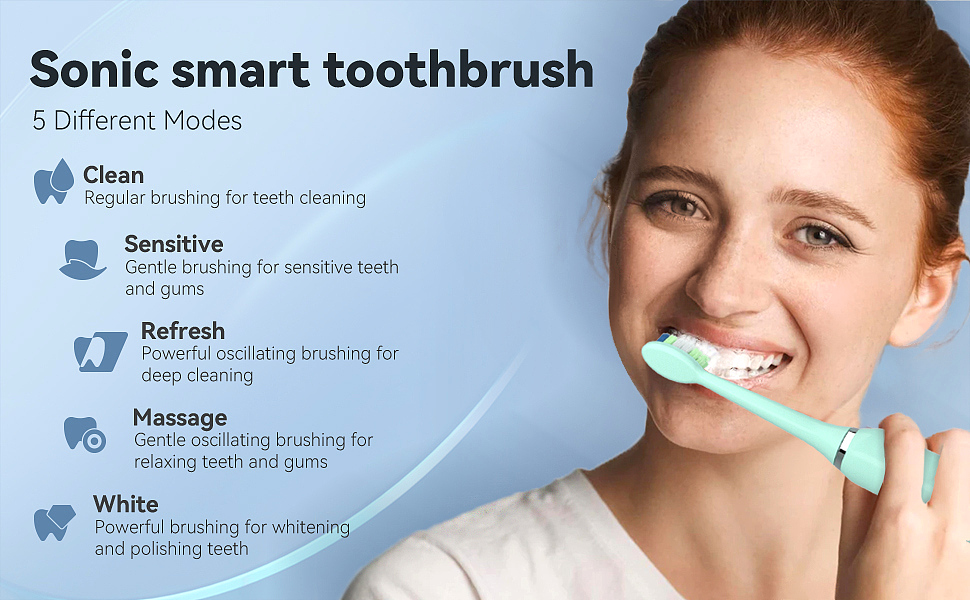
A raw motor is a blunt instrument. To serve diverse oral health needs, the hardware requires software. The P200 integrates five distinct operational modes, essentially different algorithms for the motor's behavior.
- Sensitive Mode: Lowers the amplitude for new users or those with gum recession.
- White Mode: Uses varying frequencies to polish surface stains.
- Massage Mode: Pulses the motor to stimulate blood flow in the gums.
This versatility ensures that the device adapts to the user, rather than forcing the user to adapt to the device.
Longevity and Value
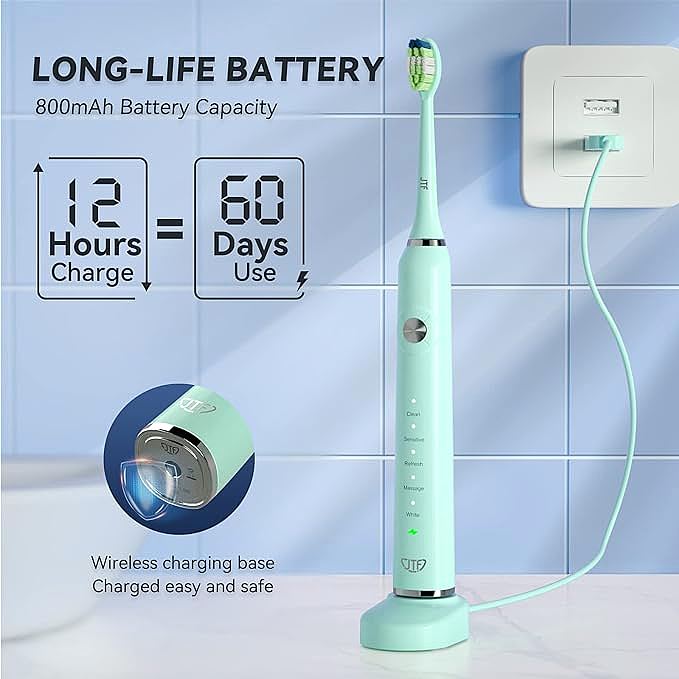
Perhaps the most disruptive aspect of this new wave of tech is battery efficiency. Thanks to the efficiency of the Maglev motor and modern Lithium-Ion chemistry, the P200 achieves a remarkable 60-day battery life on a single charge. This eliminates the "charger clutter" on the bathroom vanity and makes the device genuinely travel-ready.
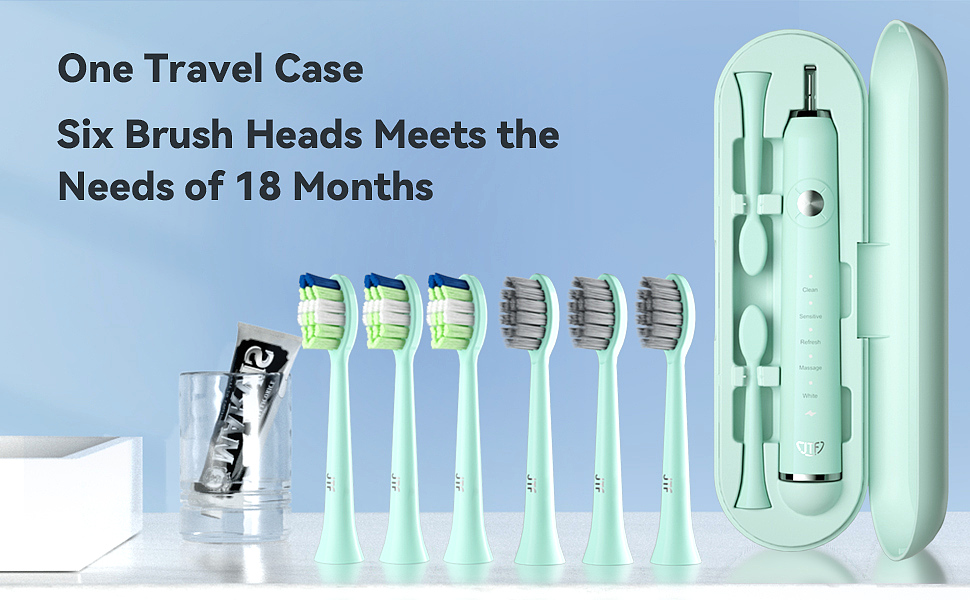
Furthermore, the "hidden cost" of electric toothbrushes—replacement heads—is addressed upfront. By including six brush heads in the box, the device offers approximately 18 months of usage before any additional purchase is necessary. This shift towards an all-inclusive value proposition challenges the traditional "razor and blades" business model that has long plagued the industry.
High-performance oral care is no longer the exclusive domain of luxury budgets. By leveraging advanced motor physics and focusing on core performance metrics like VPM and battery life, devices like the JTF P200 prove that a healthy smile is an accessible reality for everyone.
JTF P200 Sonic Electric Toothbrush
Related Essays

The Bitvae S3 Sonic Toothbrush: Deconstructing the Tech Behind a Smarter, Safer Clean
Beyond the Manual Brush: A Deep Dive into Sonic Toothbrush Technology
The Traveler's Edge: Are Battery-Powered Sonic Toothbrushes Effective?
The Sonic Shift: Deconstructing the Technology Behind a Modern Electric Toothbrush

Beyond the Bristles: An Engineer's Look at the Voom Sonic Pro 5 and the Science of a Deeper Clean

The SunnyNest Toothbrush Equation: Is Its 90-Day Battery Life Worth the Trade-offs?

The Unseen Force: How Sonic Toothbrush Technology Redefines a Deeper Clean

The Unseen Force: Deconstructing the Technology Inside the Aquasonic Clinical AQ Smart Toothbrush

Why Your Gums Need More Than Brushing: The Science of Sonic Cleaning
