The Velocity of Clean: Deciphering 40,000 VPM and the Economics of Long-Term Oral Care
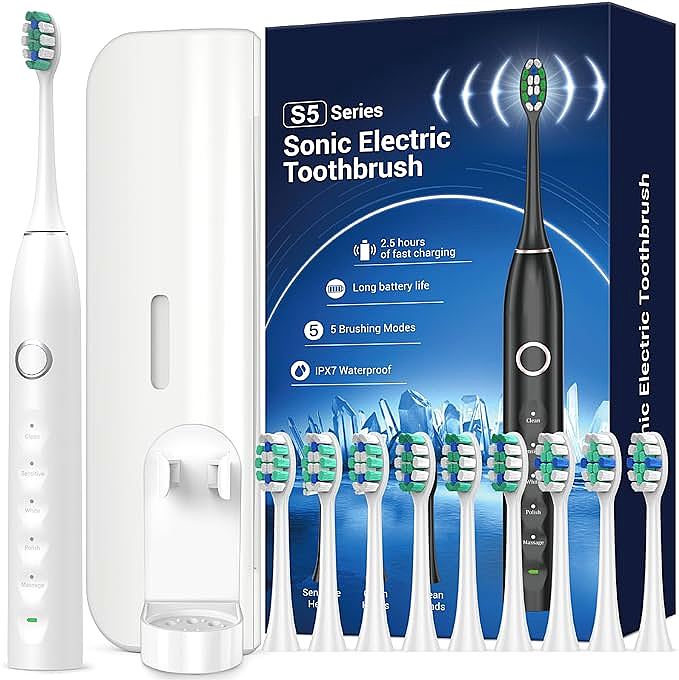
Fronix Sonic Electric Toothbrush
In the evolving landscape of personal care technology, a quiet revolution is taking place. It is not led by touchscreens or artificial intelligence, but by the democratization of high-performance engineering. For years, professional-grade oral hygiene was gated behind premium price tags and proprietary consumable models. Today, devices like the Fronix Sonic Electric Toothbrush are challenging this paradigm, proving that advanced fluid dynamics and energy density can be accessible commodities rather than luxuries.
To understand the significance of this shift, we must look beyond the plastic casing and examine the physics of cleaning and the logistics of daily life. It is a story of vibrations, voltage, and value.
The Physics of Frequency: Why 40,000 VPM Matters
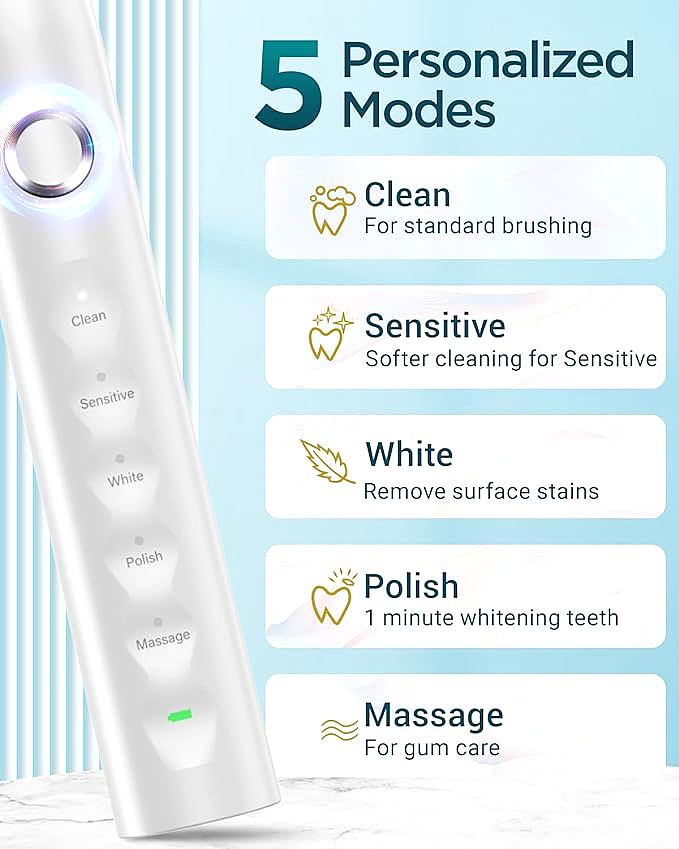
The primary metric of any sonic toothbrush is its speed, measured in Vibrations Per Minute (VPM). While standard models often hover around 30,000 VPM, the Fronix unit pushes this envelope to 40,000 VPM. But is faster necessarily better? According to the principles of fluid dynamics, the answer lies in a phenomenon called acoustic cavitation.
When bristles vibrate at such high frequencies, they do more than just scrub the tooth surface (mechanical cleaning). They impart kinetic energy into the mixture of saliva, water, and toothpaste in your mouth. This energy creates rapid pressure fluctuations, forming microscopic bubbles that implode with significant force.
- Non-Contact Cleaning: These implosions generate shockwaves and fluid jets that extend beyond the reach of the physical bristles—typically 2-3 millimeters. This allows the cleaning action to penetrate deep into the interproximal areas (between teeth) and the gingival sulcus (the gumline pocket), disrupting the biofilm matrix where bacteria thrive.
- Shear Stress: The high velocity of the fluid creates shear stress on the tooth surface, stripping away plaque without the need for abrasive scrubbing that can damage enamel or irritate gums.
By operating at 40,000 VPM, the device maximizes this "secondary cleaning" effect, transforming the fluids in your mouth into active cleaning agents.
The Autonomy Equation: 120 Days of Freedom
One of the most persistent friction points in adopting electric toothbrushes is "charging anxiety." The clutter of cables and the fear of a dead battery mid-trip often drive users back to manual brushes.
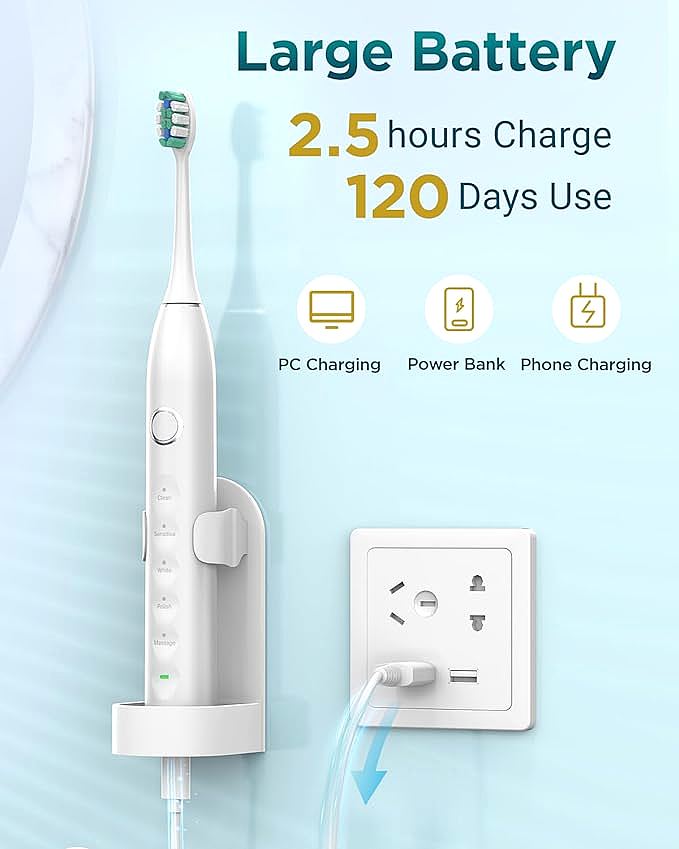
Modern lithium-ion chemistry has allowed for a significant leap in energy density. The Fronix toothbrush exemplifies this with a staggering 120-day battery life on a single 2.5-hour charge. This isn't just a convenience; it's a fundamental change in how the device integrates into your life.
- Travel Readiness: For the frequent traveler, the charger becomes obsolete. A fully charged handle can survive a quarter of a year, spanning multiple business trips or vacations without needing a proprietary dock.
- Bathroom Minimalism: By removing the need for a permanent charging station on the vanity, the device supports a cleaner, more hygienic bathroom environment, free from trailing wires that gather dust and moisture.
- Battery Health: Lithium-ion batteries degrade with charge cycles. By requiring charging only three times a year, the battery undergoes less stress compared to devices that sit on a charger daily, theoretically extending the total lifespan of the unit.
Breaking the "Razor-and-Blade" Model
The oral care industry has long relied on the "razor-and-blade" business model: sell the handle cheap, and price the replacement heads at a premium. This often discourages users from changing their brush heads as frequently as dentists recommend (every 3 months), leading to worn, ineffective bristles and bacterial buildup.
The inclusion of 9 replacement brush heads (6 standard, 3 sensitive) with the Fronix system disrupts this model. This supply spans approximately 27 months—over two years of optimal hygiene without a single additional purchase.
This approach aligns economic incentives with health outcomes. When the user is not rationing expensive brush heads, they are more likely to swap them out the moment bristles show signs of fatigue. This ensures that the mechanical cleaning efficiency remains consistent over time, rather than degrading as the user tries to stretch the life of a worn-out head.
Adapting to the Biological Landscape
No two mouths are the same, and even a single mouth changes day to day. Stress, diet, and hormonal changes can affect gum sensitivity. A static tool cannot address dynamic biological needs.
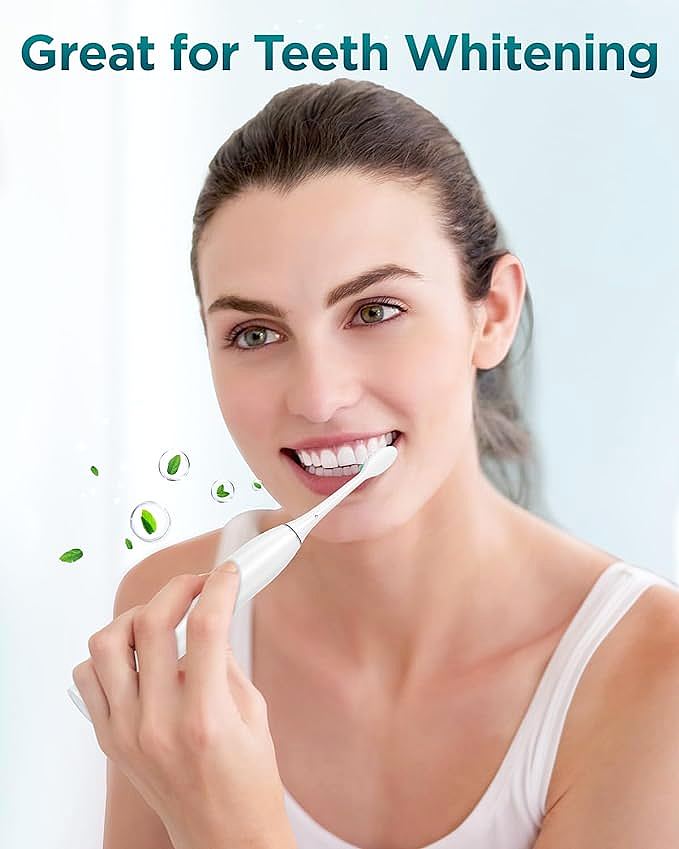
The integration of 5 high-performance modes allows the user to modulate the 40,000 VPM engine: * Clean: The standard for maximal fluid dynamics. * Sensitive: Reduced amplitude for days when gums feel tender. * Massage: A pulsating rhythm designed to stimulate microcirculation in the gingival tissue, promoting healing and resilience. * Whitening/Polishing: Specialized frequencies to target surface stains.
This versatility transforms the toothbrush from a blunt instrument into an adaptive tool, capable of providing a therapeutic massage one day and a deep scour the next.
Conclusion: The Logic of Efficiency
The transition to sonic oral care is no longer a question of luxury, but of logic. Devices like the Fronix Sonic Electric Toothbrush demonstrate that high-performance specifications—40,000 VPM motors, months-long battery life, and IPX7 waterproofing—can be packaged in a way that respects both the user's physiology and their wallet. By prioritizing engineering fundamentals over marketing fluff, we can achieve a superior clean that is sustainable, effective, and effortlessly consistent.
Fronix Sonic Electric Toothbrush
Related Essays
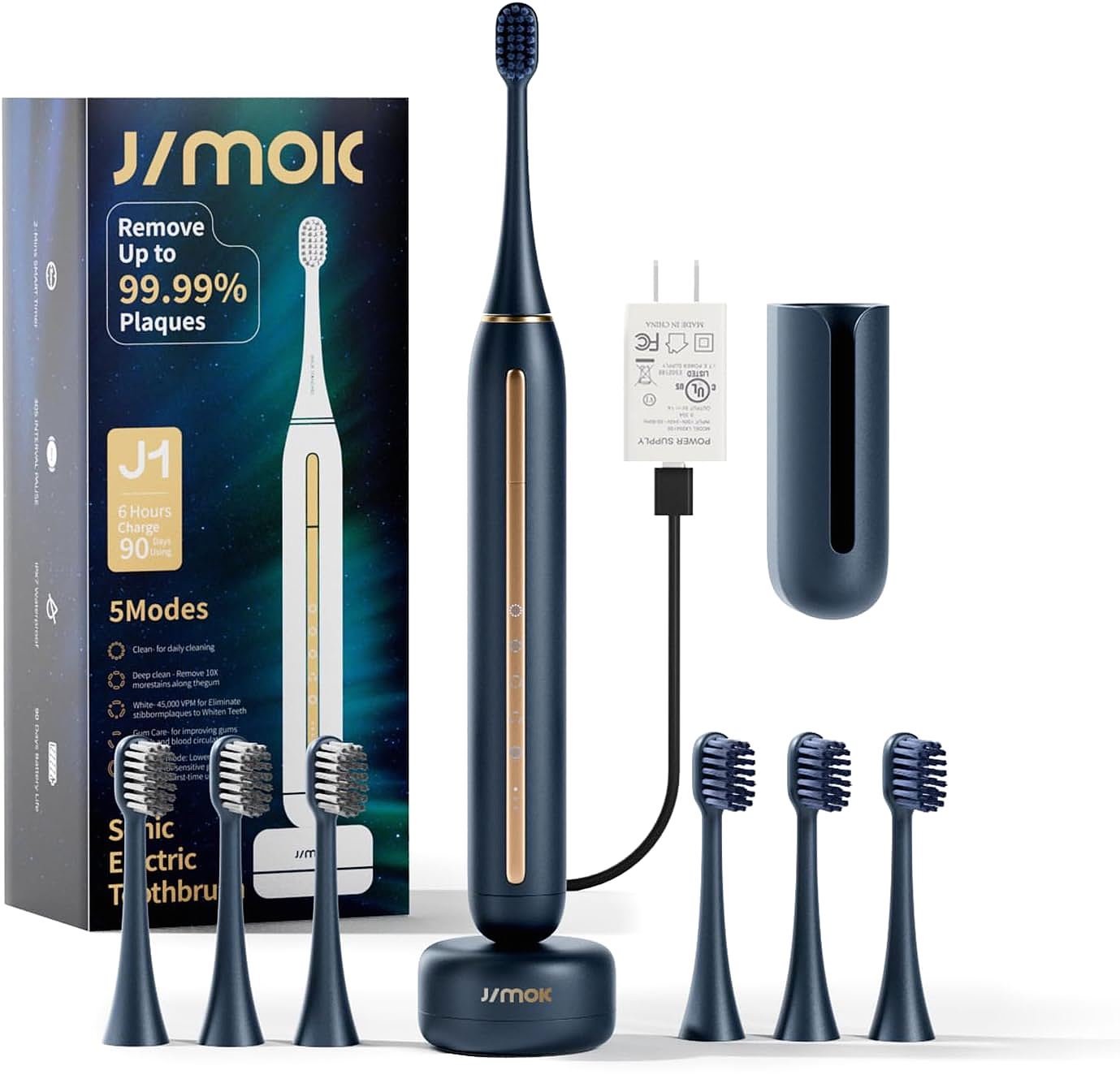
Beyond RPM: Decoding the Mechanics of High-Frequency Sonic Oral Care
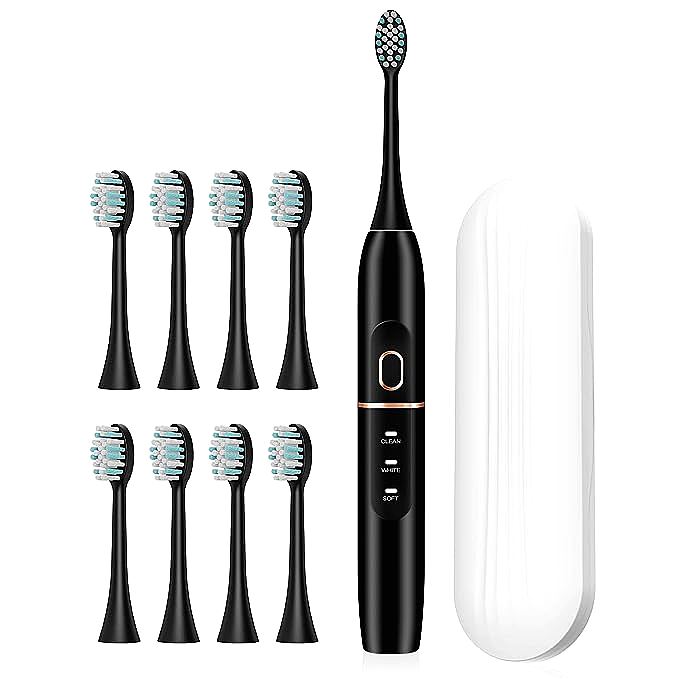
The Sonic Shift: Understanding 42,000 VPM and the Sensory Adaptation to High-Frequency Hygiene
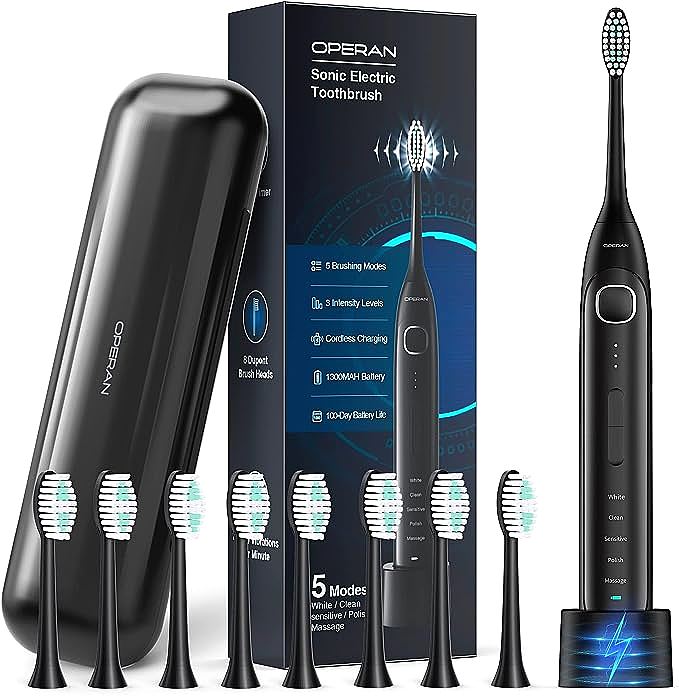
Sonic Science: How 40,000 VPM Transforms Oral Health
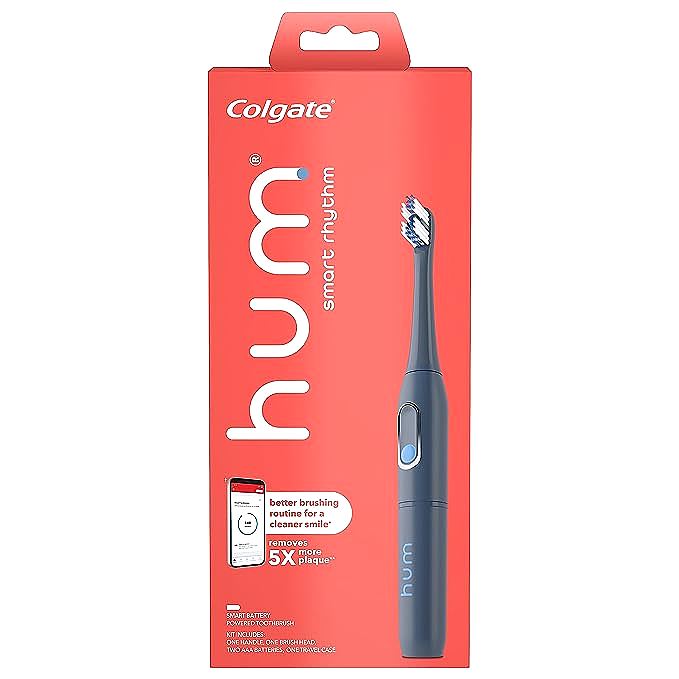
The Feedback Loop: Engineering Better Hygiene Habits with Sonic Precision and Data

The Geometry of Hygiene: Engineering the Perfect 45-Degree Clean and Sonic Polishing at Home

The Nomadic Standard: Maintaining Clinical Oral Hygiene Without the Counter Space
Beyond the Buzz: The Physics of 40,000 VPM and the Democratization of Sonic Oral Care
Bridging the Hygiene Gap: The Science of Simultaneous Hydro-Mechanical Cleaning

Beyond Abrasion: The Engineering of Gentle Power in Modern Sonic Toothbrushes
