The Case for the Battery-Powered Toothbrush: Minimalism in Modern Oral Care
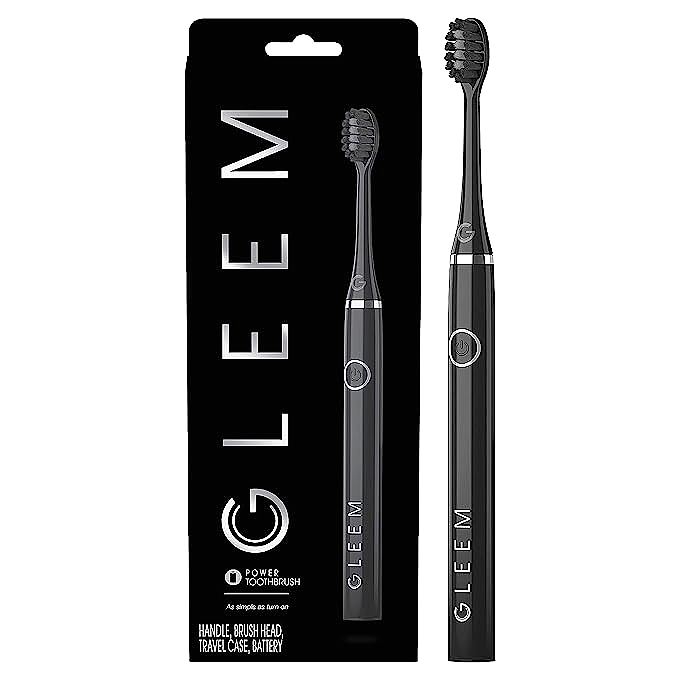
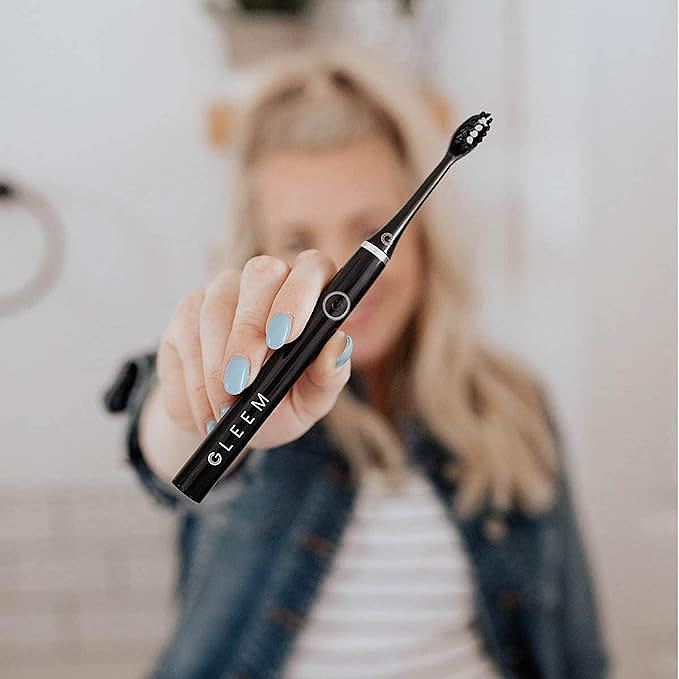
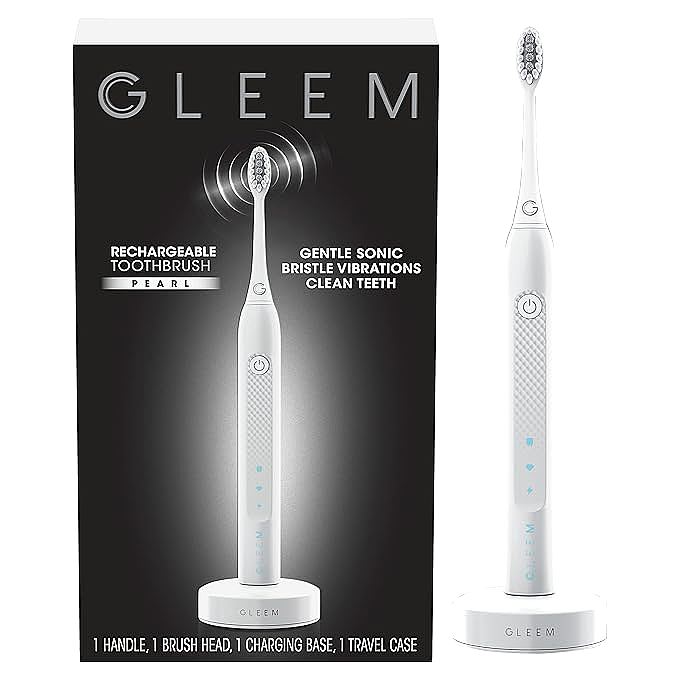
Gleem Battery Powered Electric Toothbrush
In an era where our wristwatches read emails and our refrigerators order groceries, the humble toothbrush has not been immune to the "smart" revolution. Store shelves are lined with devices boasting Bluetooth connectivity, pressure sensors, and dedicated apps that map your mouth in 3D. While these advancements have their place, there is a growing counter-movement in personal care that values simplicity, portability, and independence from the tyranny of charging cables.
This shift towards minimalism isn't about sacrificing hygiene; it's about refining it. It begs the question: Do we really need a microprocessor to clean our teeth, or is the optimal solution a balance between advanced sonic technology and streamlined, analog usability?
The "Cord-Cutter" Advantage: Redefining Portability
One of the most significant friction points in modern oral care is power management. Proprietary chargers, varying global voltage standards, and the constant hunt for bathroom outlets can turn a high-end device into a travel burden. This is where the resurgence of the battery powered electric toothbrush finds its strongest argument.
Devices utilizing standard AAA batteries, such as the Gleem Battery Powered Electric Toothbrush, represent a liberating shift in design philosophy. By opting for a replaceable power source, the device sheds the bulk associated with internal lithium-ion batteries and charging coils. The result is a significantly slimmer profile—often weighing merely a few ounces—that mimics the ergonomics of a manual brush while delivering the efficacy of an electric one.
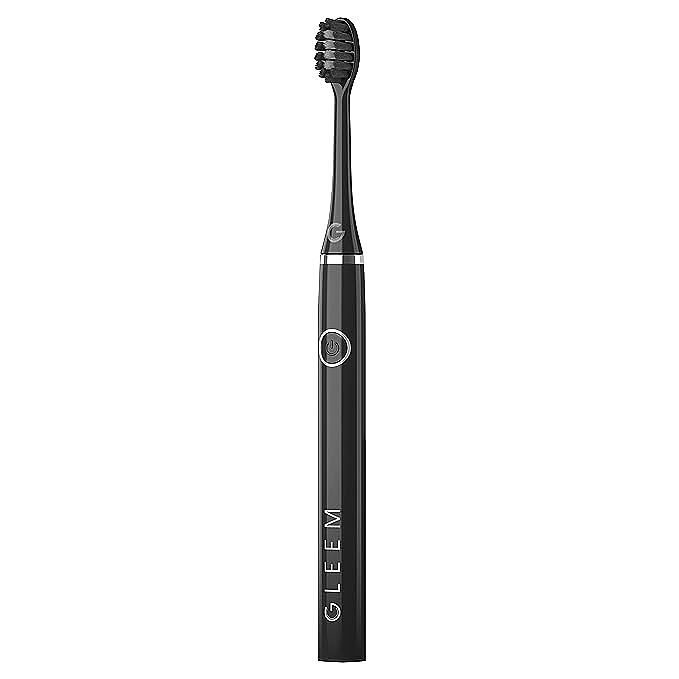
For the frequent traveler, this "cord-cutting" approach is transformative. There is no need to pack a dedicated charging base or worry about a dead battery mid-trip. A simple AAA battery is universally available, from a bodega in New York to a convenience store in Tokyo, ensuring that your hygiene routine remains uninterrupted regardless of your location. This is true "portability"—not just the ability to move a device, but the ability to sustain its function independently.
Decoding Sonic Technology: Efficiency Without Complication
The core differentiator between a manual scrub and an electric clean lies in the motor. However, consumers are often led to believe that "more modes" equals "better cleaning." The reality of dental mechanics is often simpler.
Effective cleaning relies primarily on two factors: frequency and consistency. A sonic vibration motor operates at a frequency designed to create dynamic fluid forces. This agitation drives toothpaste and saliva into the interdental spaces (between teeth) and along the gumline, areas that static bristles often miss.
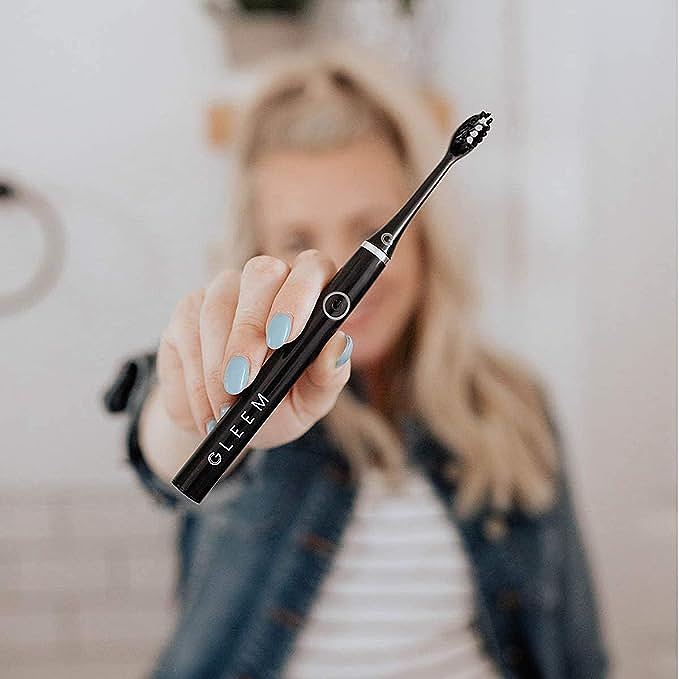
The engineering challenge, therefore, is not to provide ten different vibration patterns, but to provide one consistent, effective frequency. A streamlined device that offers a single, optimized mode removes the "decision fatigue" from the morning routine. It ensures that every time the button is pressed, the user receives the scientifically optimal vibration for plaque disruption. This focus on a singular, high-performance mode aligns with the principles of functional minimalism: doing one thing exceptionally well rather than many things mediocrely.
The Ergonomics of Hygiene: Why Form Factor Matters
Industrial design in oral care plays a subtle but critical role in hygiene. Many bulky rechargeable brushes feature rubberized grips which, while comfortable, can become magnets for mold and residue accumulation in humid bathroom environments.
A sleek, cylindrical design, often found in modern battery-operated models like the Gleem, offers a distinct hygienic advantage. A glossy, non-porous finish with minimal crevices allows the brush to dry quickly and be wiped down effortlessly. This reduces the biological load on the handle itself.
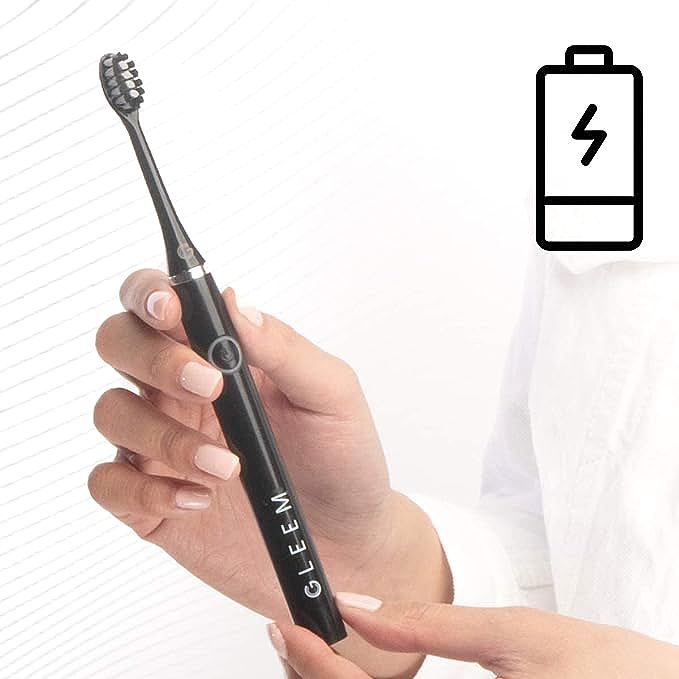
Furthermore, the physical dimensions of the brush head are paramount. A common critique of electric toothbrushes is the bulkiness of the head, which can make navigating the tight spaces around rear molars difficult. A compact brush head design allows for greater maneuverability, ensuring that the sonic vibrations are applied directly to the tooth surface without the plastic housing rattling against opposing teeth. This precision is essential for preventing enamel abrasion and ensuring a comprehensive clean.
The Behavioral Science of the Timer
If there is one "smart" feature that is non-negotiable, it is the timer. Dental professionals consistently cite insufficient brushing time as a primary cause of oral health issues. The standard recommendation is two minutes, yet the average person brushing manually often stops after 45 seconds.
Integrating a 2-minute timer with interval pacing (typically 30-second pulses) is not a gadget gimmick; it is a behavioral guide. It outsources the mental counting to the device, enforcing discipline on the user. This feature transforms brushing from a haphazard activity into a structured regimen. By dividing the mouth into quadrants and dedicating equal time to each, users ensure uniform plaque removal. Even in a simplified, battery-operated device, maintaining this specific electronic feature is crucial for bridging the gap between intention and execution.
Bristle Engineering: The Soft Approach
Finally, the interface between the machine and the body—the bristles—requires careful consideration. There is a persistent myth that stiffer bristles clean better. In reality, soft nylon bristles with end-rounded filaments are the gold standard for safety.
Sonic technology relies on the speed of movement, not the hardness of the bristle, to dislodge debris. Soft bristles act as a gentle conduit for this energy, sweeping over the enamel and massaging the gums without causing micro-trauma or recession. When selecting a brush, prioritizing high-quality nylon that resists bacterial growth and maintains its shape is vital for long-term oral health.
In conclusion, optimizing your oral hygiene routine doesn't necessarily require an investment in the most expensive technology available. By understanding the mechanics of sonic cleaning and prioritizing features that offer genuine utility—like portability, hygienic design, and timed guidance—you can achieve a professional-level clean. Devices like the Gleem serve as excellent examples of this philosophy, proving that sometimes, the smartest choice is also the simplest.
Gleem Battery Powered Electric Toothbrush
Related Essays
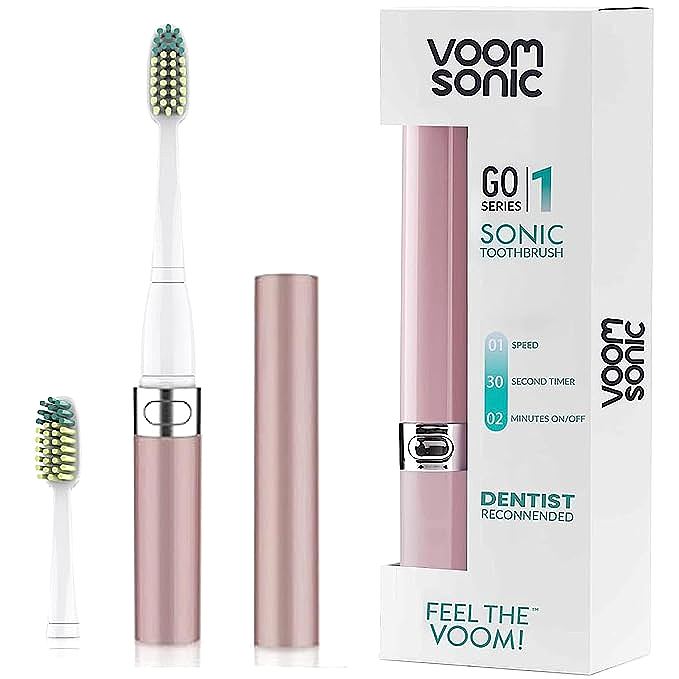
The Traveler's Edge: Are Battery-Powered Sonic Toothbrushes Effective?
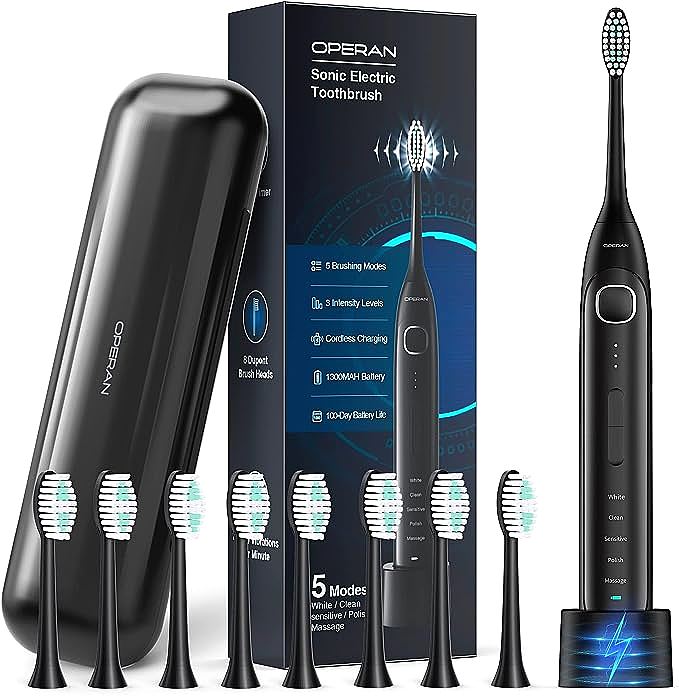
Sonic Science: How 40,000 VPM Transforms Oral Health
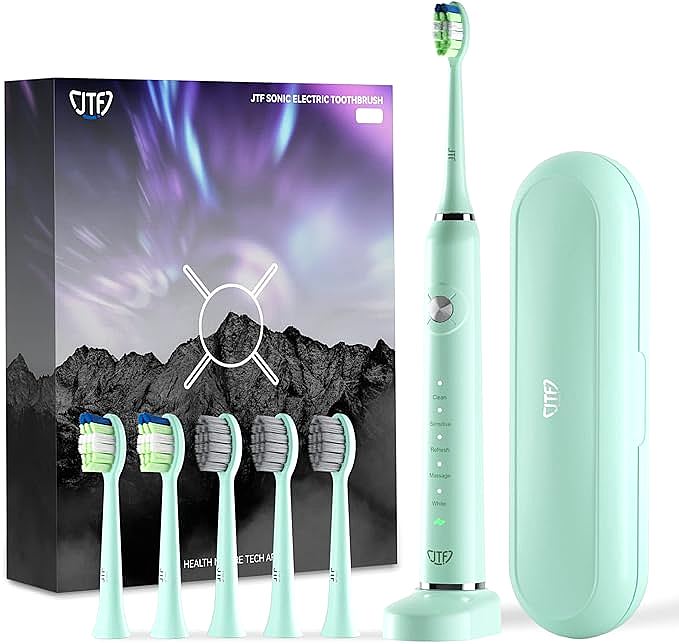
The Sonic Democratization: Why Premium Oral Care No Longer Demands a Premium Price

Dopamine Hygiene: Assessing the Intersection of Pop Culture and Sonic Cleaning Technology

Hydro-Kinetic Freedom: Mastering Oral Biofilm Control with Advanced Cordless Irrigation
Minimalism in Motion: Deconstructing the Efficacy of Sonic Design

Beyond the Bristles: An Engineer's Look at the Voom Sonic Pro 5 and the Science of a Deeper Clean

The Bitvae S3 Sonic Toothbrush: Deconstructing the Tech Behind a Smarter, Safer Clean

The SunnyNest Toothbrush Equation: Is Its 90-Day Battery Life Worth the Trade-offs?
