The Motor Skill Gap: Bridging Pediatric Oral Health with Oscillating Technology
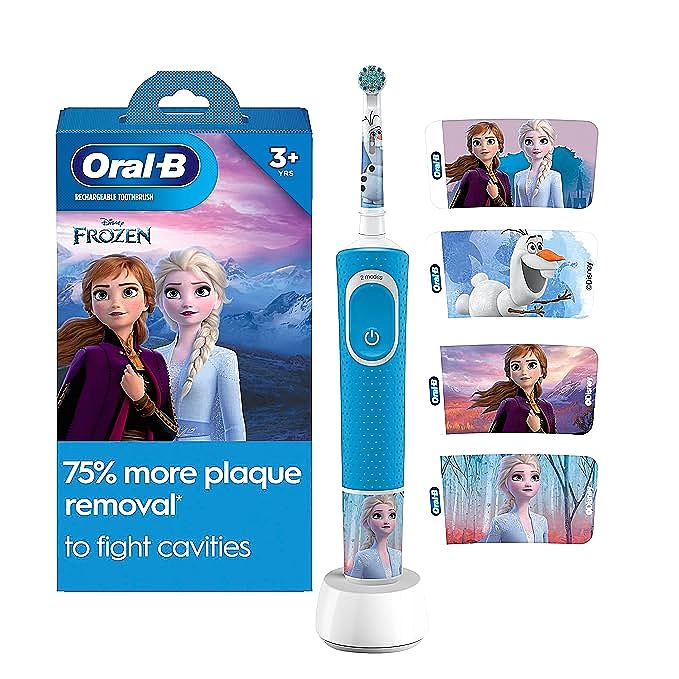
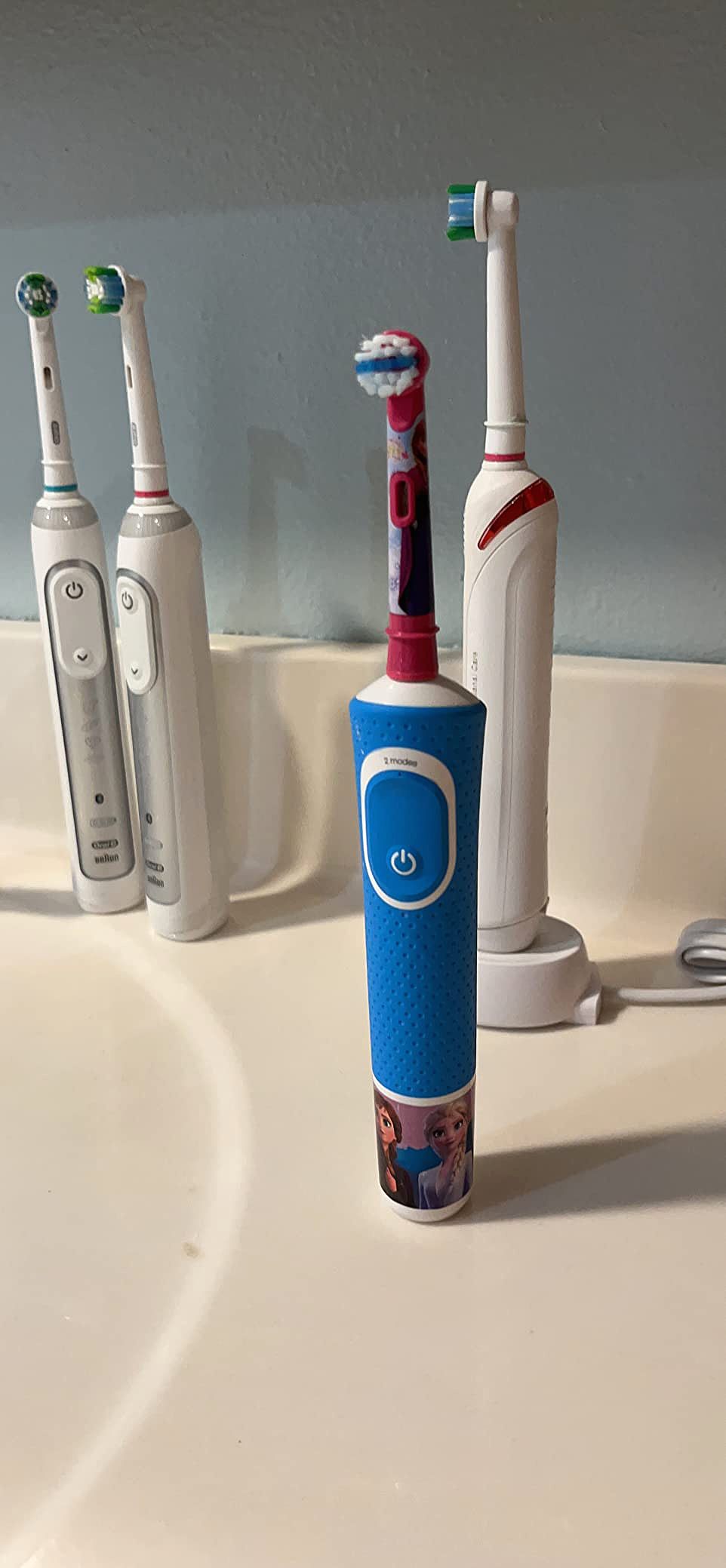
Oral-B Kids Electric Toothbrush Featuring Disney's Frozen for Kids 3+
In the realm of early childhood development, we celebrate milestones: the first step, the first word, the first time tying a shoelace. Yet, there is a critical developmental gap that often goes unnoticed until a dentist points out a cavity: the gap between a child’s desire to be independent and their physiological ability to brush their teeth effectively.
For parents, the "brushing battle" is a daily ritual. But viewed through the lens of ergonomics and physiology, the struggle isn't just behavioral—it’s biomechanical. Children under the age of seven typically lack the fine motor skills and manual dexterity required to execute the complex "Bass Method" (the gold standard of manual brushing). This is where technology steps in, not merely as a luxury, but as a functional prosthetic for developing hands.
To understand this dynamic, we analyze the engineering behind the Oral-B Kids Electric Toothbrush series, using it as a case study in how device design addresses biological limitations.
The Anatomy of the Problem: Tiny Teeth, Big Challenges
Primary teeth (baby teeth) have thinner enamel than permanent teeth, making them more susceptible to the acid attacks caused by sugar-metabolizing bacteria (plaque biofilm). The challenge is that removing this biofilm requires precise, angulated movements that small wrists cannot yet perform.
When a child uses a manual brush, they often resort to a "scrubbing" motion—vigorous horizontal strokes. While this feels productive, it often misses the interdental spaces and the gumline, where plaque thrives.
The Oscillating Solution: Engineering for Dexterity
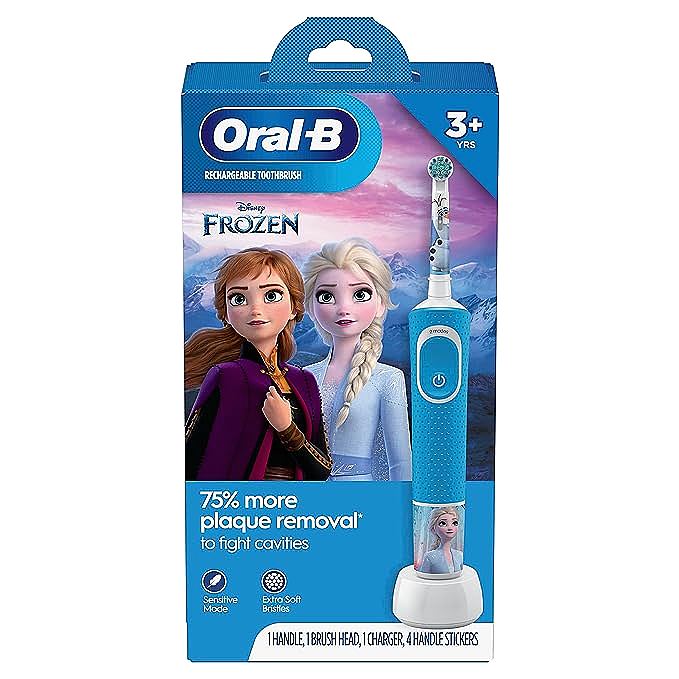
This is where the oscillating-rotating technology found in the Oral-B Kids model differentiates itself from simply being a "vibrating brush." Unlike sonic brushes that vibrate side-to-side, an oscillating head rotates back and forth at high speeds.
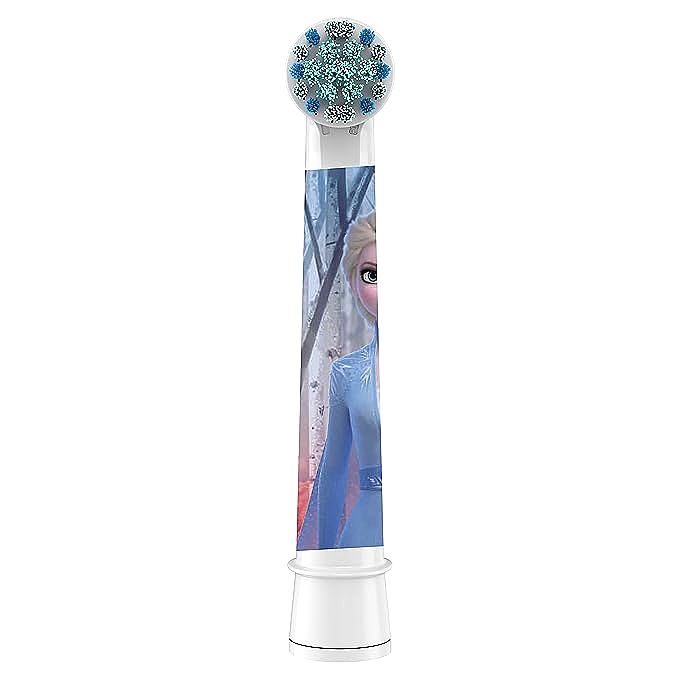
From a physics perspective, this motion creates shear forces that disrupt the biofilm structure without requiring the user to perform complex strokes. The round brush head is essentially a "cup" designed to envelop a single tooth. * The Benefit: The child only needs to master navigation (moving the brush from tooth to tooth), while the device handles the agitation (cleaning). This significantly lowers the motor skill barrier, allowing a 3-year-old to achieve a level of clean that would otherwise require the dexterity of an 8-year-old.
Gamification: The Neurochemistry of Habit Formation
Engineering solves the physical problem, but what about the psychological one? Establishing a hygiene routine involves fighting against a child’s perception of time. Two minutes can feel like an eternity to a preschooler.
The integration of thematic elements—such as the Disney Frozen branding and stickers—is not superficial decoration; it is a strategic application of gamification. By allowing a child to customize the handle with stickers of Elsa or Olaf, the device transitions from a "medical tool" to a "personal toy."
Furthermore, the feedback loop provided by the built-in timer utilizes haptic cues (stuttering vibrations) to signal transitions. This teaches the concept of "quadrants" in the mouth. When paired with visual aids like the Disney Magic Timer App, the routine taps into the brain's dopamine reward system. The "reveal" of a picture after brushing reinforces the behavior, transforming a chore into a challenge-reward cycle.
Hardware Hygiene: Understanding Fluid Dynamics
A common observation among users of electric toothbrushes involves the accumulation of residue or "mold" inside the brush head connection. This is frequently cited in user feedback but is rarely explained properly.
This phenomenon is not a defect of the plastic, but a result of capillary action. Water, toothpaste, and saliva can be drawn into the small gap between the oscillating shaft and the brush head. If left in a damp bathroom environment, this becomes a breeding ground for bacteria.
The Protocol for Prevention:
Maintenance of high-performance tools requires specific protocols. To prevent buildup:
1. Disengage: Remove the brush head from the handle after every use.
2. Rinse: Run water through the hollow shaft of the head and over the metal pin of the handle.
3. Separate: Store the head and handle separately to allow airflow to dry the internal cavities.
This "Disassemble & Dry" method is the only effective way to combat the physics of moisture retention in bathroom environments.
Power Management and Expectations
In the age of lithium-ion dominance, the charging behaviors of inductive systems can seem archaic. The Oral-B Kids unit typically utilizes a NiMH (Nickel-Metal Hydride) battery, common in safety-focused bathroom appliances due to their stability.
Users should note that these batteries benefit from a "top-up" charging strategy—leaving the brush on the charger when not in use ensures consistent power delivery for the motor's torque. Unlike phones, the priority here is not standby time, but consistent rotational speed during the crucial 2-minute cleaning window.
Conclusion: The Tool as a Teacher
When selecting oral hygiene instruments for children, we must look past the packaging. The Oral-B Kids Electric Toothbrush serves as a prime example of how clinical engineering can be adapted for pediatric needs. It provides the mechanical advantage of oscillation to counter limited dexterity, and the psychological advantage of gamification to bridge the attention span gap.
Investing in such technology is not about automating the process to make it "lazy," but about providing a scaffold that supports a child’s journey toward lifelong oral health. By understanding the science behind the rotation and the necessity of proper maintenance, parents can turn a daily struggle into a masterclass in hygiene.
Oral-B Kids Electric Toothbrush Featuring Disney's Frozen for Kids 3+
Related Essays

Sonic Polish: The Mechanical Engineering of Stain Removal and Ecosystem Logistics