Beyond the Bristles: The Fluid Dynamics of Sonic Oral Hygiene and the Physics of Biofilm Disruption

PHILIPS Sonicare 4500 Toothbrush HX6827/11
For over a century, the paradigm of oral hygiene was defined by a simple mechanical interaction: the friction of bristles against enamel. This "scrubbing" model, while effective for accessible surfaces, suffers from the limitations of solid mechanics. Bristles cannot penetrate solid matter, nor can they squeeze into spaces smaller than their own diameter without applying potentially damaging force. The evolution of the electric toothbrush, specifically the advent of sonic technology, represented a fundamental shift from solid mechanics to fluid dynamics.
Devices like the PHILIPS Sonicare 4500 are often categorized merely as "fast toothbrushes," but this description belies the complex physics at play. By oscillating at high frequencies, these instruments do more than just scrub; they energize the fluids within the oral cavity—saliva, water, and toothpaste—transforming them into active cleaning agents. This article dissects the science of dynamic fluid action, exploring how acoustic energy and shear forces disrupt bacterial biofilms in the hidden topography of the human mouth.
The Limitations of Mechanical Scrubbing
To appreciate the necessity of sonic technology, one must first understand the adversary: dental plaque biofilm. This is not merely food debris but a complex, organized community of bacteria embedded in a sticky extracellular matrix. * The Interproximal Challenge: The spaces between teeth (interproximal areas) and the gingival sulcus (the pocket between tooth and gum) are often narrower than the bristles of a manual toothbrush. * The Force Paradox: To force bristles into these tight spaces, users often apply excessive pressure. While this might mechanically dislodge some plaque, it frequently causes gingival recession (wearing away of the gums) and cementum abrasion (wearing away of the softer root surface). The manual brush faces a trade-off: gentle and ineffective, or aggressive and damaging.
The Physics of Sonic Vibration: Frequency and Amplitude
The term "sonic" in dentistry refers to the frequency of the brush head's movement. The Philips Sonicare system typically operates at around 260 Hz, which translates to approximately 31,000 brush strokes per minute (or 62,000 movements). However, frequency alone is not the key. The efficacy of sonic cleaning relies on the precise combination of frequency and amplitude (the distance the bristles travel).
The Resonance Factor
The brush head is engineered to resonate. The drive mechanism—often a magnetic voice coil or piezo-ceramic actuator—creates a vibration that is amplified by the brush shaft. * Tip Velocity: The tips of the bristles move at high velocities. When this high-speed motion occurs within a fluid medium (the mixture of toothpaste and saliva), it creates significant hydrodynamic forces. * Non-Contact Cleaning: Unlike rotary brushes that rely primarily on mechanical contact, sonic brushes generate a secondary cleaning effect known as non-contact cleaning. This phenomenon extends the cleaning range 2-4 millimeters beyond the physical reach of the bristles.
Hydrodynamic Shear Stress: The Invisible Scrub
The primary mechanism of this non-contact cleaning is Fluid Dynamic Shear Stress. * The Mechanism: As the bristles oscillate rapidly, they drag the surrounding fluid layers with them. Due to the viscosity of the fluid, this creates a velocity gradient. The fluid closest to the bristles moves fastest, while fluid further away moves slower. * Shear Force: This difference in velocity creates shear stress within the fluid. When this energized fluid rushes past the tooth surface or into the periodontal pocket, the shear stress exerted on the bioflim can exceed its cohesive strength. * Biofilm Disruption: The fluid forces tear the bacterial colony apart, lifting it from the tooth surface and flushing it away. This allows the Sonicare 4500 to clean deep into the interdental spaces and below the gumline where the bristles physically cannot touch.

Micro-Bubbles and Acoustic Energy
In addition to shear stress, the high-frequency vibration generates micro-bubbles. * Cavitation-Like Effects: While not true ultrasonic cavitation (which requires frequencies >20 kHz and can damage tissue), the intense agitation creates a foamy, oxygenated mixture. The rapid formation and collapse of these bubbles release localized energy. * Oxygenation: This oxygen-rich foam is propelled into the anaerobic (oxygen-poor) environments of the periodontal pockets. Many periodontal pathogens, such as Porphyromonas gingivalis, are obligate anaerobes—oxygen is toxic to them. By forcing oxygenated fluid into these pockets, the sonic action disrupts the ecological niche of these harmful bacteria.
Biological Interaction: Gums and Enamel
The interaction between this high-energy fluid and the biological tissues is a critical area of study. * Gingival Stimulation: The pulsing fluid acts as a micro-massage for the gum tissue. This mechanical stimulation can increase blood flow (micro-circulation) in the gingiva, promoting healing and reducing inflammation (gingivitis). * Enamel Preservation: Because fluid dynamics do a significant portion of the work, the user does not need to apply heavy mechanical pressure. This significantly reduces the risk of abrasion. The Sonicare 4500's pressure sensor complements this physics by alerting the user if they revert to "manual scrubbing" habits, ensuring the fluid dynamics are allowed to work without destructive force.
The Role of Brush Head Geometry
The physics of the fluid are intimately tied to the geometry of the brush head. * Bristle Tapering: High-quality sonic heads often feature tapered bristles. These thinner tips are more flexible, allowing them to whip at higher velocities, thereby generating stronger local fluid currents. * Contoured Profiles: The bristles are often trimmed in a wavy profile to match the natural curvature of the teeth. This ensures that the fluid coupling is maintained across the entire dental arch, preventing gaps where the energy could dissipate ineffectively.
Conclusion: A Scientific Standard for Oral Health
The transition to sonic oral hygiene is not merely an upgrade in convenience; it is an adoption of a superior physical cleaning principle. By harnessing the power of fluid dynamics, devices like the PHILIPS Sonicare 4500 transcend the limitations of the physical bristle. They extend the reach of hygiene into the microscopic and sub-gingival realms, attacking biofilm with the relentless physics of shear stress and fluid velocity. In doing so, they offer a scientifically validated path to reducing gingivitis and preserving the long-term integrity of the oral cavity.
PHILIPS Sonicare 4500 Toothbrush HX6827/11
Related Essays
Beyond Mechanical Scrubbing: The Fluid Dynamics of Biofilm Disruption and the Science of Micro-Bubble Cavitation
Hydrodynamic Resonance: The Physics of Non-Contact Cleaning and the Fluid Dynamics of Sonic Dentistry

The Mechanics of Delicacy: Low-Pressure Hydrodynamics in Tonsillar and Periodontal Care

The Biofilm Breaker: How Sonic Cavitation and Hydrodynamics Redefine Oral Health
The Clinical Standard: Hydrodynamic Shear Stress and Gingival Microcirculation
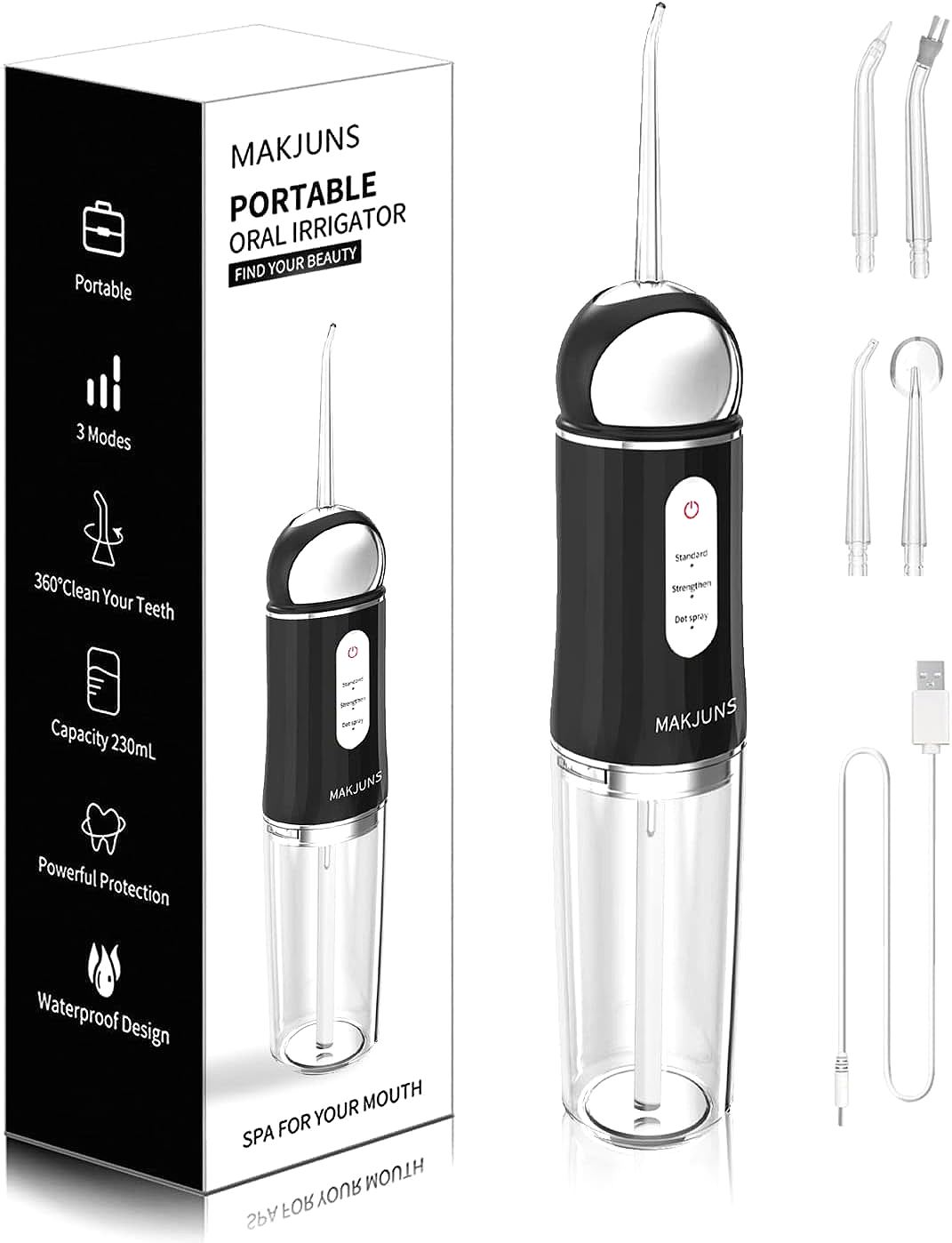
Democratizing Dental Health: The Science of Accessibility in Portable Water Flossing

Beyond Brushing: The Hydrodynamics of Pulsation and Biofilm Management
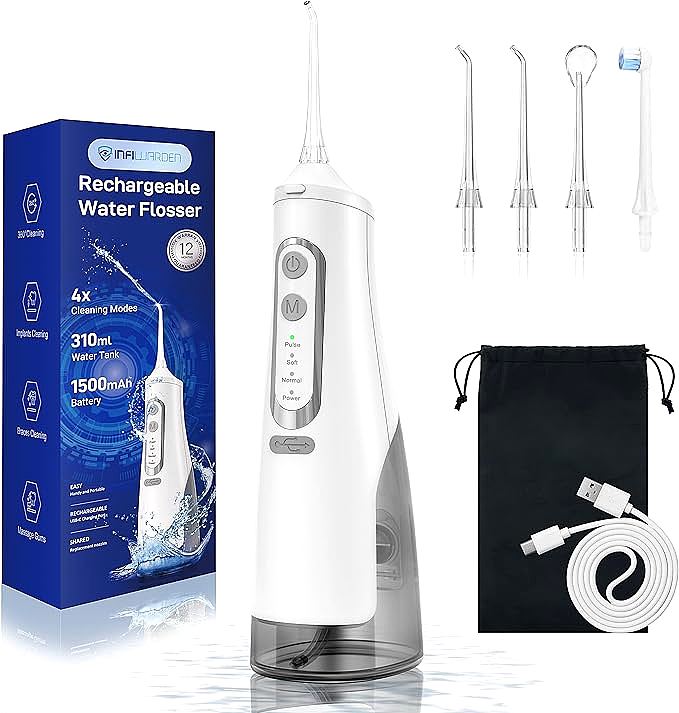
Fluid Dynamics & Oral Health: The Engineering of Cordless Irrigation

The Physics of Oral Hygiene: Understanding Sonic Technology and Biofilm Control