Beyond Abrasion: The Engineering of Gentle Power in Modern Sonic Toothbrushes

Philips Sonicare ProtectiveClean 5300 Rechargeable Electric Toothbrush
The paradox of oral hygiene is that the very act designed to save our teeth can, if performed incorrectly, destroy them. Gingival abrasion—the recession of gums caused by aggressive mechanical scrubbing—is a prevalent issue, often stemming from the user's misguided belief that "harder is cleaner." This misconception transforms the daily ritual of brushing from a preventative measure into a source of micro-trauma.
The solution lies not just in softer bristles, but in a fundamental rethinking of how energy is applied to the tooth surface. Devices like the Philips Sonicare ProtectiveClean 5300 represent a shift in this engineering philosophy. They move away from simple mechanical friction toward a model of controlled sonic energy, aiming to decouple cleanliness from physical force.
The Physics of "Non-Contact" Cleaning
To understand the protective capability of a sonic toothbrush, we must look at the fluid dynamics generated by 62,000 brush movements per minute. This is not merely a vibration; it is a high-frequency oscillation that fundamentally alters the behavior of liquids in the mouth.
- Acoustic Streaming: The rapid movement of the bristles whips saliva, water, and toothpaste into a turbulent, oxygenated foam. This creates dynamic fluid forces capable of penetrating deep into the interdental spaces (between teeth) and the gingival sulcus (the gum pocket).
- Shear Force without Scrubbing: Crucially, this fluid turbulence generates shear stress on the biofilm (plaque) attached to the teeth. It disrupts the bacterial colonies without the bristles necessarily needing to scrape the surface aggressively. This "non-contact" cleaning potential is the key to maintaining hygiene without abrading the delicate gingival tissue.

Cybernetics and Muscle Memory: The Pressure Sensor
The most significant variable in oral care is the human operator. Even with the best tool, a "heavy hand" can cause damage. The integration of a Pressure Sensor in the ProtectiveClean 5300 transforms the device into a biofeedback loop.
- The Feedback Mechanism: When the sensor detects force exceeding a safe threshold, the handle pulses (changes vibration pattern). This haptic feedback serves as an immediate, non-verbal cue to the brain.
- Behavioral Modification: Over time, this signal retrains the user's muscle memory. It shifts the brushing technique from a manual "scrubbing" motion to a passive "guiding" motion, where the user simply navigates the brush while the sonic motor performs the work. This feature effectively acts as a set of "training wheels" for proper periodontal care.
Optimized Protocols: Modes as Treatments
Oral anatomy is diverse; enamel is hard, but gum tissue is soft and vascular. Treating them with the same mechanical intensity is scientifically flawed. The inclusion of distinct modes—Clean, White, and Gum Care—acknowledges this biological reality.
- Gum Care Mode: This setting typically modulates the amplitude and frequency of the vibration to provide a gentler, massaging effect. It stimulates microcirculation in the gingival tissue without subjecting it to the high-impact forces used for enamel polishing. This adaptability allows the user to tailor the energy output to their specific periodontal condition.

The RFID Factor: BrushSync and Efficacy
A toothbrush is a consumable medical instrument. As bristles wear, they become abrasive and less effective at disturbing biofilm. However, human memory is fallible, and replacement schedules are often ignored.
The BrushSync technology addresses this via Radio-Frequency Identification (RFID). A microchip in the brush head communicates usage data (time and pressure) to the handle. This turns the replacement cycle from a guess into a data-driven decision. By alerting the user exactly when the bristle fatigue point is reached, the system ensures that the physics of the clean remain consistent over time, preventing the use of degraded tools that could harm the gums.
Conclusion: A System for Protection
Adopting a device like the Philips Sonicare ProtectiveClean 5300 is an acknowledgment that oral health is a delicate balance. It requires power to disrupt plaque, but precision to protect tissue. By integrating fluid dynamics with haptic guidance, modern sonic technology offers a pathway to rigorous hygiene that honors the biological vulnerabilities of the mouth. It is not just about cleaning teeth; it is about preserving the foundation that holds them.
Philips Sonicare ProtectiveClean 5300 Rechargeable Electric Toothbrush
Related Essays

The Physics of Oral Hygiene: Understanding Sonic Technology and Biofilm Control
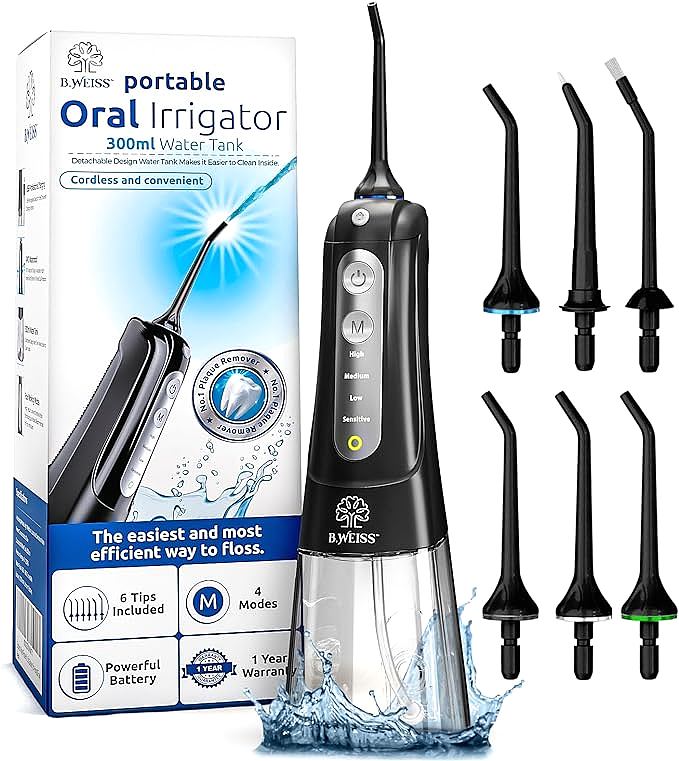
The Power Protocol: Harnessing High-Velocity Hydrodynamics for Deep Oral Cleaning
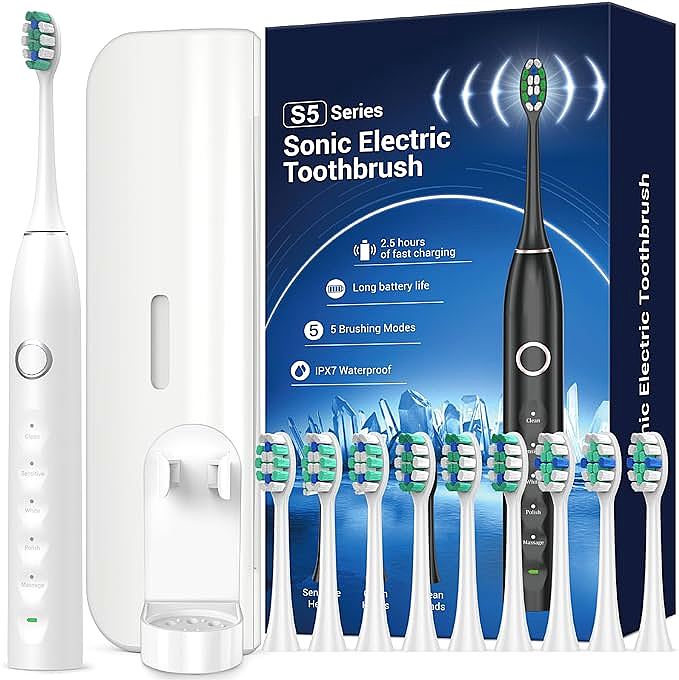
The Velocity of Clean: Deciphering 40,000 VPM and the Economics of Long-Term Oral Care
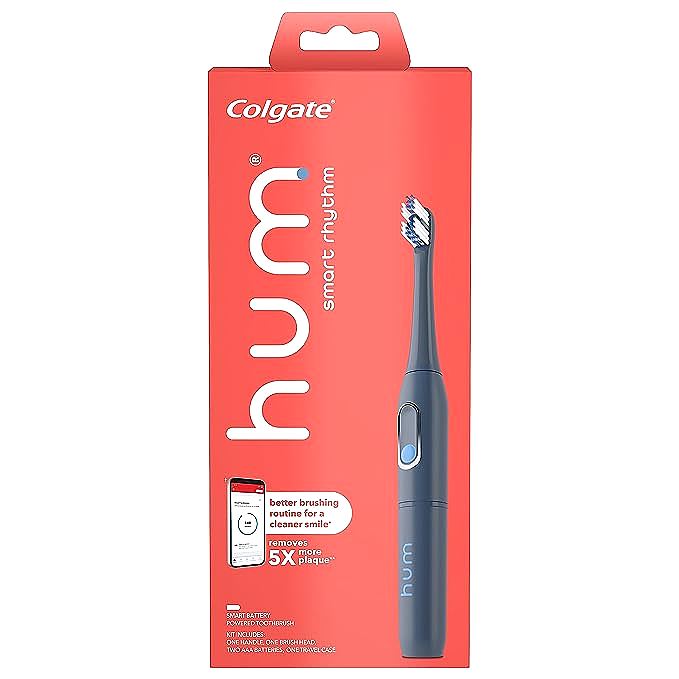
The Feedback Loop: Engineering Better Hygiene Habits with Sonic Precision and Data

The Geometry of Hygiene: Engineering the Perfect 45-Degree Clean and Sonic Polishing at Home
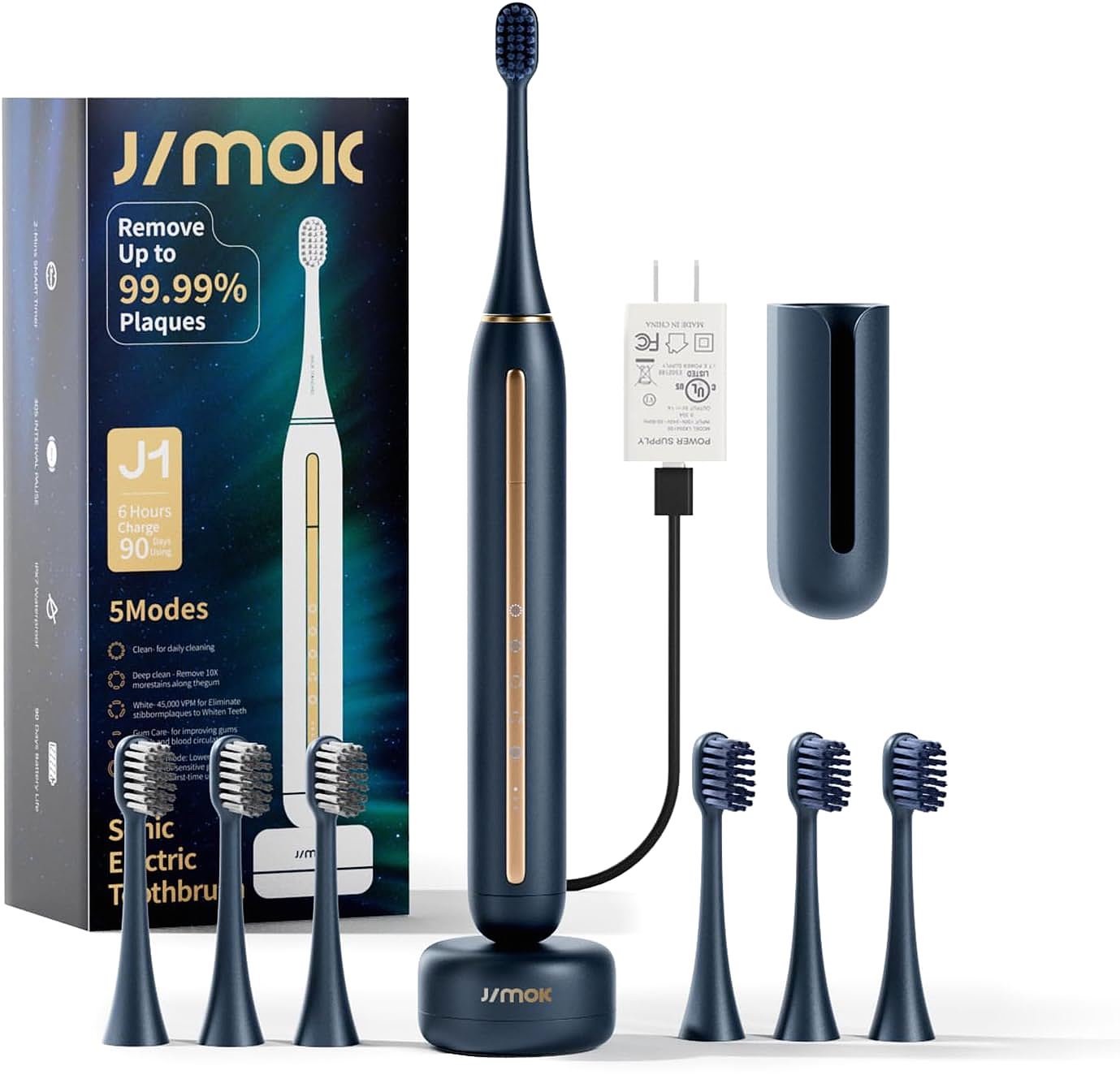
Beyond RPM: Decoding the Mechanics of High-Frequency Sonic Oral Care
The Sonic Shift: Understanding 42,000 VPM and the Sensory Adaptation to High-Frequency Hygiene
Beyond the Buzz: The Physics of 40,000 VPM and the Democratization of Sonic Oral Care
Bridging the Hygiene Gap: The Science of Simultaneous Hydro-Mechanical Cleaning
