Beyond RPM: Decoding the Mechanics of High-Frequency Sonic Oral Care
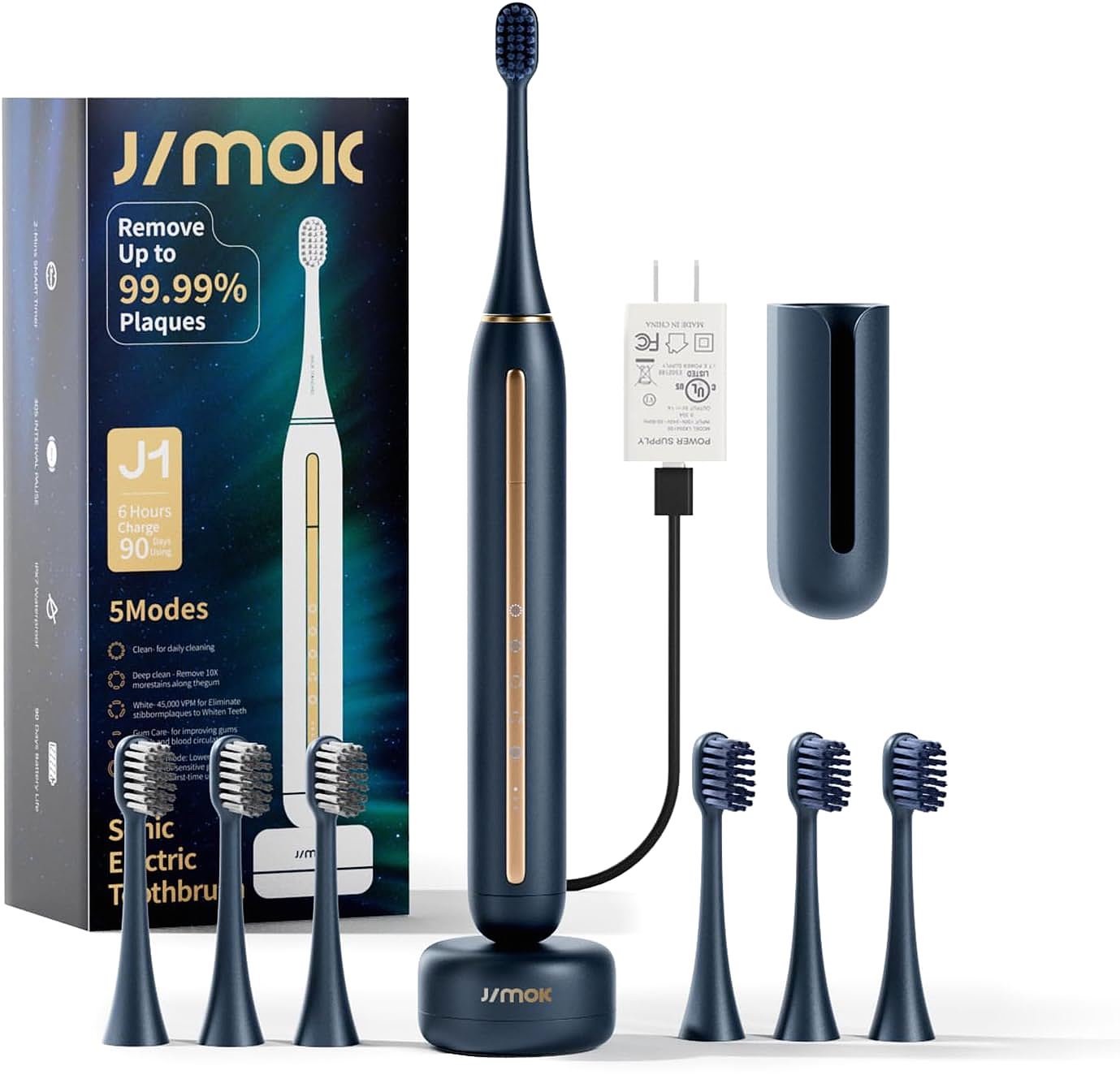
JIMOK J1 Sonic Electric Toothbrush
The evolution of personal oral hygiene has quietly shifted from a manual chore to a sophisticated interplay of engineering and biology. For decades, the metric for a "good" toothbrush was simple: ergonomic grip and durable bristles. Today, however, the landscape is dominated by motors, frequencies, and material science.
As consumers navigate an increasingly crowded market, specifications often become a blur of numbers. Devices like the JIMOK J1 Sonic Electric Toothbrush are entering the field with imposing figures—specifically, motor speeds reaching 45,000 vibrations per minute (VPM). But what do these numbers actually translate to in terms of clinical efficacy? To understand the value of modern oral care tools, we must look beyond the marketing bullet points and understand the mechanics of sonic cleaning.
The Physics of 45,000 VPM: Friction vs. Fluid Dynamics
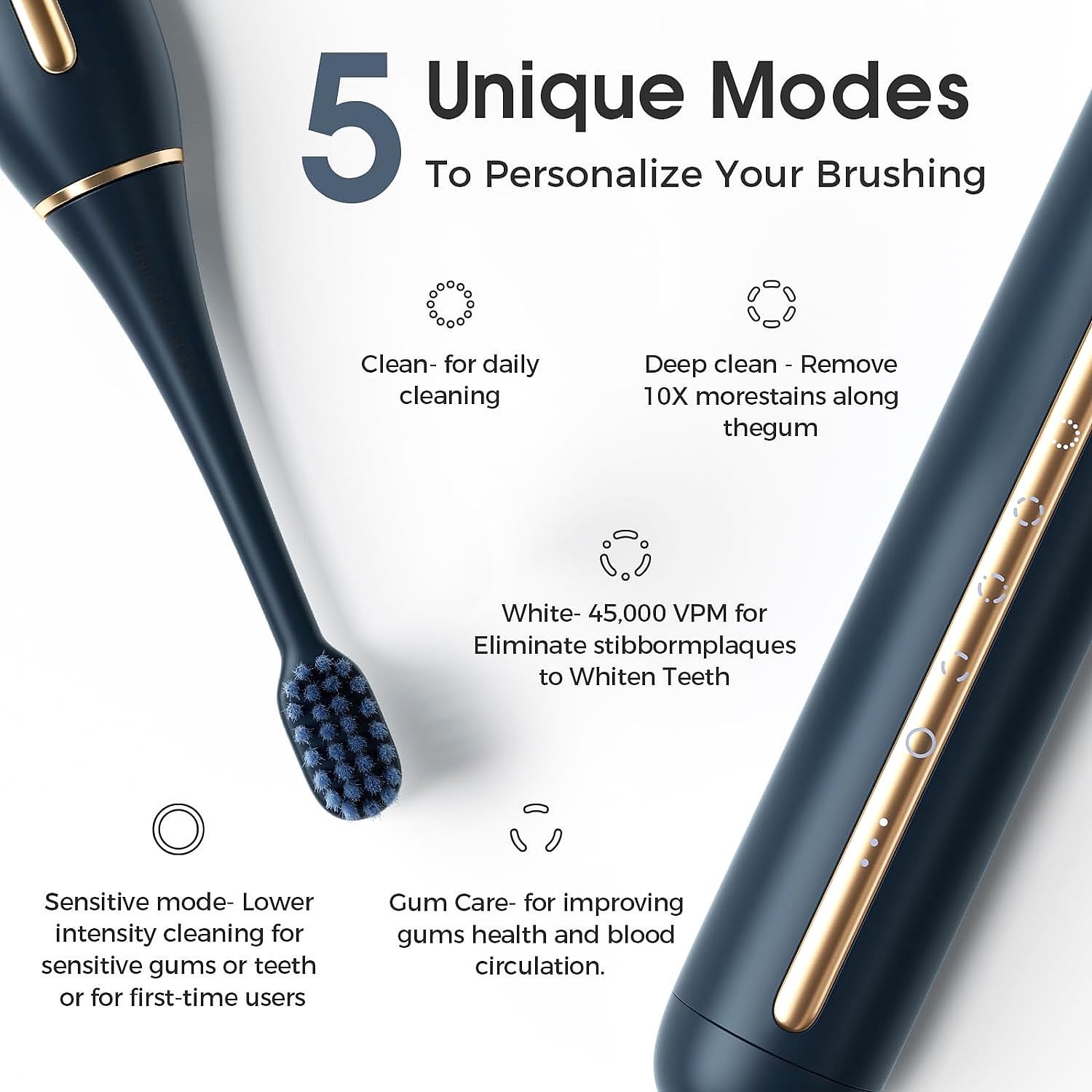
The primary distinction between a standard electric toothbrush and a "sonic" variant lies in the frequency of movement. When a motor operates at speeds exceeding 30,000 strokes per minute, it ceases to be merely a mechanical scrubber. It begins to exploit the physics of fluids.
High-frequency motors, such as the 45,000 VPM engine found in the JIMOK J1, create two distinct cleaning zones:
1. Secondary Cleaning Action: This is the physical contact of the bristles against the tooth surface, removing biofilm through friction.
2. Non-Contact Fluid Dynamics: This is the "sonic" advantage. The rapid oscillation creates intense turbulence in the mixture of saliva, water, and toothpaste. This turbulence generates microbubbles that are propelled into interdental spaces (between teeth) and along the gumline—areas where bristles physically cannot reach.
For the user, this means the efficacy of the device is not solely dependent on how hard they press (in fact, less pressure is often better), but on the consistency of the motor's frequency. A device capable of maintaining 45,000 VPM ensures that this "fluid drive" remains active throughout the brushing cycle, potentially disrupting plaque colonies up to 4 millimeters beyond the bristle tips.
Material Science: The "Softness Paradox"
There is a common misconception that a more powerful motor requires stiffer bristles to "scrub" harder. In the realm of high-frequency sonic care, the opposite is true. This is the Softness Paradox.
When a brush head vibrates 750 times per second (45,000 VPM / 60 seconds), kinetic energy transfer is massive. Stiff, abrasive bristles moving at this velocity could cause gingival recession or enamel abrasion. Therefore, the engineering challenge is to pair high-speed motors with filaments that are forgiving yet resilient.
Analyzing the configuration of the JIMOK J1 provides a clear example of this material balance. It utilizes a hybrid approach to brush heads: * DuPont™ Filaments: Historically the gold standard for durability and memory (returning to shape). These are typically used for structural integrity and surface polishing. * Toray™ Soft Bristles: Sourced from Toray Industries in Japan, these ultra-fine filaments are crucial for high-speed application. Their lower diameter allows them to transmit the high-frequency vibrations into the gum sulcus without acting like a saw blade against soft tissue.
For users transitioning to high-VPM devices, selecting the correct brush head is paramount. Those with sensitive gums benefit significantly from the Toray option, as it allows the motor to do the heavy lifting via fluid dynamics, rather than relying on the bristle stiffness for mechanical scraping.
The Utility of Endurance: Battery Density and Design
Another critical aspect of modern oral care engineering is energy density. Early generations of electric toothbrushes utilized Nickel-Metal Hydride (NiMH) batteries, which suffered from the "memory effect" and required frequent charging bases, often cluttering bathroom counters.
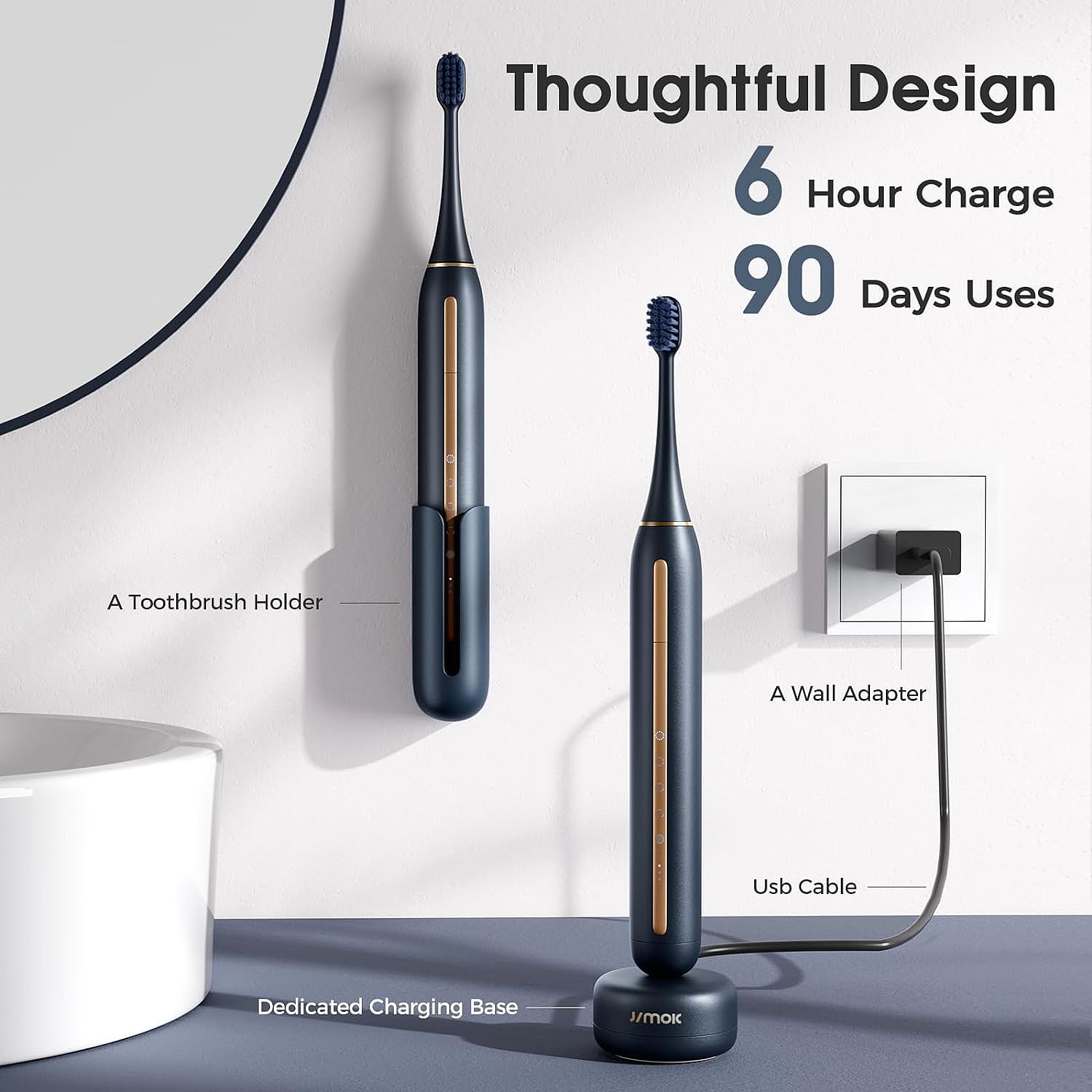
The current standard has shifted toward high-capacity Lithium-Ion architectures. The JIMOK J1 exemplifies this trend with a specification of 90 days of usage on a single charge. This is not merely a convenience feature; it is a sustainability and performance feature. * Consistent Power Delivery: Unlike older battery chemistries that drop in voltage (and thus motor speed) as they deplete, Li-Ion maintains a flatter discharge curve. This means the 45,000 VPM performance on day 80 is comparable to day 1. * Travel Readiness: The elimination of the daily charger reduces travel weight and complexity.
Environmental Durability and Hygiene
The bathroom is a hostile environment for electronics—high humidity, temperature fluctuations, and direct water exposure. The IPX7 Waterproof rating is an industrial standard indicating the device can survive submersion in water up to 1 meter deep for 30 minutes.
Beyond preventing electrical failure, this rating is vital for hygiene. A completely sealed unit allows for thorough rinsing of the handle, preventing the buildup of bacteria, toothpaste residue, and mold in seams or button crevices. For a device like the JIMOK J1, which features a sleek, button-integrated design, this waterproofing ensures the longevity of the internal components despite daily exposure to moisture.
Smart Pacing: The Behavioral Algorithm
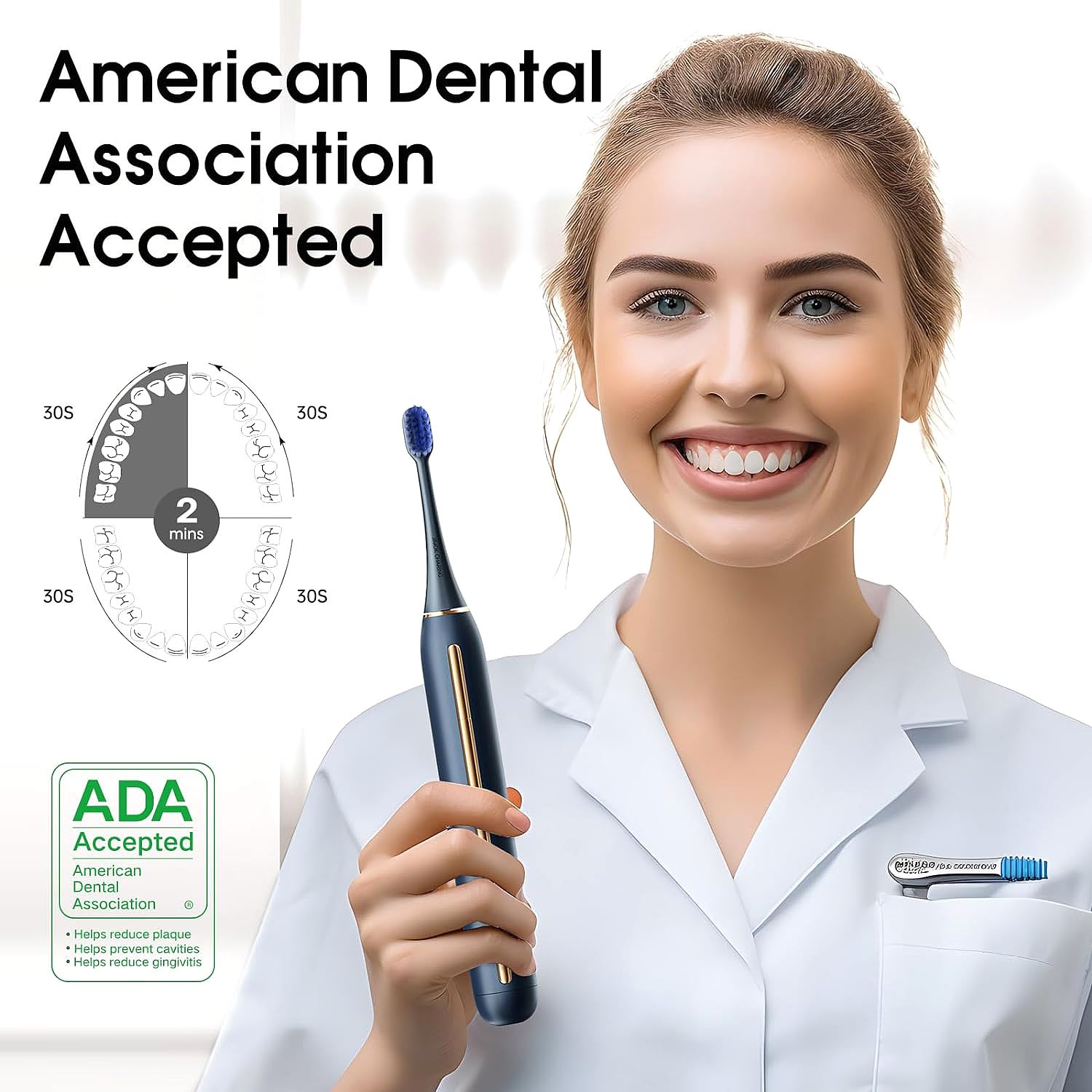
Finally, technology must address human behavior. Dental professionals universally recommend a two-minute brushing cycle, yet studies show the average person brushes for less than 45 seconds.
Sonic toothbrushes integrate "Quad-Pacing" timers to digitize this discipline. By pausing the vibration every 30 seconds, the device forces a cognitive shift in the user, prompting them to move from one quadrant of the mouth to the next. This ensures that the high-efficiency cleaning action is distributed evenly, preventing the common error of over-brushing the front teeth while neglecting the molars.
Conclusion: Informed Selection
The democratization of sonic technology means that high-performance specifications—45,000 VPM motors, advanced Toray/DuPont bristles, and multi-month battery life—are no longer exclusive to luxury price points. Devices like the JIMOK J1 serve as a testament to this shift, making advanced oral care accessible.
However, the tool is only as effective as the technique. Understanding the interplay between fluid dynamics and bristle softness allows users to harness the full potential of these devices. It is not about scrubbing harder; it is about letting the physics of high-frequency vibration create a healthier, cleaner environment for your teeth.
JIMOK J1 Sonic Electric Toothbrush
Related Essays
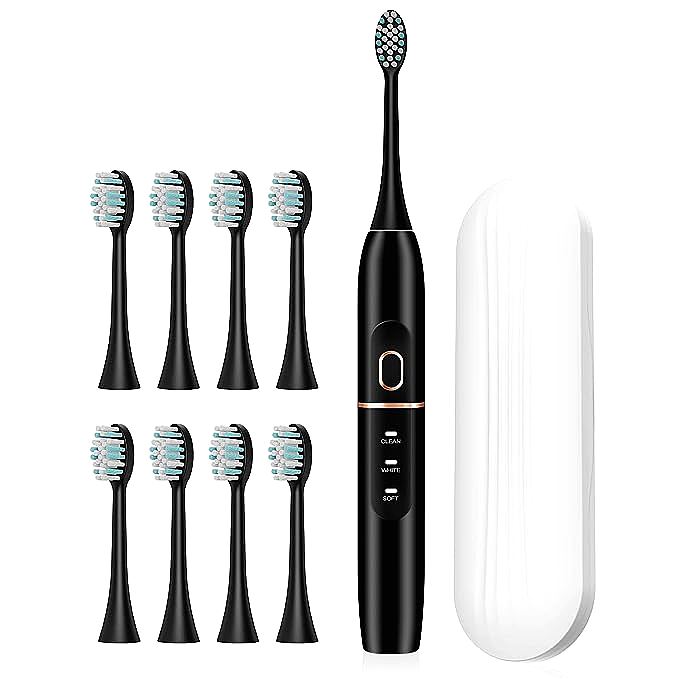
The Sonic Shift: Understanding 42,000 VPM and the Sensory Adaptation to High-Frequency Hygiene
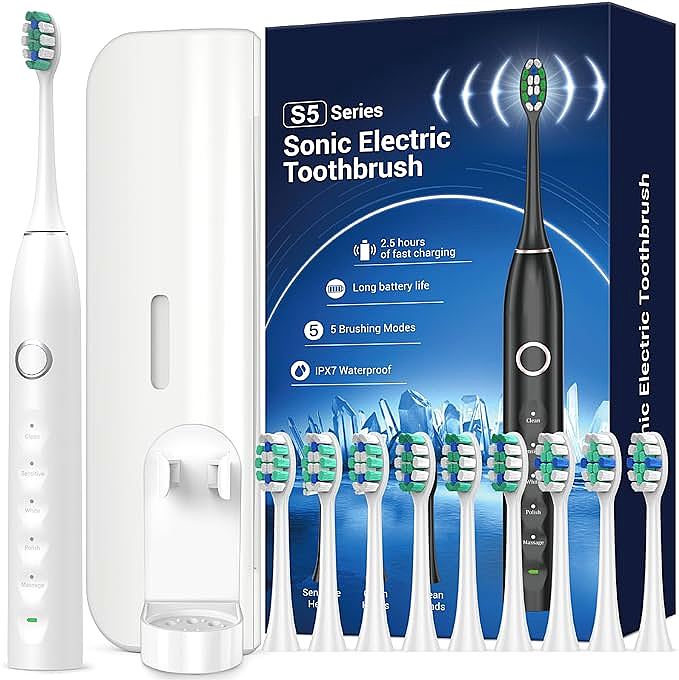
The Velocity of Clean: Deciphering 40,000 VPM and the Economics of Long-Term Oral Care
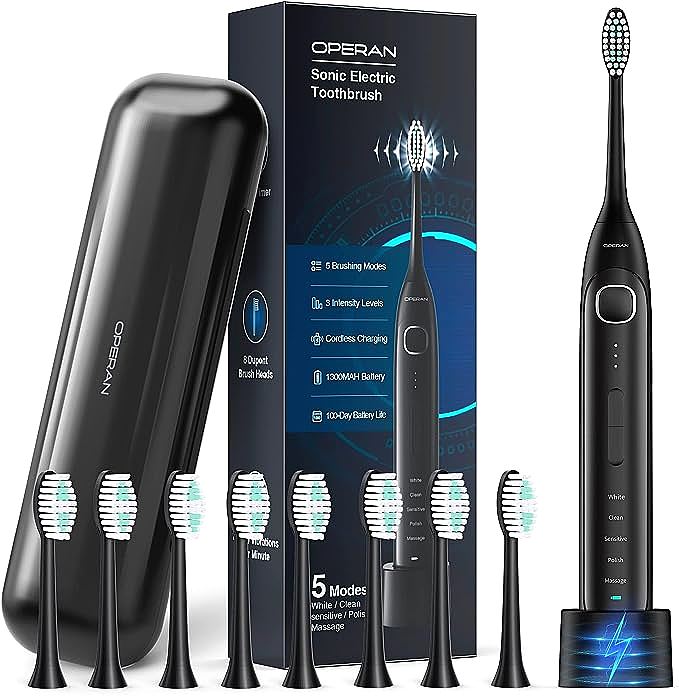
Sonic Science: How 40,000 VPM Transforms Oral Health
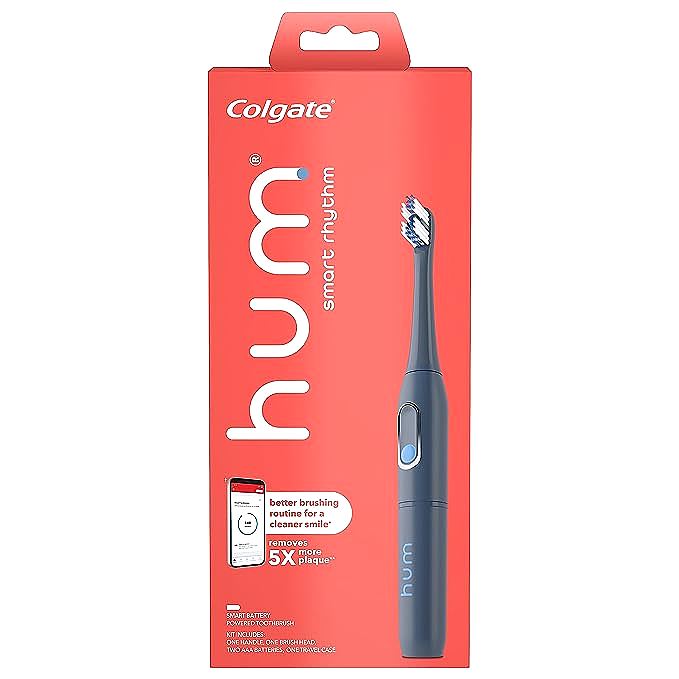
The Feedback Loop: Engineering Better Hygiene Habits with Sonic Precision and Data

The Geometry of Hygiene: Engineering the Perfect 45-Degree Clean and Sonic Polishing at Home

The Nomadic Standard: Maintaining Clinical Oral Hygiene Without the Counter Space
Beyond the Buzz: The Physics of 40,000 VPM and the Democratization of Sonic Oral Care
Bridging the Hygiene Gap: The Science of Simultaneous Hydro-Mechanical Cleaning

Beyond Abrasion: The Engineering of Gentle Power in Modern Sonic Toothbrushes
