The Hydrodynamic Protocol: Quantifying the Efficacy of Pulsed Irrigation
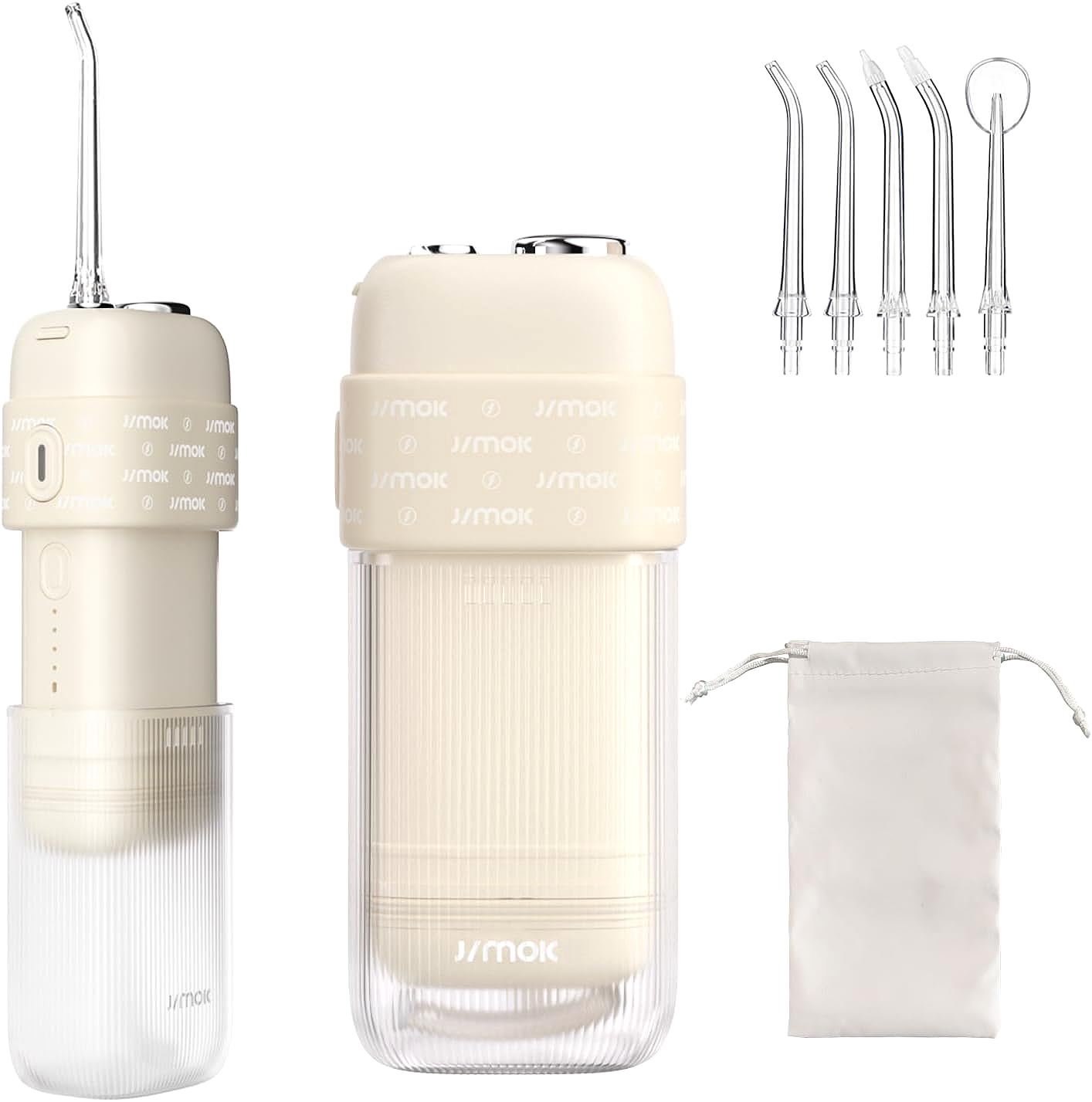
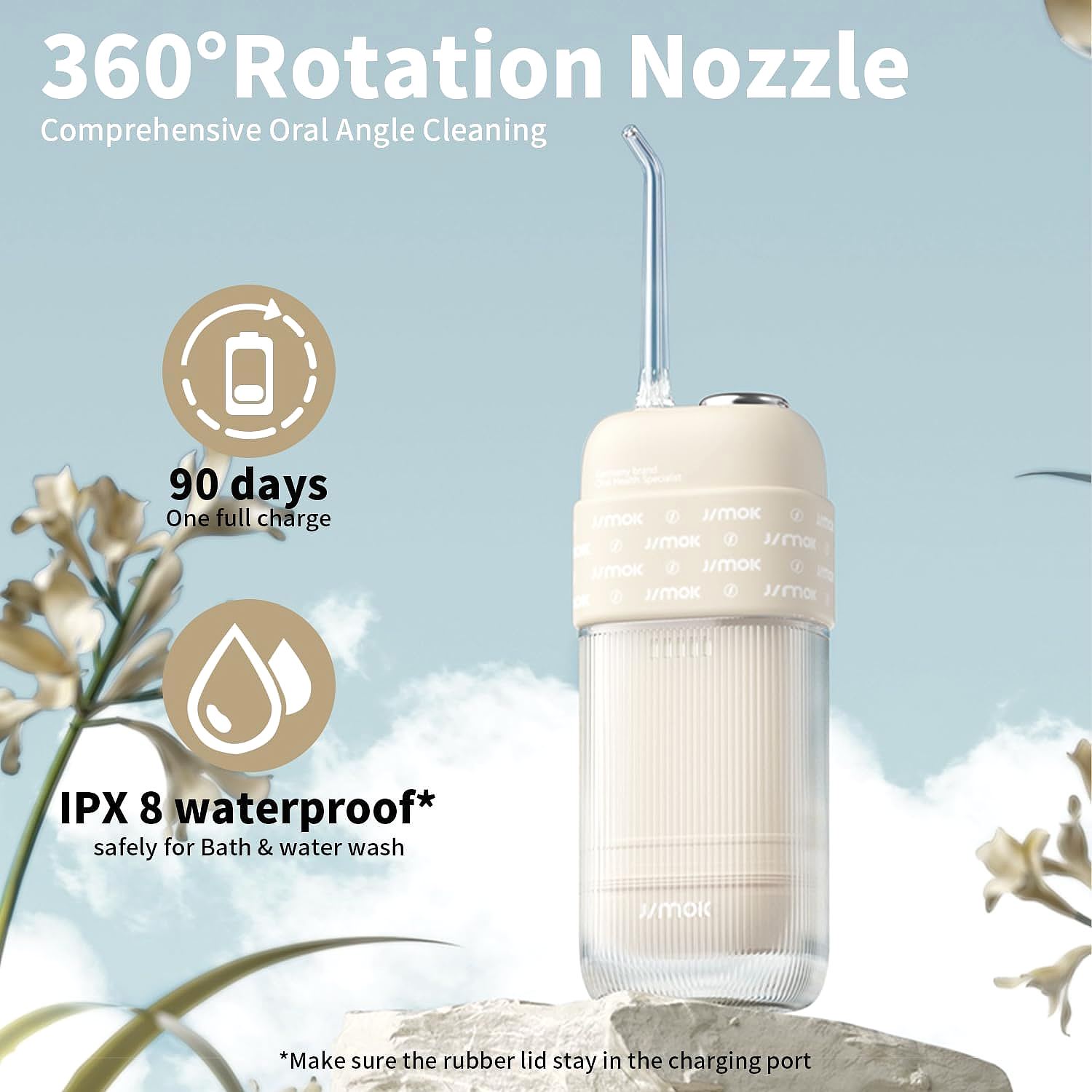
JIMOK S5 Portable Water Flosser
In the landscape of oral hygiene, the toothbrush is a surface-level instrument. It operates on the principle of mechanical abrasion, effectively scrubbing the visible 60% of the tooth structure. However, the etiology of periodontal disease lies in the remaining 40%—the interproximal spaces and the subgingival sulcus. Here, geometry renders bristles obsolete.
The solution requires a shift from solid-state mechanics to fluid dynamics. The water flosser (or oral irrigator) utilizes Hydrodynamic Shear Stress to extend the cleaning radius beyond physical contact points. The JIMOK S5 represents a miniaturization of this clinical technology, compressing a high-torque pump capable of 140 PSI into a handheld chassis. This analysis explores the physics behind why "pulsed water" succeeds where string and bristles fail.
The Mechanics of Pulsation: 1,400 Cycles of Decompression
The efficacy of a water flosser is not defined by pressure alone, but by the rhythm of that pressure. The JIMOK S5 operates at a frequency of 1,400 pulses per minute (PPM). This specific frequency is not arbitrary; it is the "Resonance Frequency" for gum tissue stimulation.
1. The Compression-Decompression Cycle
A continuous stream of water (Laminar Flow) applies constant pressure. While effective for rinsing, it can inadvertently impact debris deeper into the pocket if not angled perfectly.
Pulsation creates a dynamic environment:
* Phase A (Compression): The water packet strikes the tooth surface, creating a high-velocity impact zone that fractures the polysaccharide matrix of the plaque biofilm.
* Phase B (Decompression): The micro-interval between pulses creates a momentary drop in pressure. This allows the gingival tissue to recoil and the periodontal pocket to "exhale," facilitating the evacuation of dislodged pathogens and food debris.
2. Shear Stress vs. Drag Force
The primary cleaning mechanism is Shear Stress. As the water jet travels tangentially across the tooth surface, it creates a drag force on the bacterial colonies. At 140 PSI (the S5's maximum output), this shear force is sufficient to overcome the adhesive bonds of S. mutans and other cariogenic bacteria, effectively stripping them from the root surface without the abrasion associated with stiff bristles.
(Insert Image A: A diagram illustrating "Laminar Flow" vs. "Pulsating Flow" hitting a gum pocket, showing how pulsation allows debris to flush out.)
The Pressure Spectrum: Laminar to Turbulent
One of the S5's defining features is its wide dynamic range, controlled via the "DIY Mode" (20-140 PSI). This allows the device to transition between two distinct fluid behaviors.
- Low Range (20-40 PSI) - Laminar Flow: At lower pressures, the water stream remains streamlined. This is clinically indicated for Gingival Irrigation. It delivers therapeutic agents (or simply oxygenated water) into inflamed pockets to neutralize anaerobic bacteria without causing mechanical trauma to friable tissue.
- High Range (100-140 PSI) - Turbulent Flow: As pressure increases, the stream becomes turbulent. This chaotic fluid motion increases the kinetic energy transfer upon impact. This mode is essential for Hydro-Kinetic Excavation—physically blasting away fibrous food impaction (like meat fibers) from tight contact points or orthodontic brackets.
By understanding these fluid dynamics, the user transforms the device from a simple "water pick" into a precision instrument for periodontal management.
JIMOK S5 Portable Water Flosser
Related Essays
