The Clinical Standard: Hydrodynamic Shear Stress and Gingival Microcirculation
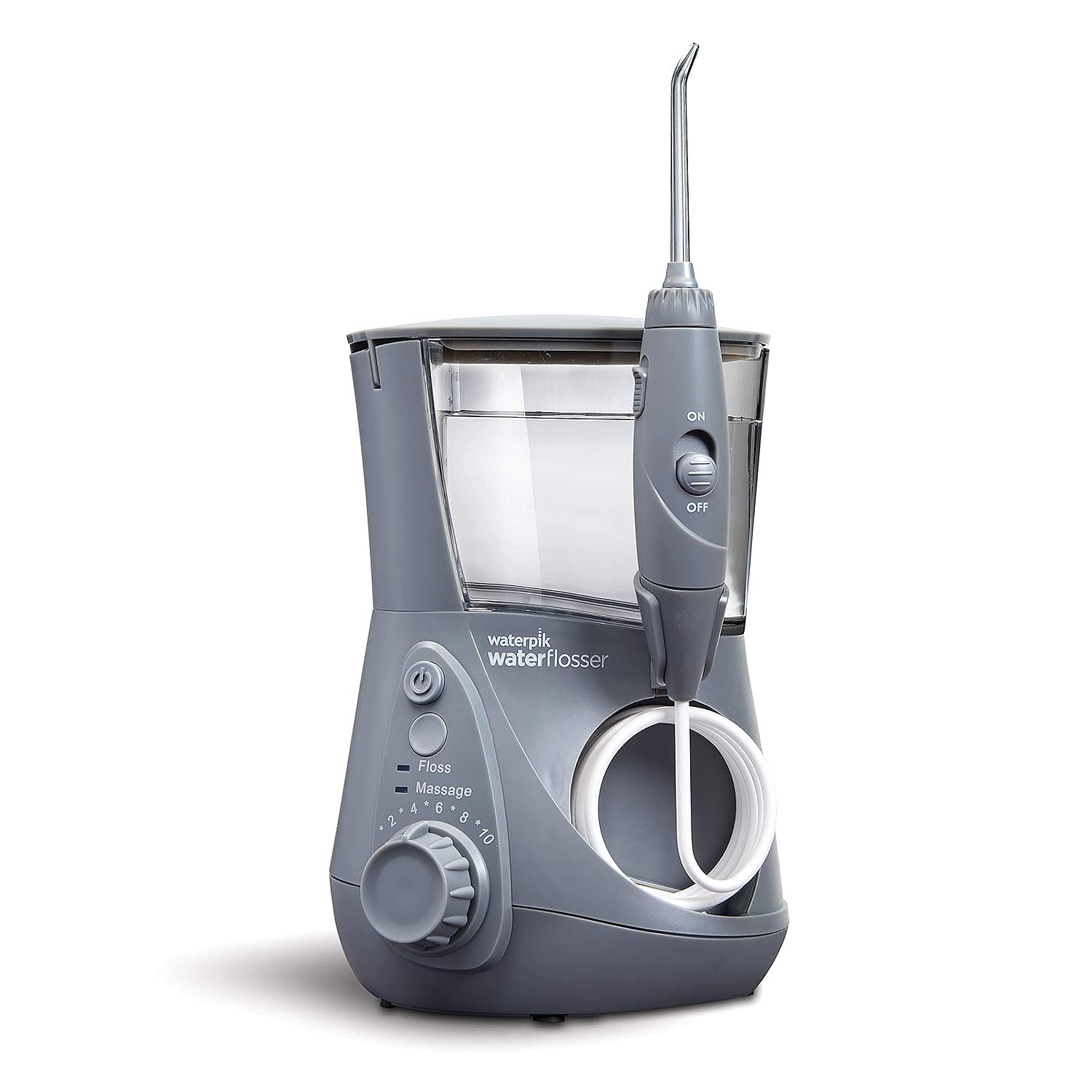
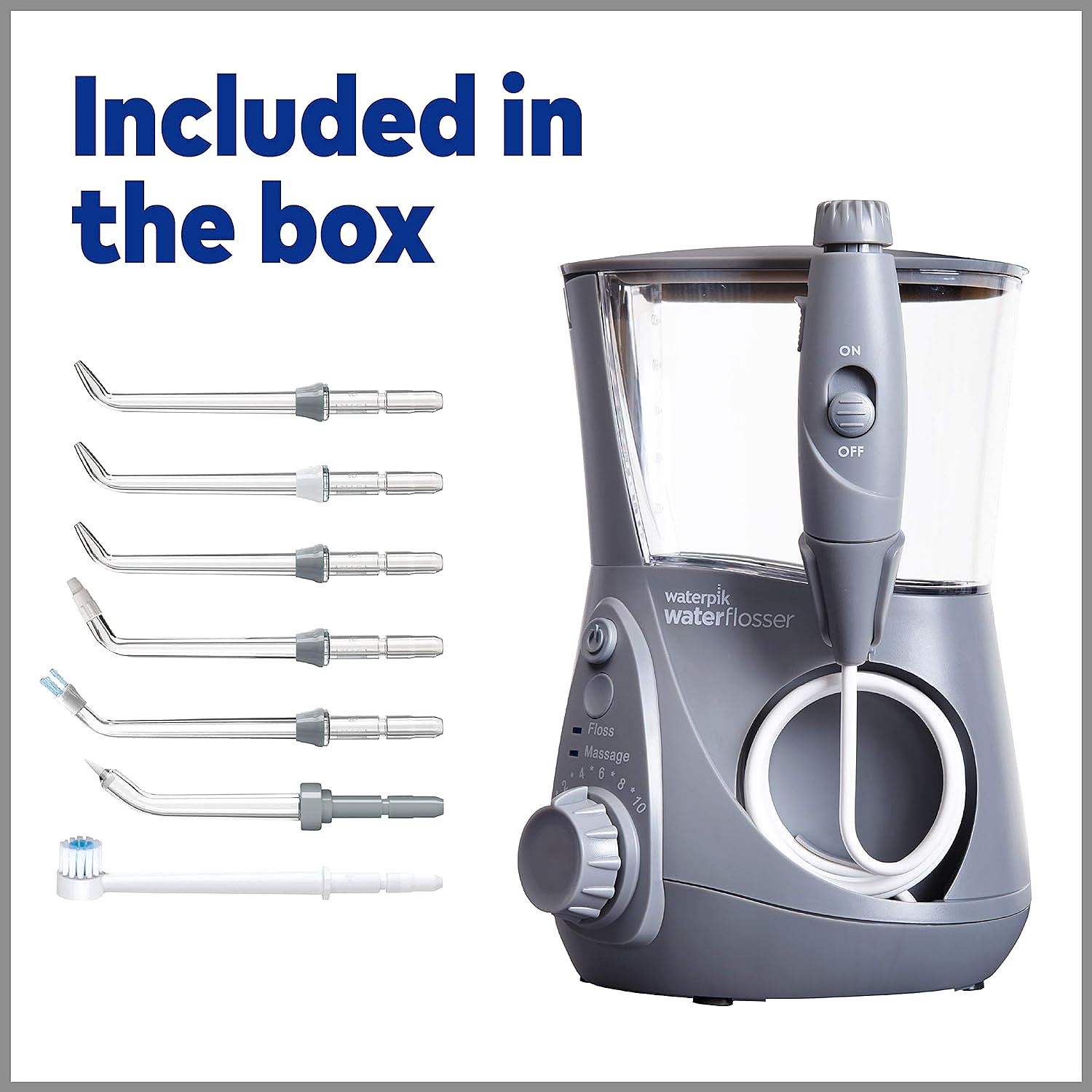
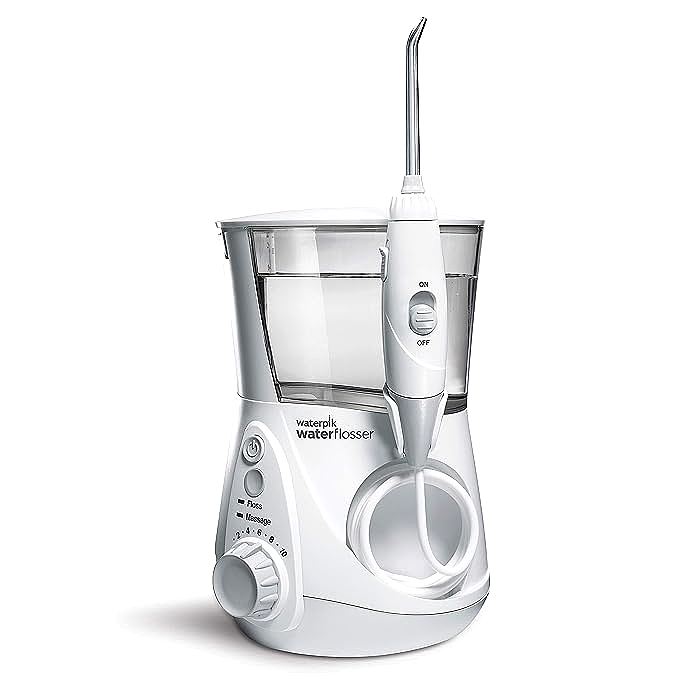
Waterpik WP-667CD Aquarius Water Flosser
In the hierarchy of oral health tools, there is a distinct line between "cleaning devices" and "therapeutic instruments." While a toothbrush removes surface debris, it does little to address the complex biological warfare occurring beneath the gumline. This is the domain of the oral irrigator, a device that uses fluid dynamics to intervene in the disease process of gingivitis and periodontitis.
The Waterpik WP-667CD Aquarius stands as the archetype of this category. Backed by over 70 clinical studies, its design is not arbitrary; it is a physical manifestation of specific hydrodynamic principles required to disrupt the lifecycle of dental biofilm and modulate the host's immune response.
The Physics of Detachment: Hydrodynamic Shear Stress
The primary mechanism of action for any effective water flosser is Hydrodynamic Shear Stress. Biofilm (plaque) is a sticky, structured community of bacteria that adheres tenaciously to tooth surfaces. It behaves like a viscous fluid. To remove it, one must apply a force parallel to the surface that exceeds the biofilm's cohesive strength.
This is where the 1,400 pulses per minute specification becomes critical. * Continuous Stream vs. Pulsation: A continuous stream of water applies constant pressure, which biofilm can often withstand by deforming. Pulsation, however, creates a rapid cycle of compression and decompression. * The Fatigue Failure: Each pulse impacts the biofilm structure, creating a micro-shockwave. At 1,400 impacts per minute, this frequency induces fatigue in the biofilm's attachment matrix. The "shear force" tears the bacterial colony away from the tooth surface and flushes it out of the periodontal pocket.
This mechanism allows the device to remove up to 99.9% of plaque from treated areas, reaching deep into the interproximal spaces where bristles cannot penetrate.
Beyond Cleaning: Modulation of Inflammation
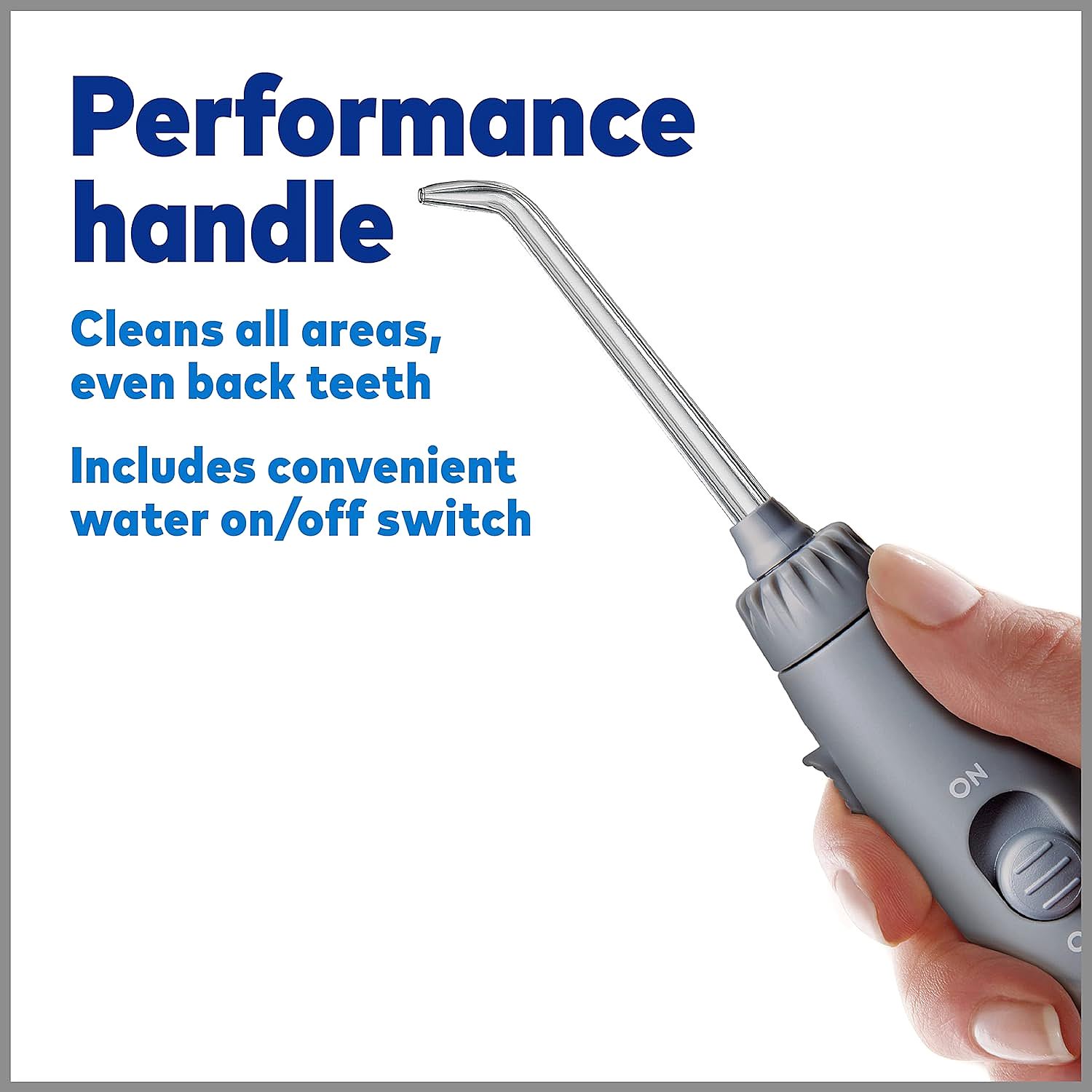
Perhaps the most overlooked aspect of the Aquarius model is its Hydro-Pulse Massage Mode. Many users dismiss this as a gimmicky "vibration," but biologically, it serves a distinct therapeutic function: enhancing gingival microcirculation.
Inflammation (gingivitis) is characterized by stasis—blood pools in the tissues, immune cells accumulate, and toxic byproducts build up. * Vascular Stimulation: The rhythmic pulsation of the massage mode acts as a mechanical pump for the soft tissue. It compresses the gingival capillaries, helping to push out stagnant, deoxygenated blood and inflammatory cytokines (the chemical signals of inflammation). * Reperfusion: As the pressure releases, fresh, oxygenated blood rushes in, bringing nutrients and active immune cells to repair the tissue.
This process transforms the device from a simple "food flusher" into a tool for tissue conditioning, helping to firm up the gums and reduce bleeding over time.
The Clinical Pressure Curve: 10 to 100 PSI
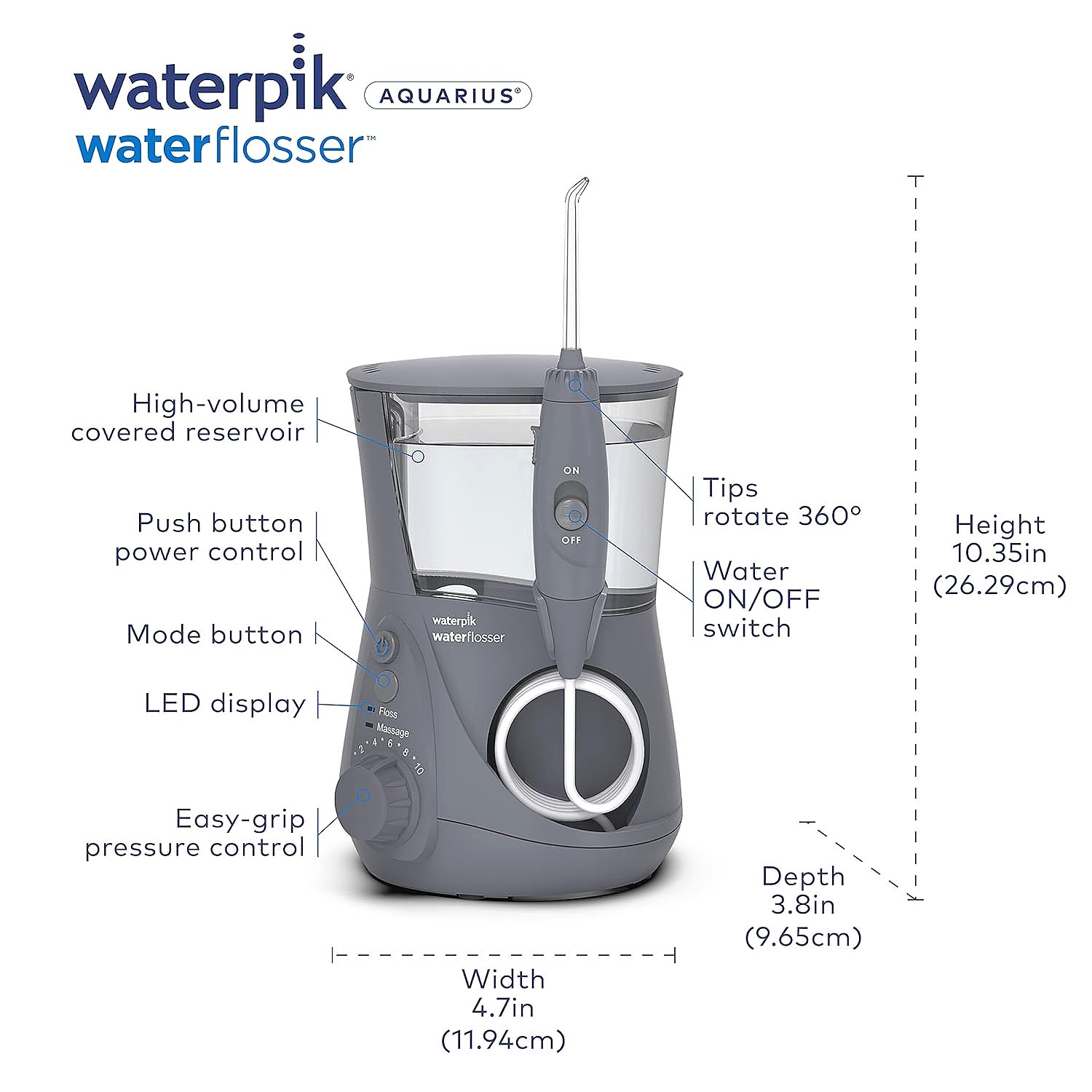
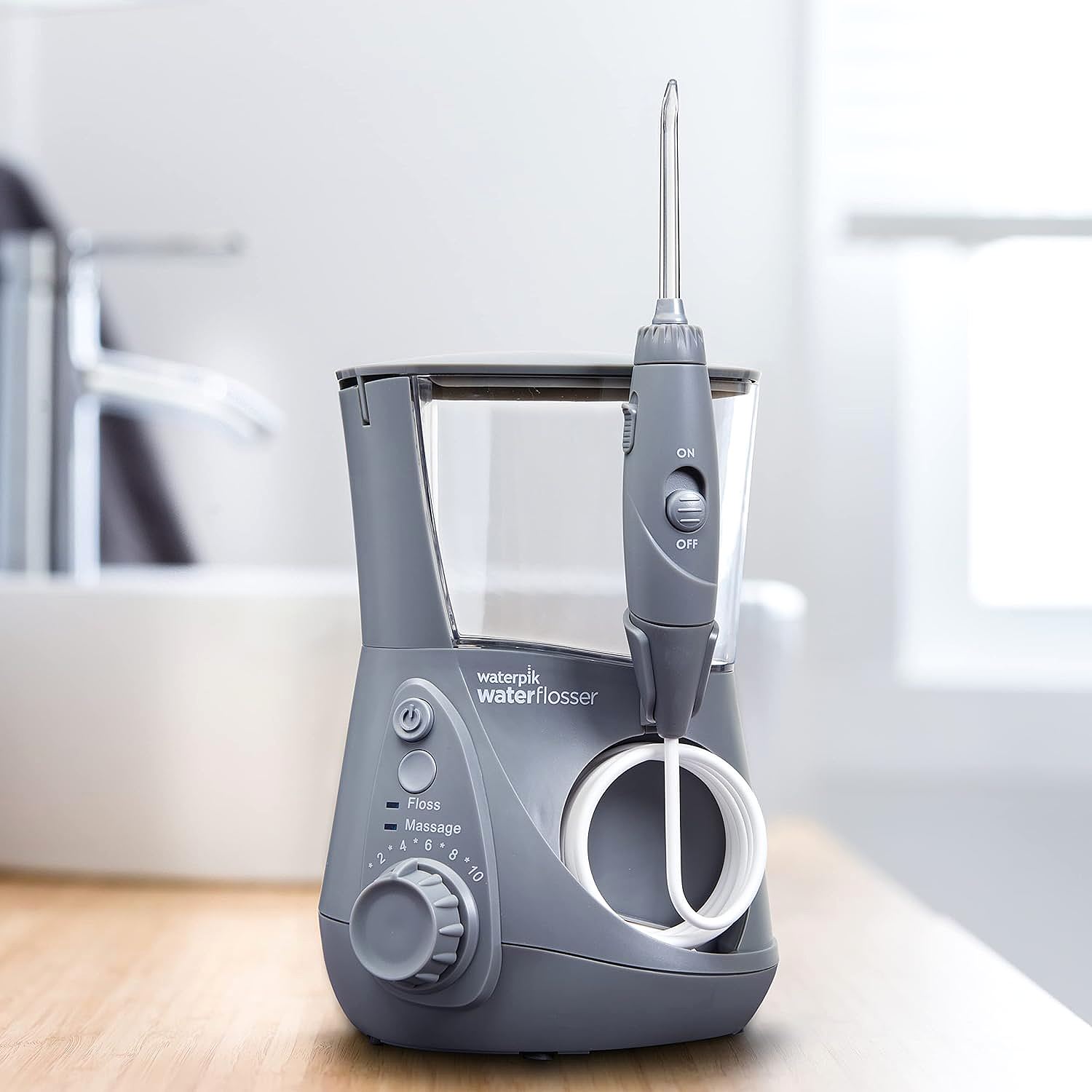
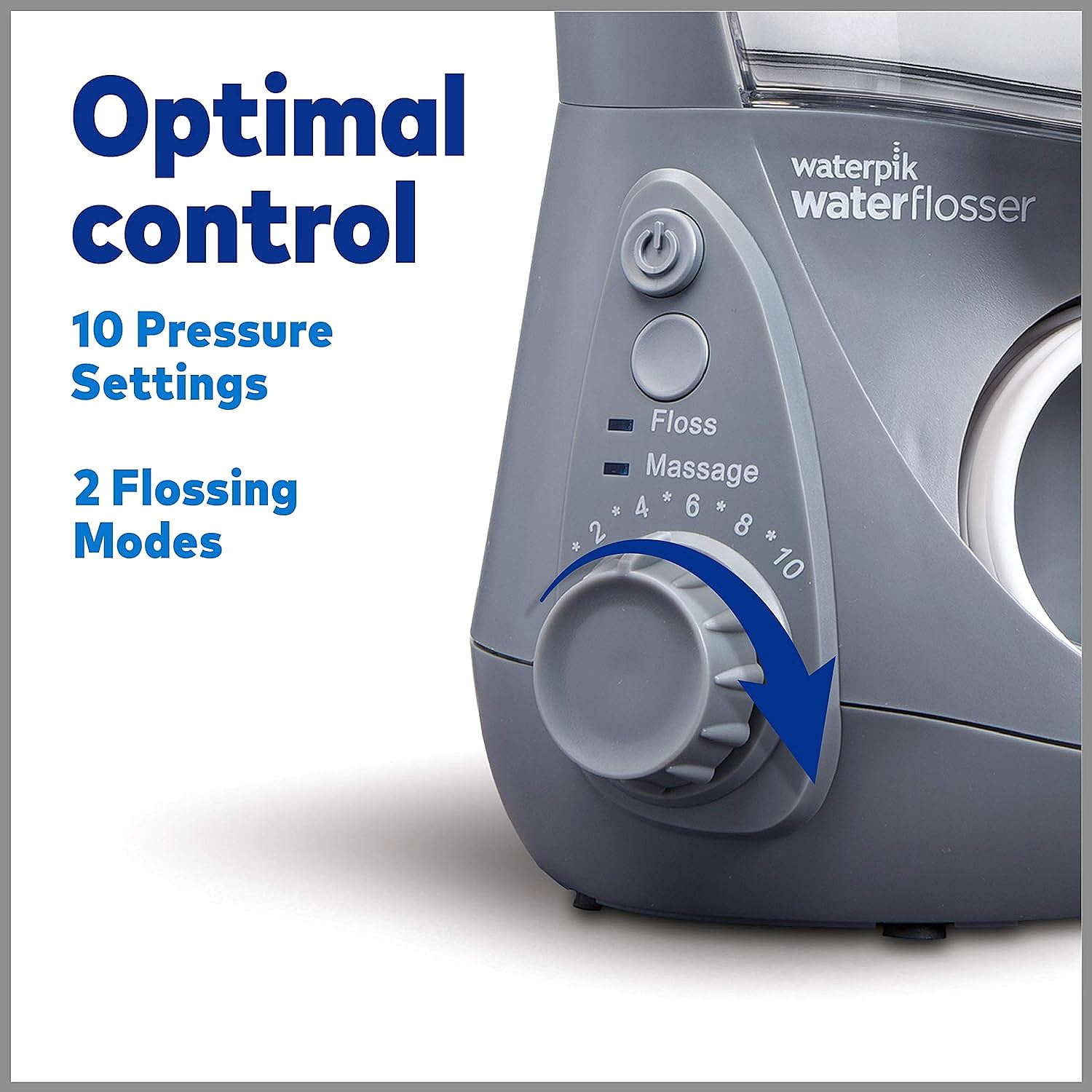
The adjustability of pressure (10-100 PSI) is often viewed as a comfort feature, but clinically, it is a dosage control. * Low Range (10-30 PSI): This is the "therapeutic window" for delivering subgingival irrigation. When using specialized tips like the Pik Pocket™ tip, low pressure is mandatory to safely deliver antimicrobial rinses or water deep into periodontal pockets without traumatizing the unattached gingiva. * Mid Range (40-70 PSI): The standard for biofilm disruption in healthy gums. * High Range (80-100 PSI): This level generates maximum shear stress, essential for dislodging calcifying plaque precursors and fibrous food debris from tight contact points. However, it represents the upper limit of safety for soft tissue, engineered to clean without causing epithelial damage.
The Countertop Station as a Commitment
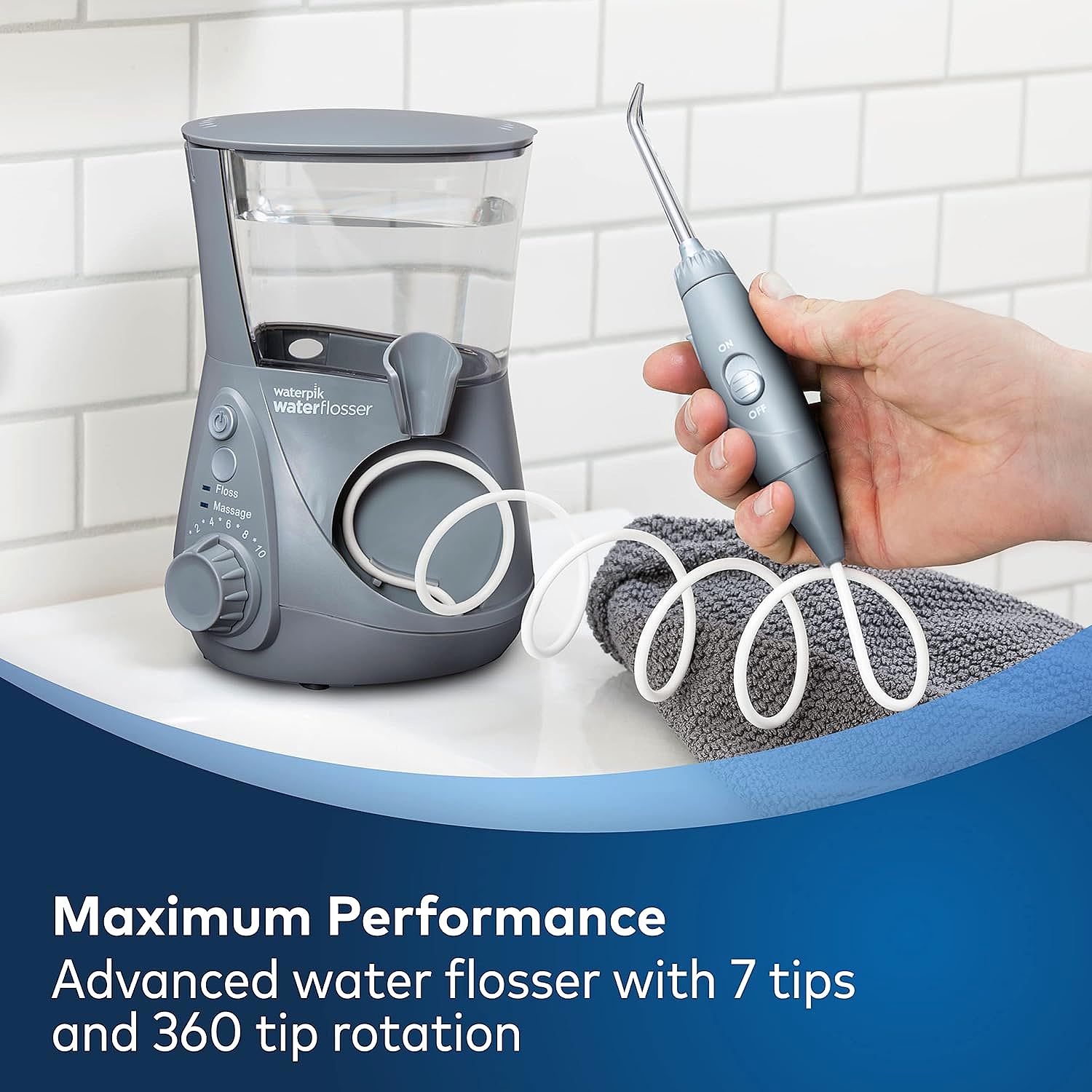
Unlike portable units, the Aquarius is a tethered, countertop device with a large 22oz reservoir. While some bemoan the lack of portability, the form factor dictates consistent performance. * No Voltage Sag: Direct AC power ensures that the motor torque—and thus the water pressure—remains perfectly constant from the first second to the ninetieth. Battery units often experience a drop in "shear force" as the charge depletes. * The 90-Second Protocol: The reservoir volume is calibrated to provide exactly enough water for a clinically thorough clean of both arches (buccal and lingual aspects). It enforces a rigorous hygiene protocol, discouraging the "rush job" often associated with smaller, handheld tanks.
Conclusion: An Investment in Systemic Health
The Waterpik Aquarius operates at the intersection of physics and physiology. It utilizes the kinetic energy of water to mechanically dismantle biofilm while simultaneously using rhythmic stimulation to bolster the host's tissue health.
For the user, understanding these mechanisms shifts the perspective from "chore" to "therapy." It is not just about removing spinach; it is about managing the inflammatory burden of the body, one pulse at a time. In the war against periodontal disease, this device remains the heavy artillery, setting the clinical standard against which all other hydrokinetic tools are measured.
Waterpik WP-667CD Aquarius Water Flosser
Related Essays
Beyond the Rinse: The Hydrodynamic Science of the Waterpik Aquarius WP-660
Hydrodynamic Resonance: The Physics of Non-Contact Cleaning and the Fluid Dynamics of Sonic Dentistry

Beyond the Bristles: The Fluid Dynamics of Sonic Oral Hygiene and the Physics of Biofilm Disruption
Beyond Mechanical Scrubbing: The Fluid Dynamics of Biofilm Disruption and the Science of Micro-Bubble Cavitation

The Biofilm Breaker: How Sonic Cavitation and Hydrodynamics Redefine Oral Health
Democratizing Dental Health: The Science of Accessibility in Portable Water Flossing

Beyond Brushing: The Hydrodynamics of Pulsation and Biofilm Management
Fluid Dynamics & Oral Health: The Engineering of Cordless Irrigation

The Physics of Oral Hygiene: Understanding Sonic Technology and Biofilm Control