Fluid Capacity Dynamics: How Tank Size & Custom Pressure Define Oral Irrigation Efficacy
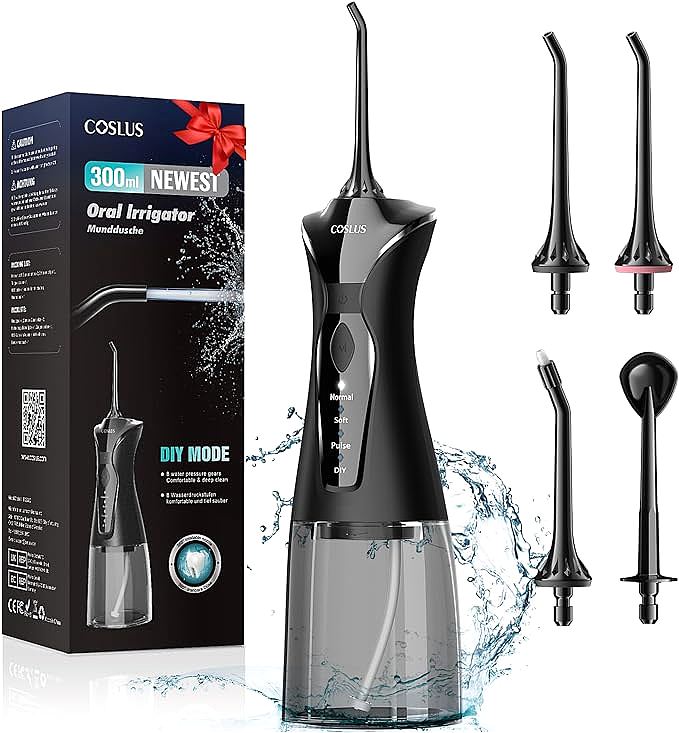
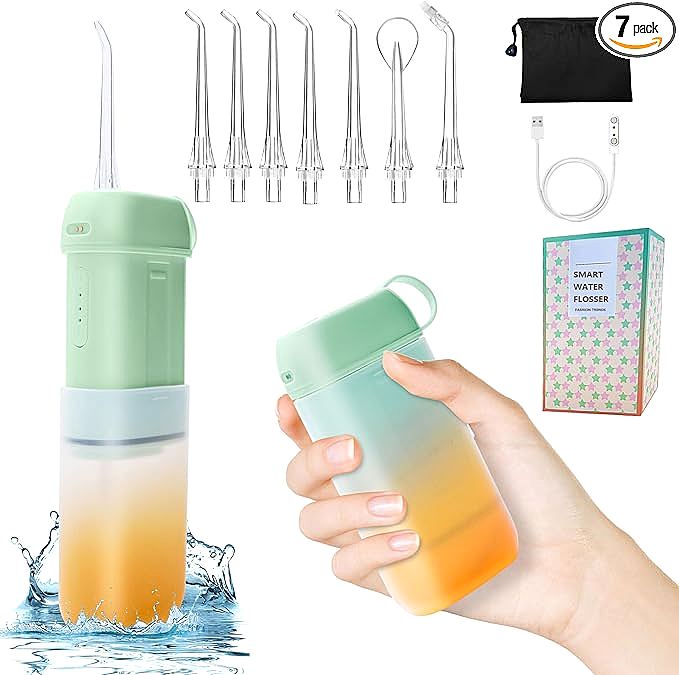
COSLUS FC5360 Water Dental Flosser
In the realm of personal care technology, the most effective device is not necessarily the one with the highest specifications on paper, but the one that integrates most seamlessly into the user's life. This is the principle of User Compliance Engineering. When it comes to oral irrigators (commonly known as water flossers), the barrier to consistent use often boils down to two surprisingly simple physical constraints: fluid capacity and pressure adaptability.
While many users understand the biological necessity of disrupting interdental biofilm—that sticky matrix of bacteria responsible for plaque and gingivitis—few consider how the ergonomics of their tool dictates the success of that disruption. Devices like the COSLUS FC5360 Cordless Water Dental Flosser provide a compelling case study in how optimizing these physical parameters can transform a chore into a sustainable habit.
The Reservoir Ratio: Solving the "Interrupted Clean"
One of the most frequent complaints regarding portable oral irrigators is the "mid-clean refill." Standard portable units often feature reservoirs in the 150ml to 200ml range. Biologically, a thorough cleaning of all four quadrants of the mouth typically requires 60 to 90 seconds of continuous water flow. A smaller tank often runs dry around the 45-second mark, forcing the user to stop, refill, and restart. This friction point disrupts the workflow and can lead to users rushing the process or skipping quadrants entirely.
The engineering choice to implement a 300ml (approx. 10oz) reservoir, as seen in the FC5360, addresses this directly. This volume is calculated to provide sufficient flow duration for a complete session without interruption. It represents the "Goldilocks zone" for handheld devices: large enough to complete the job, yet compact enough to remain ergonomic and portable. Furthermore, the design of a wide-mouth, detachable tank is not merely for ease of filling; it is a hygiene feature. It allows for thorough drying and cleaning of the interior, preventing the secondary biofilm buildup that plagues closed-system tanks.
The Physics of Personalization: Beyond "Soft, Medium, Hard"
Oral tissue varies significantly in sensitivity and resilience. The keratinized tissue around healthy molars can withstand—and often benefits from—high pressure, whereas the delicate mucosa around inflamed gums or implants requires a gentle touch. Traditional "stepped" pressure settings (Low/High) often fail to account for this nuance, creating a "pressure gap" where one setting is ineffective and the next is painful.
Advanced units bridge this gap with variable pressure mechanics. The inclusion of a "DIY Mode" allows users to customize the hydrostatic pressure across a broad spectrum, specifically 30 to 150 PSI (Pounds per Square Inch).
- Lower Range (30-60 PSI): Essential for initiating therapy on sensitive gums or for first-time users acclimating to the sensation.
- Upper Range (120-150 PSI): Provides the high-velocity shear force necessary to dislodge stubborn food debris and disrupt mature plaque colonies in tight interproximal spaces.
By allowing the user to dial in the exact PSI that feels effective yet comfortable, the device promotes "graduated therapy," where a user can slowly increase intensity as their gum health improves, rather than being locked into a static setting.
Pulse Dynamics and Biofilm Disruption
Pressure provides the force, but pulsation provides the mechanics of removal. A continuous stream of water can sometimes press debris into a pocket rather than flushing it out.
Modern irrigators utilize a high-frequency pulse mechanism, typically operating between 1400 and 1800 pulses per minute. This rapid cycle of compression and decompression creates a micro-hydraulic shockwave effect.
- Impact: The water pulse strikes the tooth surface, mechanically breaking the adhesion of the plaque biofilm.
- Flushing: The interval between pulses allows the water (and suspended debris) to flow away from the gumline.
This dual action is significantly more effective at navigating complex topographies, such as orthodontic brackets or the irregular surfaces of dental restorations, than a static stream.
Eliminating Friction: Power and Waterproofing
For a health habit to stick, the tool must be ready when you are. Battery anxiety—the fear of a device dying mid-use—is a significant deterrent for cordless tools. The shift towards high-density Lithium Polymer batteries has extended the operational window dramatically. A benchmark of 30 days of use on a single charge (based on standard daily usage) transforms the device from a "daily charge" appliance to a "monthly maintenance" one, making it highly viable for travel.
Additionally, the integration of IPX7 waterproofing is critical. This rating ensures the device can withstand immersion in water up to 1 meter deep for 30 minutes. In practical terms, this allows for shower usage. Using an oral irrigator in the shower eliminates the "mess factor"—water spraying on mirrors or countertops—which is often cited as a primary reason users discontinue water flossing. By coupling oral care with the daily shower routine, compliance rates naturally improve.
Conclusion: The Logic of Specs
When evaluating oral hygiene tools, it is easy to be swayed by aesthetic design or marketing claims. However, the true value lies in the specifications that directly impact usability. A 300ml reservoir ensures an uninterrupted workflow; a customizable pressure range (30-150 PSI) respects the unique biological needs of your tissues; and robust battery life ensures the tool is always ready.
Devices like the COSLUS FC5360 demonstrate that when engineering solves the practical friction points of daily use, the path to better oral health becomes not just a goal, but a sustainable reality.
COSLUS FC5360 Water Dental Flosser
Related Essays
Fluid Dynamics in Orthodontics: Mastering Non-Contact Cleaning with Precision Irrigation

Dopamine Hygiene: Assessing the Intersection of Pop Culture and Sonic Cleaning Technology

Hydrodynamic Hygiene: Mastering Oral Biofilm Control with Portable Precision
Bridging the Hygiene Gap: The Science of Simultaneous Hydro-Mechanical Cleaning
The Portable Water Flosser for Kids: A Parent's Guide to a Healthier Smile