Hydrodynamic Resonance: The Physics of Non-Contact Cleaning and the Fluid Dynamics of Sonic Dentistry
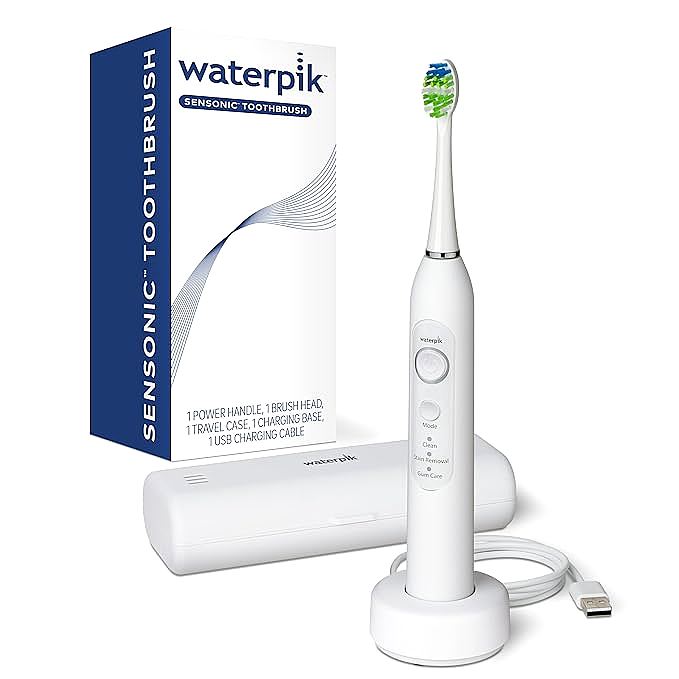
Waterpik STW-03W020 Sensonic Sonic Electric Toothbrush
In the realm of oral hygiene, a quiet revolution has shifted the paradigm from simple mechanical abrasion to complex fluid dynamics. For centuries, the toothbrush was understood as a scrubber—a tool that required direct physical contact to remove debris. However, with the advent of high-frequency sonic technology, the definition of "cleaning" has expanded into the domain of physics known as hydrodynamic shear.
This shift is particularly poignant when examined through the lens of manufacturers with a heritage in hydraulics, such as Waterpik. While best known for their water flossers, their entry into the sonic toothbrush market, exemplified by the Waterpik Sensonic STW-03W020, suggests a design philosophy deeply rooted in the understanding of how fluids move and interact with biological surfaces. This article delves into the biophysics of sonic cleaning, exploring how vibration, frequency, and fluid turbulence combine to disrupt bacterial biofilms even beyond the tips of the bristles.
The Limits of Mechanical Scrubbing
To understand the necessity of hydrodynamic cleaning, one must first appreciate the limitations of solid mechanics. The human tooth is not a smooth, flat surface. It is a landscape of microscopic ridges, deep fissures (fossa), and tight interproximal contacts. * The Contact Paradox: Standard nylon bristles effectively clean the smooth, convex surfaces of the teeth (buccal and lingual aspects). However, bristles have a finite diameter. They physically cannot penetrate crevices smaller than themselves, nor can they reach effectively into the gingival sulcus (the pocket between tooth and gum) without causing trauma. * The Biofilm Defense: Bacterial biofilm is viscoelastic—it behaves like a sticky, elastic fluid. Simple mechanical wiping often smears it rather than removing it, especially in recessed areas. To dislodge it from complex topographies, one needs a force that can conform to any shape: a fluid.
The Physics of Sonic Vibration
The term "sonic" in dentistry refers to the frequency of operation, typically falling within the audible range (20 Hz to 20,000 Hz), with high-end devices often operating around 200-300 Hz (approx. 30,000-40,000 brush strokes per minute). * Kinetic Energy Transfer: The primary function of the motor in devices like the Sensonic is to generate kinetic energy. This energy is transmitted through the drive shaft to the brush head. * Amplitude and Frequency: The efficacy of the cleaning action is a product of Frequency ($f$) times Amplitude ($A$). A high frequency with low amplitude creates a buzz but no movement; high amplitude with low frequency creates a scrubbing motion but no fluid dynamics. The engineering "sweet spot"—often cited as the mechanism behind Waterpik’s performance—is maximizing tip velocity without causing tissue discomfort.
Hydrodynamic Shear Stress: The Secondary Cleaning Mechanism
The true differentiator of sonic technology is its ability to create non-contact cleaning. This phenomenon relies on the interaction between the vibrating bristles and the fluids in the mouth (a mixture of saliva, water, and toothpaste).
Non-Newtonian Fluid Dynamics
Toothpaste is a non-Newtonian fluid (specifically, a Bingham plastic or shear-thinning fluid). Its viscosity decreases under shear stress. * Liquefaction: The intense vibration of the sonic bristles creates high shear rates. This momentarily liquefies the toothpaste, allowing it to flow freely into microscopic gaps. * The Foam Generator: The rapid oscillation mixes air into this fluid, creating an oxygenated foam. Since many periodontal pathogens are anaerobic (die in the presence of oxygen), the delivery of this oxygen-rich foam into the gum pockets has a therapeutic biochemical effect in addition to the physical cleaning.
Fluid Velocity and Shear Forces
As the bristles whip back and forth, they drag the surrounding fluid layers with them. This creates a turbulent fluid stream that extends 2-4 millimeters beyond the physical reach of the bristles. * Wall Shear Stress: When this high-velocity fluid stream impacts the tooth surface or rushes through an interdental space, it exerts shear stress on the biofilm. * The Tearing Effect: If the hydraulic shear stress exceeds the cohesive strength of the biofilm matrix, the bacteria are torn away from the tooth surface. This is how a sonic brush can reduce plaque in areas the bristles never actually touch. The Waterpik Sensonic’s specific motor tuning aims to maximize this "fluid drag," leveraging the brand's expertise in hydraulic force application to enhance the mechanical scrubbing of the bristles.
Cavitation: The Micro-Explosions
At the higher end of tip velocities, a phenomenon known as acoustic micro-streaming and limited cavitation can occur. * Bubble Collapse: The rapid pressure changes in the fluid can cause microscopic bubbles to form and collapse (implode). * Energy Release: The collapse of these bubbles releases localized shockwaves. While less intense than the ultrasonic scalers used by hygienists, this micro-cavitation contributes to breaking down the cell walls of bacteria and disrupting the stain-pellicle matrix on the enamel surface. This explains the "Stain Removal" efficacy often highlighted in advanced sonic brushes—it is a physical bombardment of the stain molecules at a microscopic level.
The Clinical Implications of 3 Modes
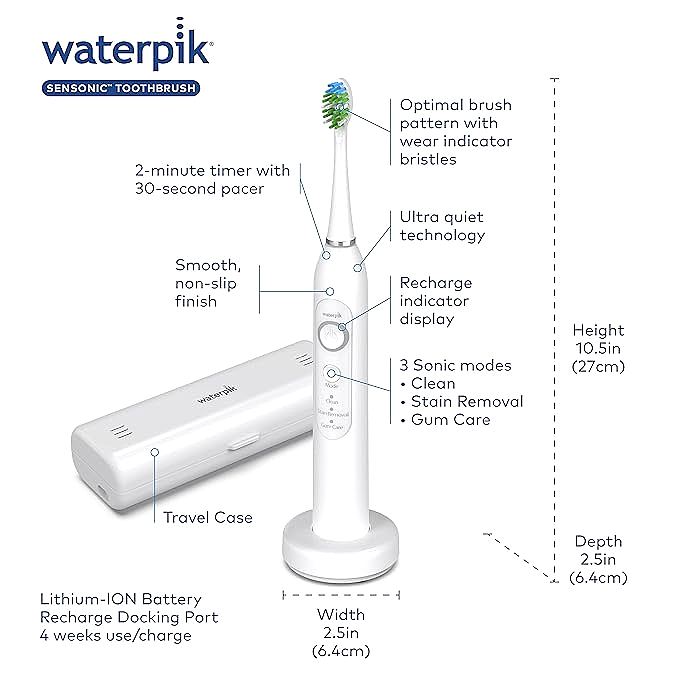
The inclusion of variable modes (Clean, Stain Removal, Gum Care) in the Sensonic is an acknowledgment of the variable nature of fluid dynamics required for different tissues. * Clean Mode (High Energy): Maximizes tip velocity for maximum fluid turbulence and shear stress, targeting robust supragingival plaque. * Gum Care (Modulated Energy): Typically involves a pulsing rhythm. From a physics perspective, this pulsation allows the viscoelastic gum tissue to rebound between strokes, improving micro-circulation (blood flow) without subjecting the delicate epithelial attachment to constant high-shear forces. * Stain Removal (Frequency Shift): Often alters the frequency to induce a specific resonance that is more effective at dislodging the tightly bound extrinsic stain layer (pellicle).
Conclusion: The Synergy of Mechanics and Hydraulics
The modern sonic toothbrush is a hybrid instrument. It is part mechanical scrubber, part hydraulic pump. By understanding the physics of hydrodynamic shear and fluid activation, we can appreciate why devices like the Waterpik Sensonic offer a superior standard of care. They do not merely brush the teeth; they energize the oral environment, turning the fluids of the mouth into active cleaning agents. In this synthesis of solid and fluid mechanics, oral hygiene transcends simple grooming and becomes a daily application of advanced biophysics.
Waterpik STW-03W020 Sensonic Sonic Electric Toothbrush
Related Essays

Beyond the Bristles: The Fluid Dynamics of Sonic Oral Hygiene and the Physics of Biofilm Disruption

The Biofilm Breaker: How Sonic Cavitation and Hydrodynamics Redefine Oral Health
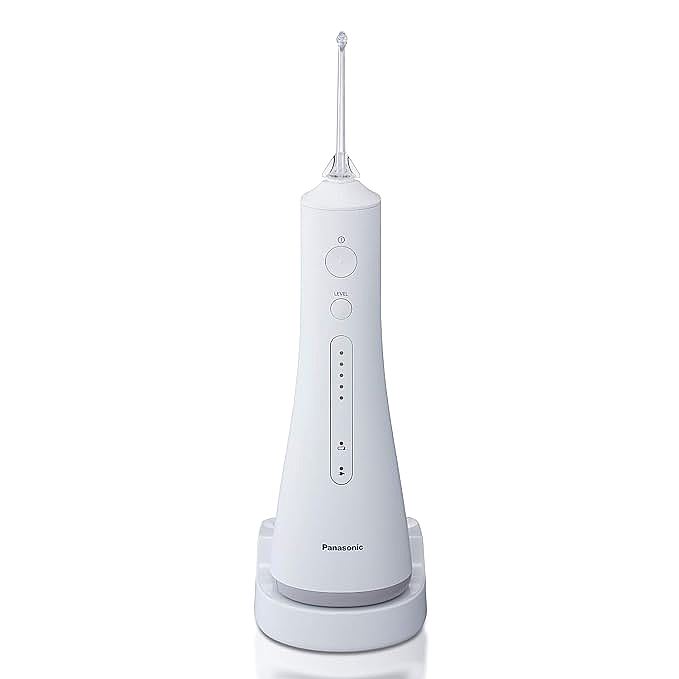
Beyond Mechanical Scrubbing: The Fluid Dynamics of Biofilm Disruption and the Science of Micro-Bubble Cavitation
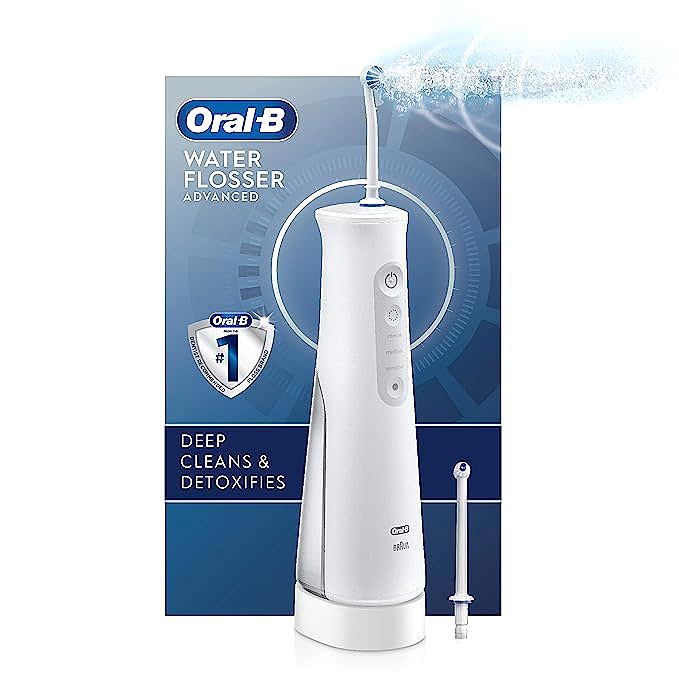
Beyond Pressure: The Science of Microbubbles and Hydrodynamics in Gum Health
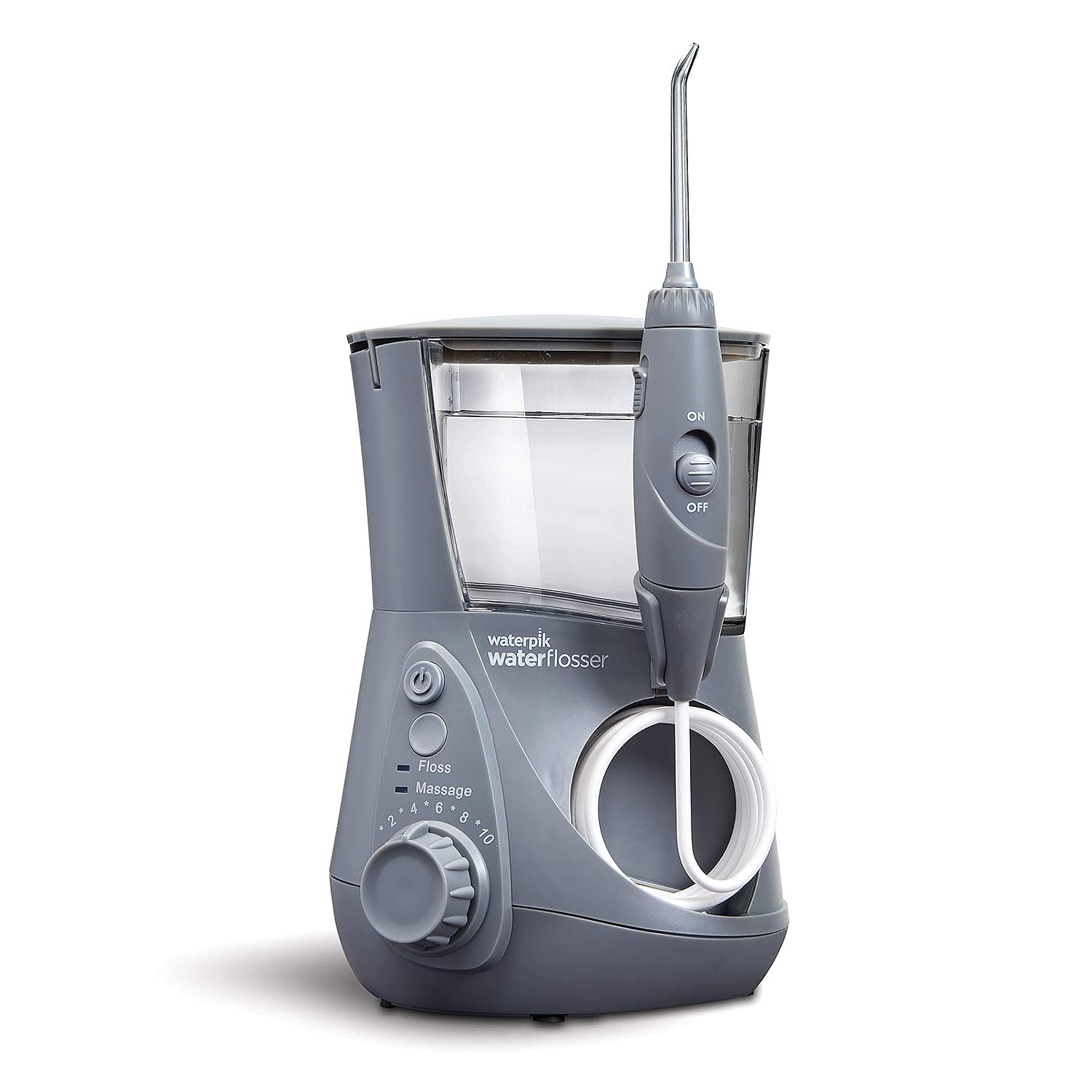
The Clinical Standard: Hydrodynamic Shear Stress and Gingival Microcirculation
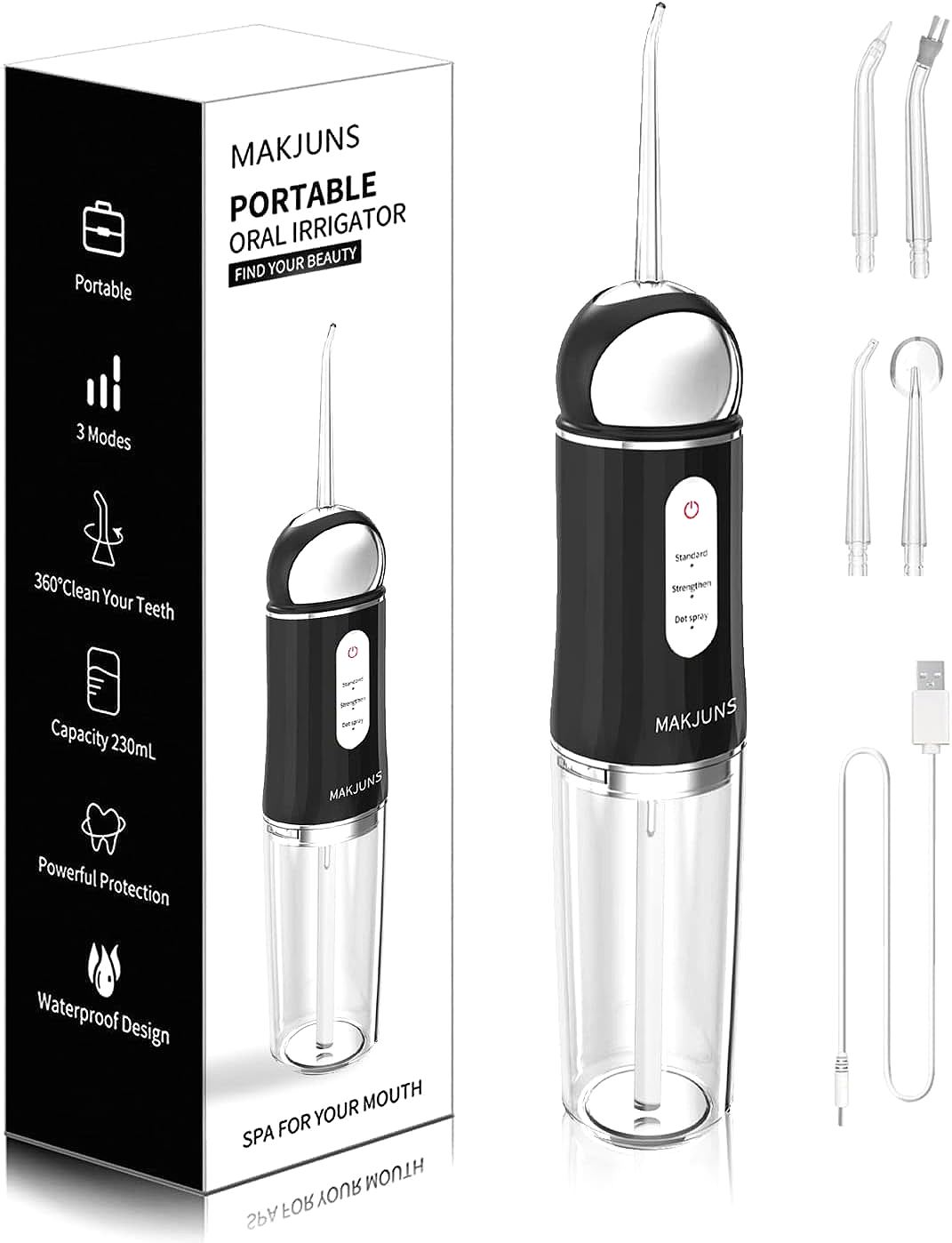
Democratizing Dental Health: The Science of Accessibility in Portable Water Flossing

Beyond Brushing: The Hydrodynamics of Pulsation and Biofilm Management
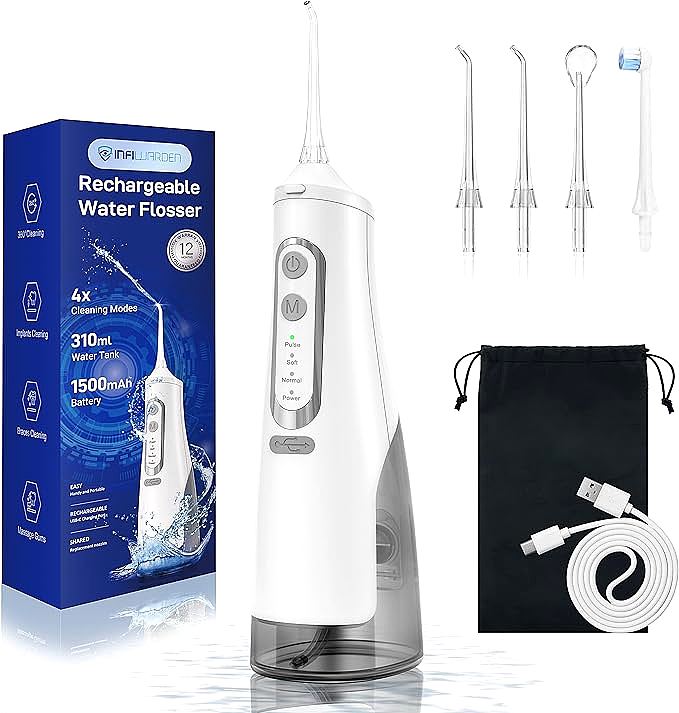
Fluid Dynamics & Oral Health: The Engineering of Cordless Irrigation

The Physics of Oral Hygiene: Understanding Sonic Technology and Biofilm Control