The Hydro-Kinetic Advantage: Why Pulsation Beats Friction in Oral Care
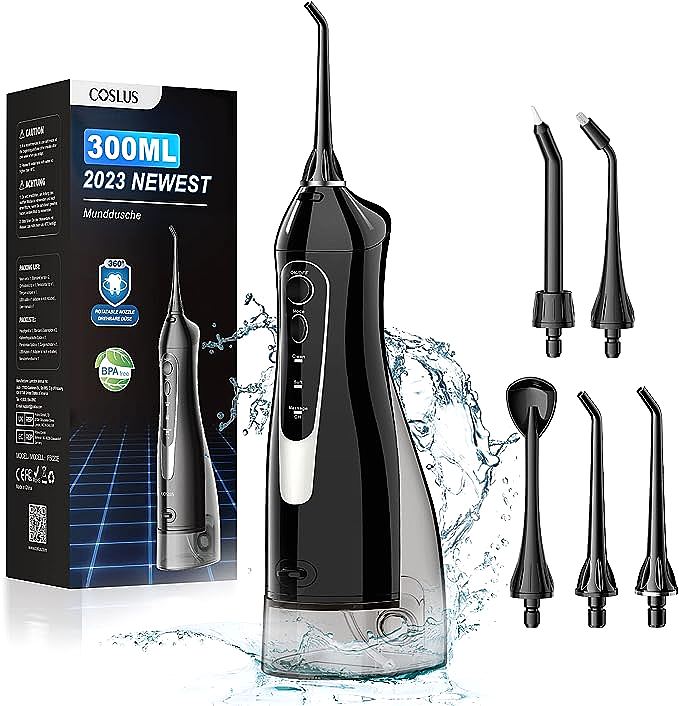
COSLUS F5020E Water Dental Flosser
The architecture of the human mouth is a marvel of biological engineering, yet it presents a significant challenge for hygiene. Traditional tools like the toothbrush and string floss rely primarily on mechanical friction—physically scraping surfaces to remove debris. While effective on broad, accessible planes, these methods often falter in the complex topography of the interdental spaces and the gingival sulcus (the delicate pocket between tooth and gum). This limitation has driven the evolution of oral care towards hydro-kinetic therapy, a method that utilizes the energy of water to clean where bristles simply cannot reach.
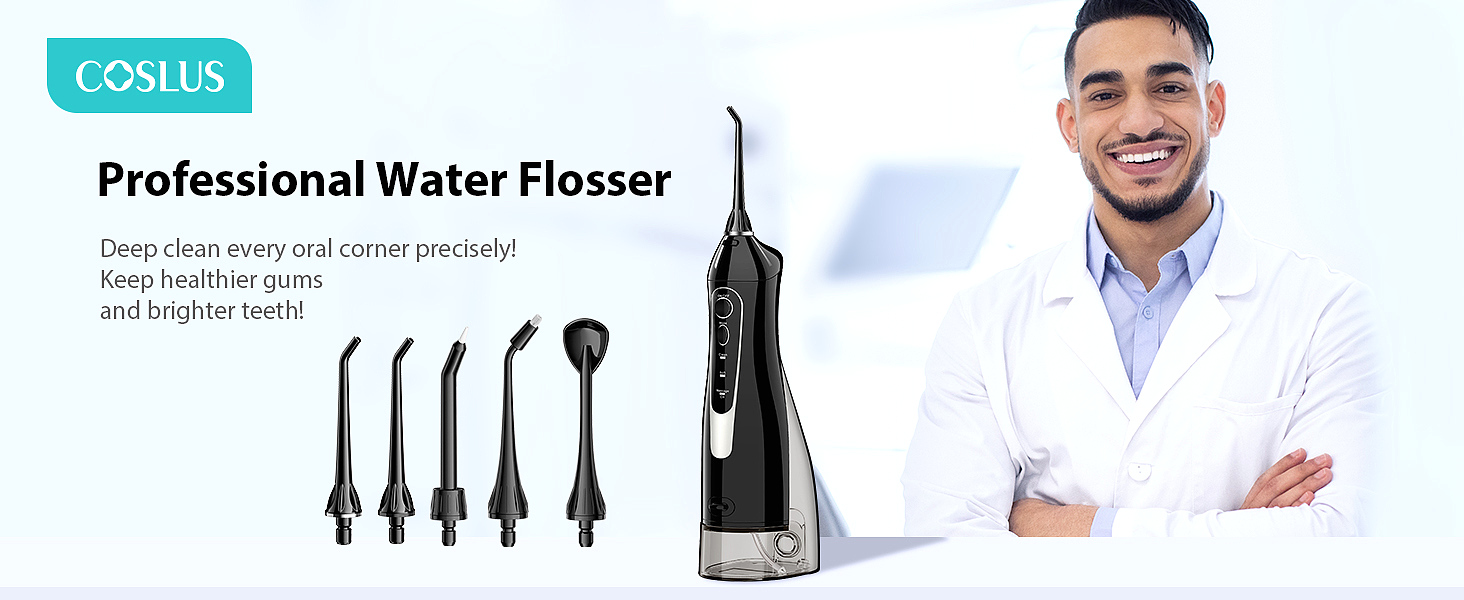
Modern oral irrigators, such as the COSLUS F5020E Water Dental Flosser, represent the democratization of this technology. Once confined to professional dental offices, advanced water pulsation is now a staple of the home bathroom. But to truly leverage this tool, one must understand the fluid dynamics at play.
Deconstructing the Micro-Burst: The Physics of 1400 Pulses
A common misconception is that water flossers work merely by "washing away" food particles. If that were the case, a simple rinse would suffice. The true efficacy lies in Pulsatile Flow. Unlike a continuous stream (Laminar Flow), which applies constant but static pressure, a pulsating stream delivers rapid, kinetic impacts.
Devices engineered with a frequency of 1400 pulses per minute, like the COSLUS model, create a specific physical phenomenon known as shear stress. * Compression and Release: Each pulse compresses the gum tissue slightly and then releases it. This microscopic cycle acts as a pump, flushing out stagnant fluids and bacteria from the gum pockets. * Biofilm Disruption: Plaque is a sticky biofilm, not just loose debris. The rapid-fire impact of water droplets breaks the structural integrity of this film, detaching it from the tooth surface much like a pressure washer cleans a patio, but on a microscopic and gentle scale. * The 0.6mm Precision: The diameter of the water column is critical. A 0.6mm nozzle concentrates this hydraulic energy into a pinpoint beam, allowing it to penetrate deep into tight gaps without dissipating its force on the surrounding tissue.
Ergonomics and Compliance: The "Mess Factor" Solution
One of the primary barriers to adopting water flossing is the user experience—specifically, the potential for water to spray everywhere. This is where engineering specifications translate directly into usability.
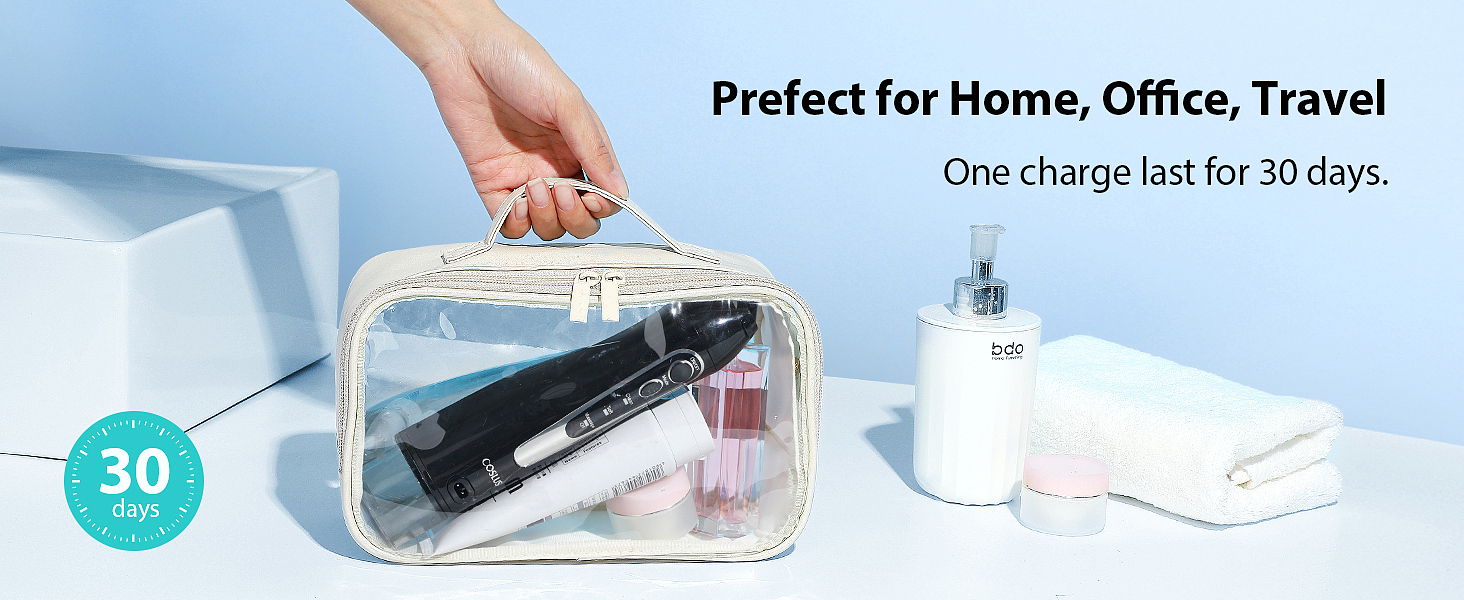
The transition from countertop units to cordless, self-contained designs addresses the friction of daily use. However, the most overlooked specification is the IPX7 Waterproof rating. * First Principles of Usage: If a device is messy, users will stop using it. An IPX7 rating allows the device to be submerged or used under heavy water flow. This unlocks the "Shower Flossing" protocol. * The Protocol: Using the irrigator in the shower eliminates the fear of splashing the mirror or counter. It transforms a chore requiring careful posture over a sink into a seamless part of the bathing routine. This simple shift in environment, enabled by the waterproofing, significantly improves long-term hygiene compliance.
Capacity and Continuity
The continuity of the cleaning session is governed by the reservoir. A 300ml water tank is not an arbitrary number; it is calculated to provide approximately 60 to 90 seconds of continuous flow. This aligns perfectly with the dentist-recommended duration for a full-mouth clean (approx. 15 seconds per quadrant). Smaller tanks often require refilling mid-session, breaking the workflow and discouraging thoroughness.
Power Management for Habit Formation
In behavioral science, "friction" is the enemy of habit. A dead battery is the ultimate friction point. The integration of high-efficiency motors and batteries that offer a 30-day service life is a crucial design element for habit maintenance. It frees the user from the "charger anxiety" often associated with bathroom electronics and supports consistency, which is the single most important factor in oral health.
Tailored Pressure: Respecting Biological Variability
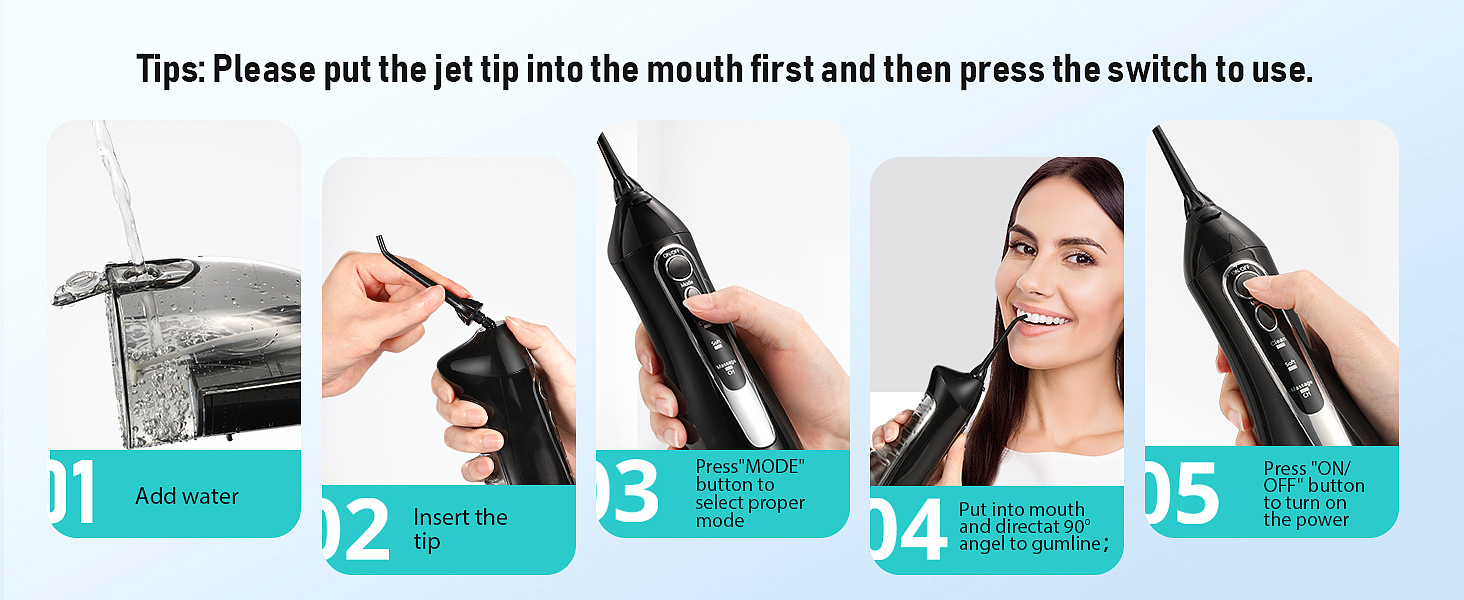
Gingival tissue varies greatly among individuals. Healthy gums can withstand vigorous pressure, while inflamed or sensitive gums require a delicate touch. The ability to modulate pressure via distinct modes (Standard, Soft, Massage) is essential. * Soft Mode: Vital for the acclimatization period. First-time users often experience "ticklishness" or minor bleeding as the gums react to the new stimulation. A lower pressure setting allows the tissue to toughen (keratinize) over time without trauma. * Massage Mode: This setting often uses a variable pulse rhythm to stimulate blood flow (microcirculation) in the gums, aiding in the body's natural immune response to bacteria.
Conclusion: A Shift in Perspective
Adopting a device like the COSLUS F5020E is not merely about buying a gadget; it is about upgrading your personal hygiene infrastructure. By harnessing the physics of high-frequency water pulsation, we can address the biological vulnerabilities of our oral cavity with engineering precision. It moves us from a passive attempt at cleaning to an active, therapeutic engagement with our health.
COSLUS F5020E Water Dental Flosser
Related Essays
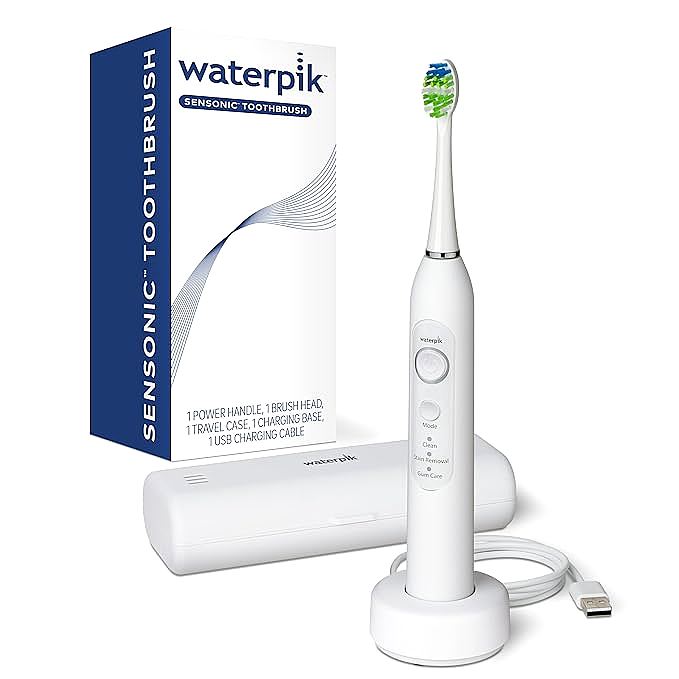
Hydrodynamic Resonance: The Physics of Non-Contact Cleaning and the Fluid Dynamics of Sonic Dentistry

Beyond the Bristles: The Fluid Dynamics of Sonic Oral Hygiene and the Physics of Biofilm Disruption
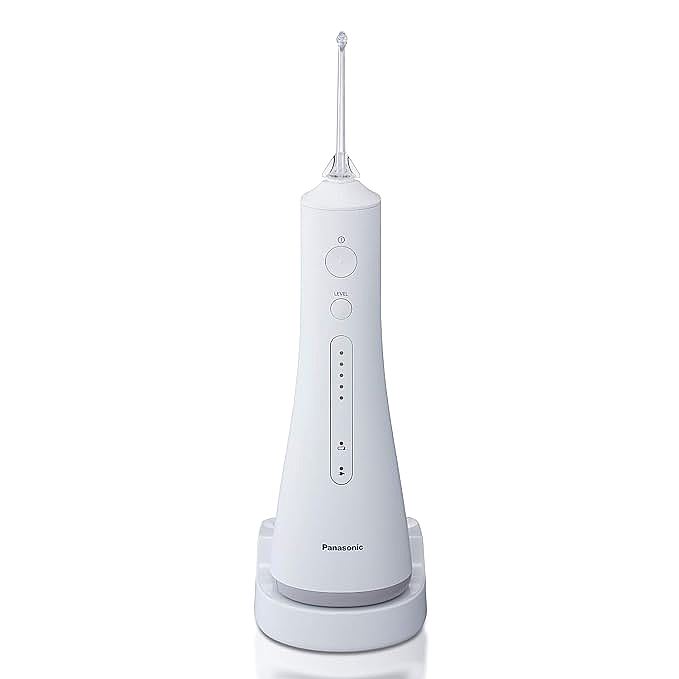
Beyond Mechanical Scrubbing: The Fluid Dynamics of Biofilm Disruption and the Science of Micro-Bubble Cavitation

The Biofilm Breaker: How Sonic Cavitation and Hydrodynamics Redefine Oral Health
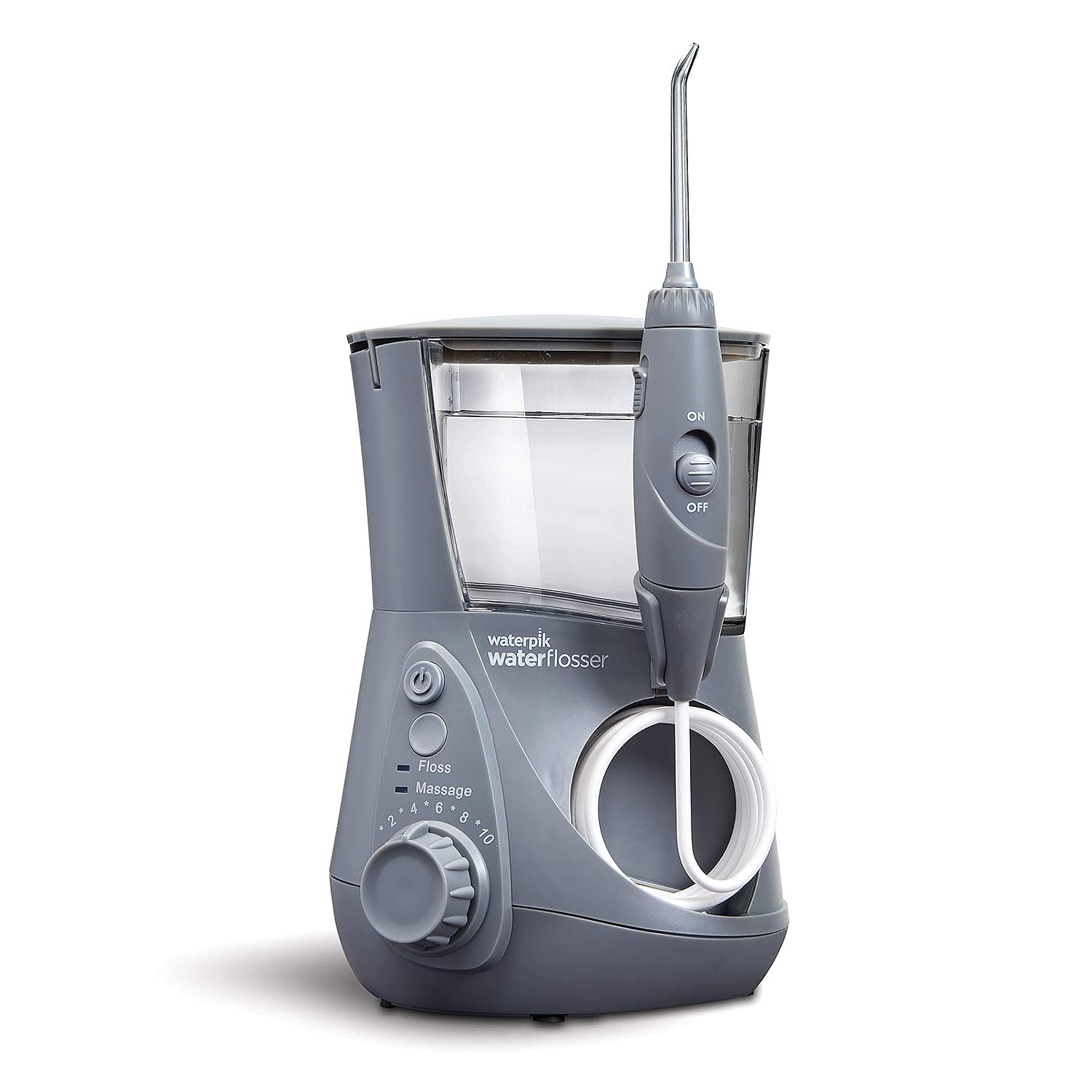
The Clinical Standard: Hydrodynamic Shear Stress and Gingival Microcirculation
Democratizing Dental Health: The Science of Accessibility in Portable Water Flossing

Beyond Brushing: The Hydrodynamics of Pulsation and Biofilm Management
Fluid Dynamics & Oral Health: The Engineering of Cordless Irrigation

The Physics of Oral Hygiene: Understanding Sonic Technology and Biofilm Control