The Physics of a Flawless Smile: How 40,000 VPM Sonic Toothbrushes Really Work
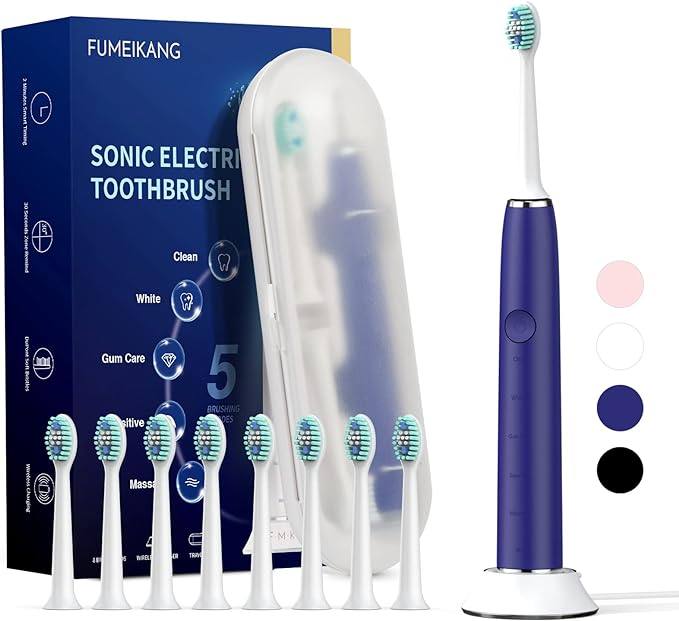
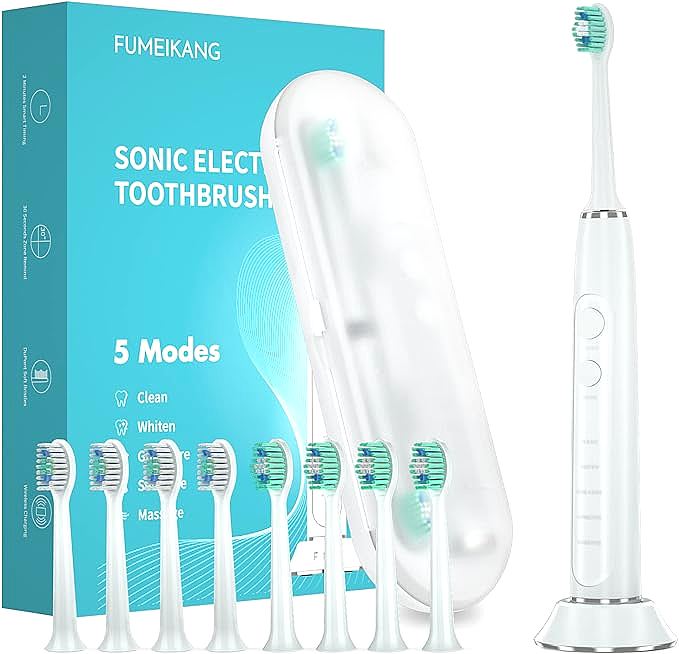
FUMEIKANG F Series-FS11 Electric Toothbrushes
Every morning, you engage in a ritual as old as civilization: cleaning your teeth. But what if I told you that you’ve been underestimating your adversary? The sticky film you diligently brush away is not merely leftover food particles. It is a complex, highly organized, and stubbornly persistent bacterial fortress known as a biofilm. According to leading research in journals like Nature Reviews Microbiology, this plaque biofilm is not a random assortment of germs but a cooperative microbial city, complete with communication channels and a protective slime shield. This shield makes its inhabitants remarkably resistant to outside threats. A simple frontal assault with the mechanical friction of a manual toothbrush is often an inefficient siege, clearing the surface but leaving resilient pockets of bacteria entrenched in the hard-to-reach "canyons" between your teeth and just below the gumline. To truly win this daily battle, you don't just need a better scrub; you need superior weaponry, grounded in the fundamental laws of physics.
So, if plaque is an entrenched fortress, we need a weapon that can attack it at its very foundation, something that can create chaos within its walls, often without direct contact. Enter the elegant and powerful physics of high-frequency vibration.
The Weapon: Deconstructing Sonic Vibration
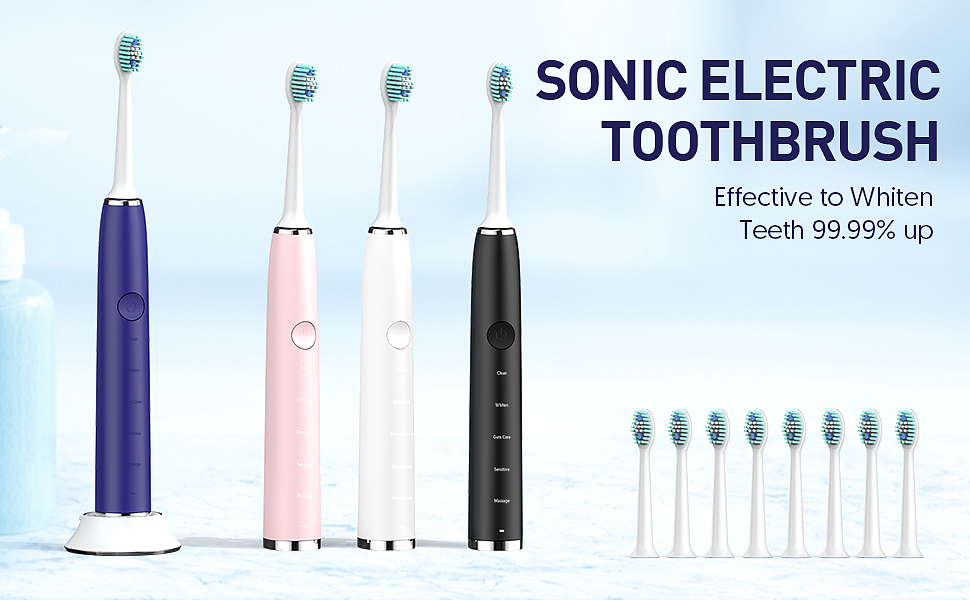
The term "sonic toothbrush" is, in itself, a clue. Its core principle is not aggressive friction, but the sophisticated transfer of energy through a fluid medium. While a traditional electric toothbrush might use a rotating or oscillating head to mimic and accelerate manual scrubbing, a sonic device operates on an entirely different plane of physics. When an instrument like the FUMEIKANG FS11 vibrates at an astonishing 40,000 movements per minute, it does something far more profound than just whisking its bristles back and forth. It creates two powerful, scientifically validated phenomena in the fluid environment of your mouth: acoustic streaming and cavitation.
As confirmed by a systematic review in the Journal of Clinical Periodontology, this is the technology's masterstroke. The high-frequency vibration of the brush head generates intense pressure waves in the surrounding fluid (your saliva and toothpaste mixture). This creates a powerful micro-current, a phenomenon known as acoustic streaming, which flows forcefully into areas your bristles could never physically touch. Simultaneously, the rapid pressure changes can cause the formation and collapse of microscopic bubbles, an effect called cavitation. The collapse of these tiny bubbles releases a significant burst of energy, further helping to dislodge and disrupt the plaque biofilm.
It is crucial to understand this: a sonic toothbrush is a synergistic weapon. It does not abandon the importance of physical contact. The high-quality bristles are the frontline infantry, clearing the main surfaces. But the acoustic streaming and cavitation are the powerful air support, targeting the hidden enemy encampments in interproximal spaces and the gingival sulcus. This dual-action approach is what allows sonic technology to offer a level of clean that mechanical friction alone struggles to achieve.
The Anatomy of a Modern Instrument: A Case Study
This theory of acoustic streaming and cavitation is compelling in a laboratory. But how is this complex physics elegantly packaged into a device you hold in your hand every morning? To understand this, let's perform a forensic teardown of a modern sonic instrument, using the FUMEIKANG F Series-FS11 as our specimen.
The Engine Room: The Motor
At the heart of any sonic toothbrush is its motor. The FS11’s ability to generate 40,000 vibrations per minute is the foundational requirement for initiating effective fluid dynamics. This isn't just about speed for speed's sake. There is a threshold of frequency and amplitude required to create pressure waves of sufficient intensity to produce meaningful acoustic streaming. Below this threshold, you simply have a vibrating brush; above it, you have a micro-scale fluid dynamics laboratory. The engineering challenge lies in creating a motor that is not only powerful and consistent but also compact, energy-efficient, and durable enough to withstand years of twice-daily use.
The Control Panel: The Modes
But raw power is useless without intelligent control. This is where the engineering of vibration becomes an art form. The five distinct modes on the FS11 are not arbitrary settings; they are carefully calibrated programs that adjust the physical parameters of the vibration—namely frequency and amplitude—to achieve specific biological or cleaning objectives. For example:
* Clean: Operates at the peak 40,000 VPM for maximum fluid-dynamic plaque removal.
* Whiten: Often employs a varied frequency, creating a polishing motion designed to remove extrinsic surface stains.
* Gum Care: This mode is particularly interesting. Research in the Journal of Dentistry has suggested that specific lower-frequency, pulsating vibrations can gently massage the gums, which may help to improve gingival blood flow. This is a therapeutic approach, aiming to bolster gum health from within.
* Sensitive: This mode dials back the amplitude of the vibrations, reducing the intensity for users with sensitive teeth or gums while still maintaining a high enough frequency to generate a gentle fluid dynamic effect.
The Point of Contact: The Brush Head
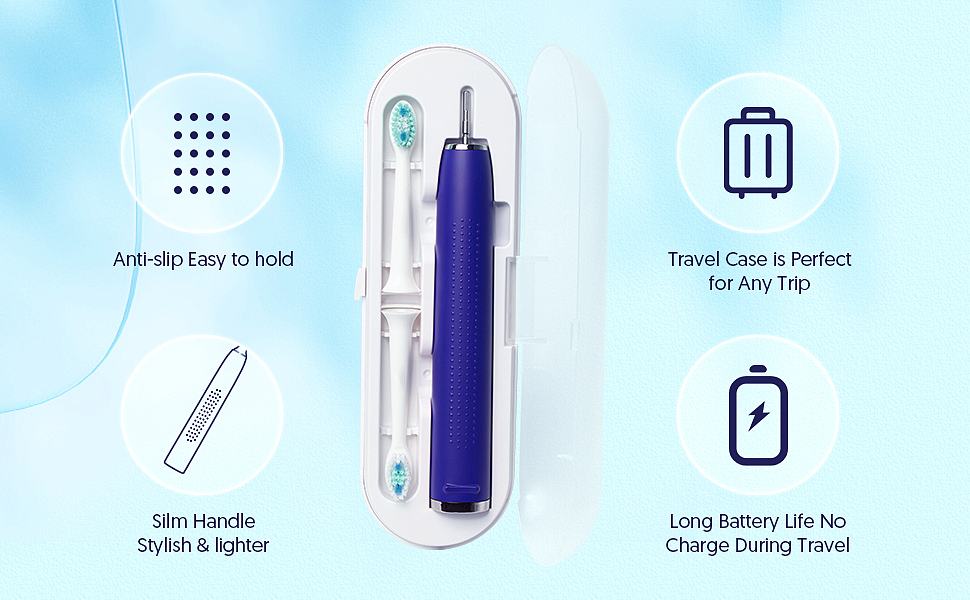
The brush head is where the energy generated by the motor is transferred to your teeth and the surrounding fluid. Its design is therefore critical. The FS11 uses bristles made from DuPont™ Tynex®, a material prized in the dental industry for its excellent durability, low water absorption, and high bend recovery. This means the bristles maintain their shape and effectiveness for longer. The engineered "W" shape is a deliberate choice in geometric design, intended to hug the natural curvature of the teeth, increasing surface contact and allowing the bristles to reach further between teeth. Each bristle tip is also meticulously rounded, a crucial step to prevent the abrasion of precious tooth enamel and irritation of the delicate gum tissue.
The Power Plant & Armor: Battery and Waterproofing
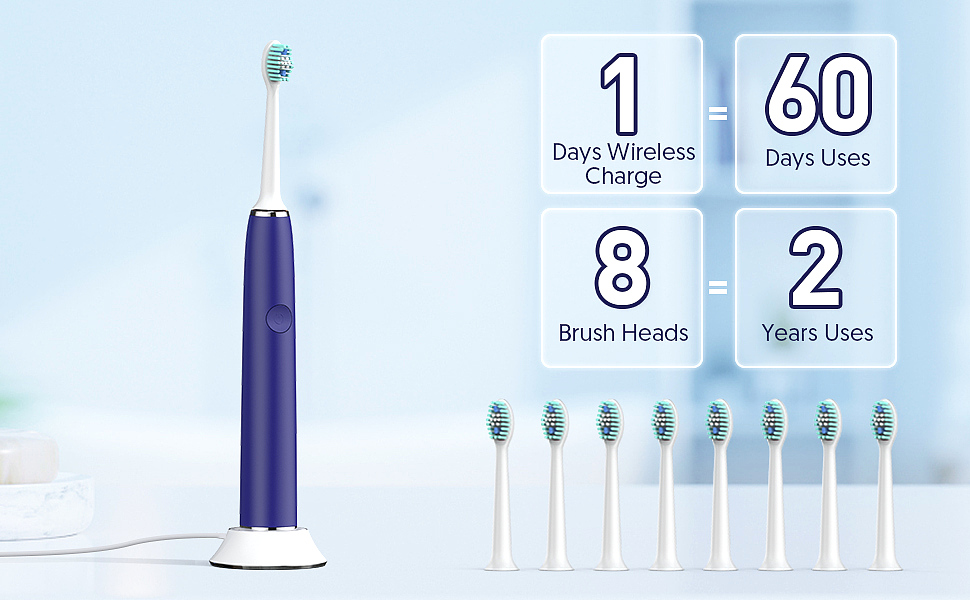
The user experience of a modern electronic device is often defined by its convenience and durability. The FS11's claim of a 60-day battery life from a 4-hour charge is a feat of modern battery engineering. It's made possible by high-energy-density lithium-ion cells, which pack more power into a smaller, lighter package. This, combined with an energy-efficient motor, frees the user from the constant hassle of charging.
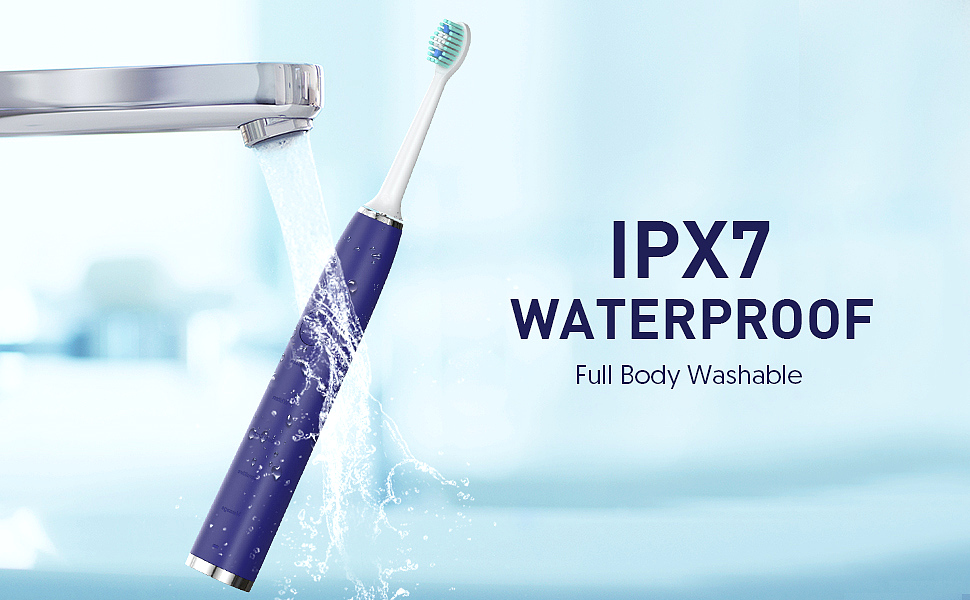
Furthermore, the bathroom is an inherently hostile environment for electronics. The IPX7 waterproof rating is not a marketing term; it is an international standard (IEC 60529) that guarantees the device can withstand submersion in up to 1 meter of water for 30 minutes. This is achieved through meticulous sealing and robust engineering, ensuring the device's longevity and allowing for safe use in the shower and easy, hygienic rinsing.
The Detective's Verdict: Technology is a Tool, Not a Panacea
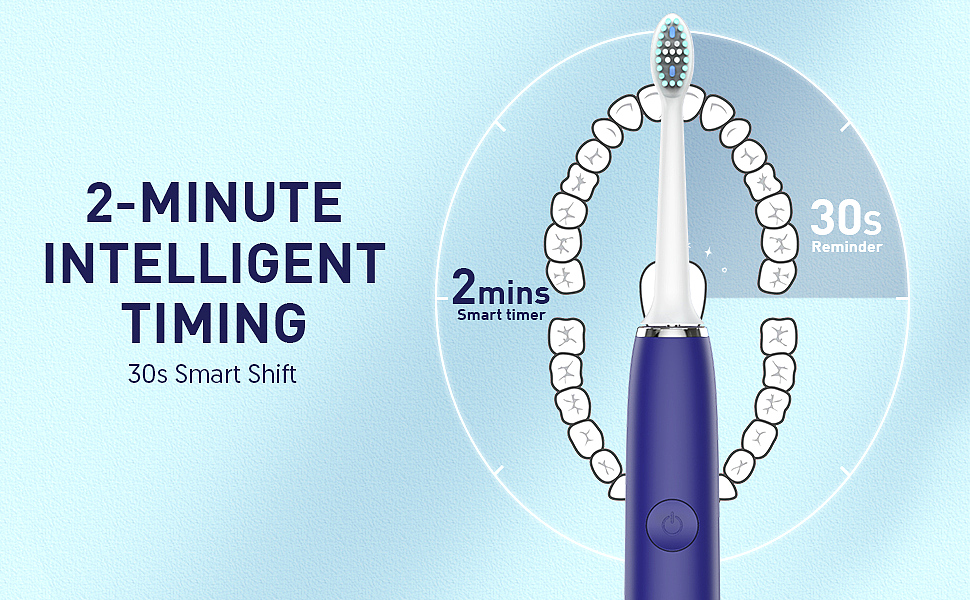
A sophisticated instrument like a high-performance sonic toothbrush places unprecedented cleaning power at your fingertips. Features like the built-in two-minute timer with 30-second quadrant-pacing, as seen on the FS11, are brilliant applications of behavioral science, designed to guide users toward dentist-recommended habits. It acts as an impartial coach, ensuring you dedicate enough time to every part of your mouth.
However, it is here that we must deliver our final, crucial verdict. The most advanced technology in the world cannot replace a good habit. A state-of-the-art sonic toothbrush used sporadically is infinitely less effective than a simple manual brush used correctly and consistently. This technology is designed to empower your habits, to make your twice-daily ritual dramatically more effective, not to serve as a magical solution. It is a tool, and like any tool, its ultimate effectiveness is determined by the skill and diligence of the person wielding it. The goal of understanding this science is not just to choose a better product, but to become a better, more informed steward of your own health—to become the chief scientist of your own oral ecosystem.
FUMEIKANG F Series-FS11 Electric Toothbrushes
Related Essays
The Unseen Force in Your Toothbrush: Deconstructing the Science of Sonic Cleaning

The Unseen Force: How Sonic Toothbrush Technology Redefines a Deeper Clean

Why Your Gums Need More Than Brushing: The Science of Sonic Cleaning

The Unseen Force: How Sonic Toothbrush Technology Redefines a Deeper Clean
The Unseen Force: How Sonic Toothbrushes Like the FUMEIKANG FS13 Revolutionize Your Oral Health
Beyond the Manual Brush: A Deep Dive into Sonic Toothbrush Technology
The Science of a Deeper Clean: An In-Depth Look at the Burst Sonic Toothbrush
Beyond the Brush: How 40,000 VPM Sonic Power Transforms Your Oral Health
The Unseen Force: How Sonic Toothbrushes Use Fluid Dynamics to Clean Where Bristles Can't