The Science of Unbinding: Electrostatics, Sonic Waves, and the IONIC KISS Approach
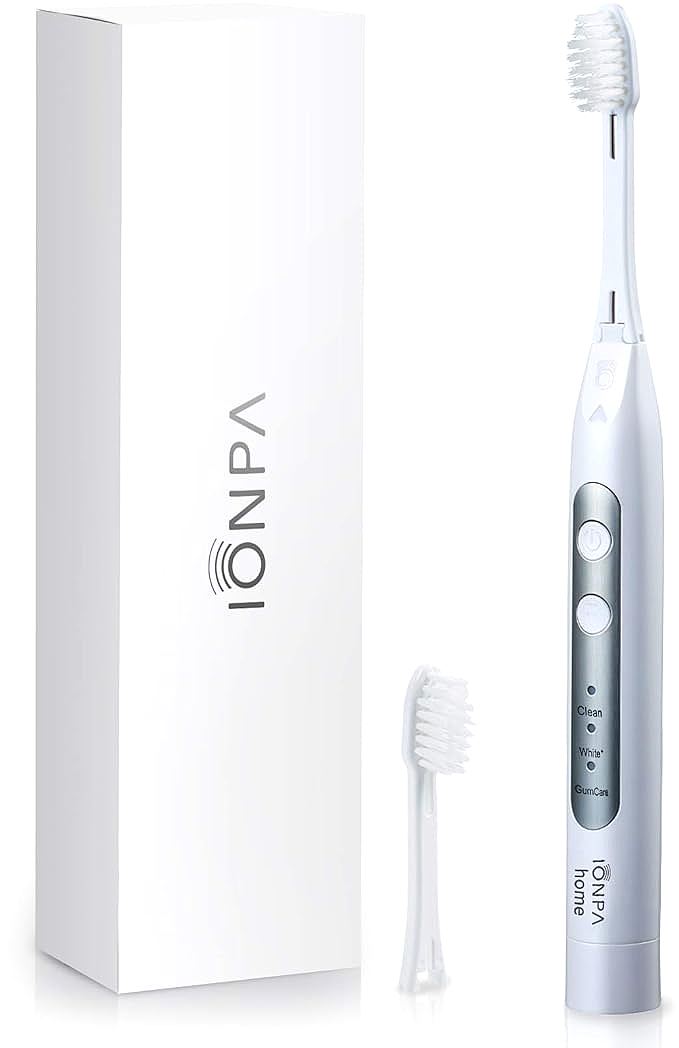
IONIC KISS DH-311PW Ionic Electric Toothbrush
In the traditional paradigm of dental hygiene, cleaning is viewed primarily as a mechanical challenge: applying friction to a surface to remove debris. We scrub, we scrape, and we polish. However, at the microscopic level, the adherence of dental plaque is not merely physical; it is electrical. The bond between bacteria and tooth enamel is forged by complex electrostatic forces. To truly address oral health, we must move beyond simple friction and consider the physics of adsorption and desorption.
This brings us to the IONIC KISS DH-311PW, a device that integrates sonic mechanics with bio-electrical engineering. Originating from Japan's meticulous approach to personal care, this tool represents a shift from "brushing harder" to "brushing smarter," leveraging the power of ions to dismantle the invisible glue that holds plaque in place.
The Electrostatic Glue: Why Plaque Sticks
To understand the solution, we must first decode the problem. Dental plaque is a biofilm—a structured community of bacteria. The surface of our teeth (enamel) typically carries a negative charge. Surprisingly, bacteria in plaque also tend to have a negative charge. In theory, they should repel each other.
However, saliva contains positively charged ions, primarily Calcium ($Ca^{2+}$), which act as a divalent bridge. These ions bind to both the negative tooth surface and the negative bacteria, creating a strong electrostatic sandwich that cements the plaque to the tooth. This is why mechanical brushing often leaves a microscopic layer of biofilm behind; the electrical bond remains intact.
The Circuit of Clean: How Ionic Technology Works
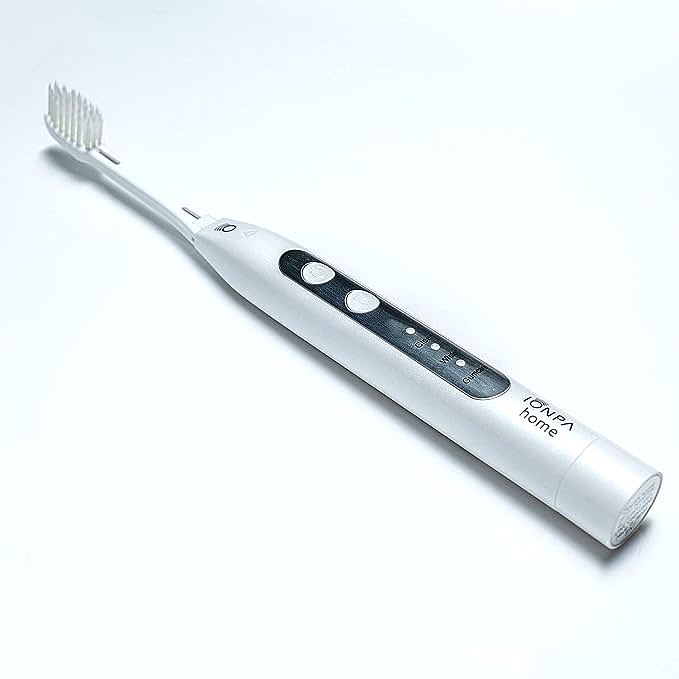
The IONIC KISS operates on the principle of polarity reversal. The device features a conductive metal plate on the handle, known as the IONPA technology. When the user holds the brush with a moist hand, a closed electrical loop is formed between the body, the arm, and the mouth.
- The Negative Flow: The brush head generates a stream of negative ions.
- Bridge Disruption: These negative ions flow into the oral cavity and interact with the positively charged Calcium bridges.
- Depolarization: By neutralizing the positive charge of the Calcium, the "bridge" collapses. The electrostatic bond between the plaque and the tooth is broken.
- Desorption: The plaque, now untethered from its electrical anchor, repels from the negatively charged tooth surface.
This process explains the unique "slick" or "squeaky clean" sensation users often report. It is the tactile feeling of the enamel being chemically stripped of its biofilm layer, a result that mechanical abrasion alone struggles to achieve.
The Kinetic Partner: Sonic Vibration
While ions loosen the bond, physical movement is still required to evacuate the debris. The DH-311PW pairs its ionic generator with a sonic motor capable of 22,000 to 26,000 strokes per minute.
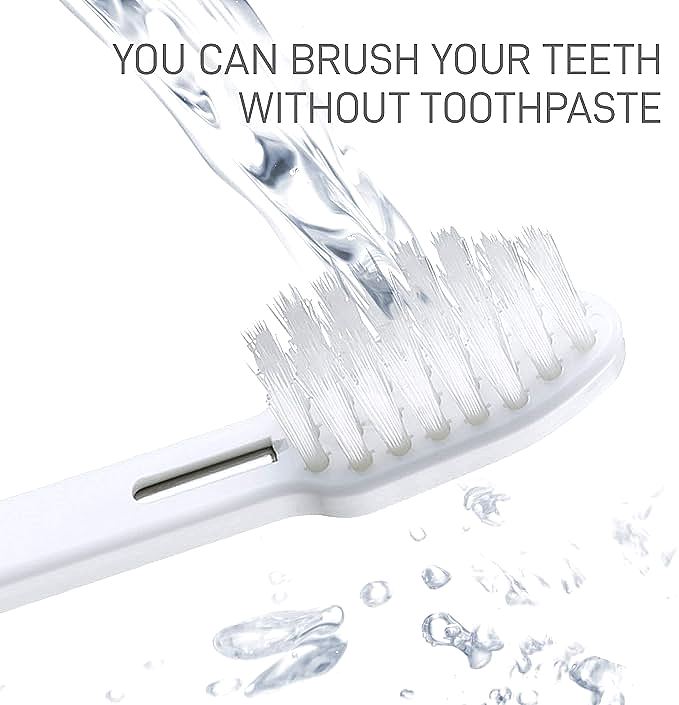
This frequency is carefully calibrated. It creates dynamic fluid forces that agitate the saliva and water mixture, flushing the loosened plaque out of the interdental spaces and the gingival sulcus. * Synergy: The ionic action acts as the "solvent," unbinding the dirt, while the sonic action acts as the "flow," washing it away. This dual-modality approach allows for effective cleaning even with minimal or no toothpaste, as the reliance on abrasive pastes is reduced.
Engineering Longevity: The Case for AAA Batteries
In a market dominated by sealed, rechargeable lithium-ion devices, the IONIC KISS makes a bold engineering choice: replaceable AAA batteries. At first glance, this might seem archaic. However, viewed through the lens of product longevity and sustainability, it is a feature of resilience.
- Anti-Obsolescence: The most common failure point in modern electric toothbrushes is the built-in battery losing its capacity to hold a charge. When the battery dies, the device becomes e-waste. By using user-replaceable batteries, the functional lifespan of the IONIC KISS is limited only by its motor, potentially lasting years longer than its rechargeable counterparts.
- Travel Independence: There is no proprietary charger to pack, lose, or break. AAA batteries are a globally available energy standard, making this device a true "go-anywhere" tool without the "charging anxiety" associated with varying voltages or lost cables.
Bio-Feedback: The User's Role
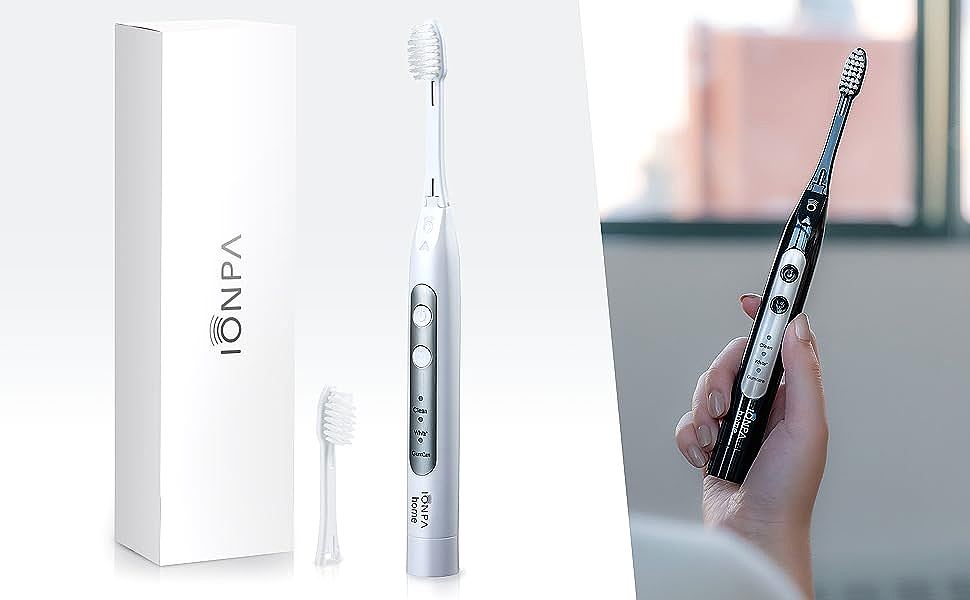
Using an ionic toothbrush requires a slight behavioral adjustment. The user must ensure their hand contacts the metal plate on the handle, and ideally, the hand should be slightly moist to ensure optimal conductivity. This turns the user from a passive operator into an active component of the cleaning circuit.
This subtle requirement fosters mindfulness during the hygiene routine. It reminds the user that they are engaging a technological process, not just scrubbing with a stick. The result is often a more deliberate, thorough brushing session, further contributing to oral health.
Conclusion: A Smarter Bond
The IONIC KISS DH-311PW represents a thoughtful convergence of physics and biology. By addressing the root cause of plaque adhesion—electrostatic attraction—it offers a solution that is fundamentally different from standard mechanical brushing. Combined with a pragmatic approach to power and design, it stands as a tool for those who seek a deeper, scientifically grounded clean, free from the tethers of charging cables and the limitations of friction alone.
IONIC KISS DH-311PW Ionic Electric Toothbrush
Related Essays
