Unchained Hydrodynamics: The Engineering of Consistent Pressure in Portable Oral Care
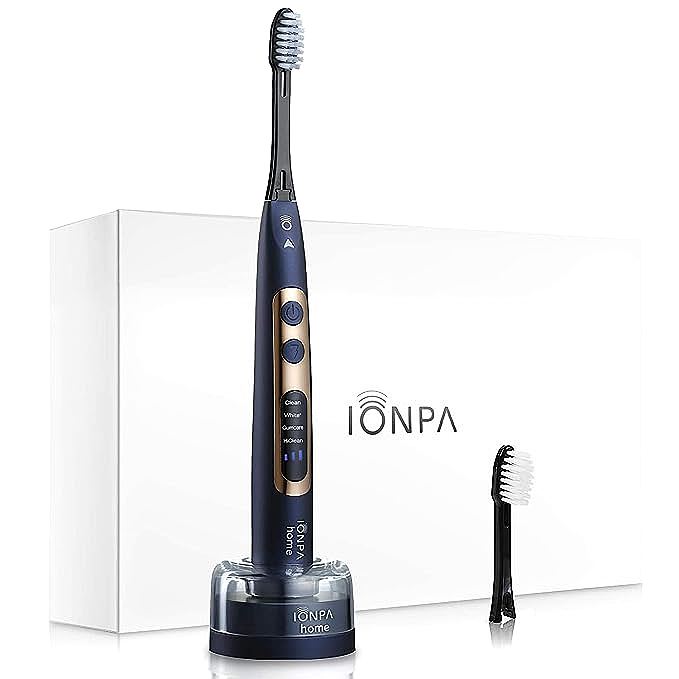
IONIC KISS IONPA DP Navy Blue Premium USB Rechargeable Ionic Power Electric Toothbrush
In the realm of oral hygiene, consistency is the arch-nemesis of dental plaque. The biological reality is that biofilm begins to reform within minutes of removal. Therefore, the effectiveness of an oral care routine is not defined by how well you clean your teeth when you are perfectly set up in your master bathroom, but by how well you maintain that standard when you are tired, traveling, or rushing between meetings.
This brings us to the engineering paradox of portable water flossers. For years, users faced a compromise: sacrifice the raw, unyielding power of a countertop unit for the convenience of a cordless one. The primary culprit was not just the size of the pump, but the physics of the battery. As a battery drains, its voltage drops. In a standard direct-current (DC) motor, a drop in voltage means a drop in speed, which translates directly to a weaker water jet.
However, a new generation of devices, exemplified by the PONYFREE CWF-C2, is rewriting this equation through the application of Pressure Stabilization Technology. This is not merely a feature; it is a fundamental shift in how we manage mobile hydrodynamics.
The Physics of "Fade": Why Most Portable Flossers Fail
To understand the innovation, we must first diagnose the problem. Biofilm disruption requires a specific threshold of shear stress. If the water pressure falls below this threshold, the jet might still rinse away loose food (the "macro-debris"), but it fails to strip away the sticky matrix of bacteria (the "micro-structure").
In conventional cordless flossers, the experience follows the battery's discharge curve. At 100% charge, the pressure is high. By 50% charge, the motor slows, and the pressure sags. The user might not consciously notice the subtle decrease, but the biological outcome changes: the device transitions from a therapeutic medical tool to a simple rinsing gadget.
Pressure Stabilization Technology acts as an electronic governor. It utilizes a control algorithm (similar to a PID controller found in industrial automation) that monitors the motor's output. As the battery voltage naturally sags, the system compensates to ensure the pump delivers a constant force. Whether the battery is at 90% or 20%, the shear force applied to the gumline remains identical. This consistency is critical for clinical efficacy, ensuring that "portable" does not mean "inferior."
Calibrating the Pulse: The 1300 PPM Sweet Spot
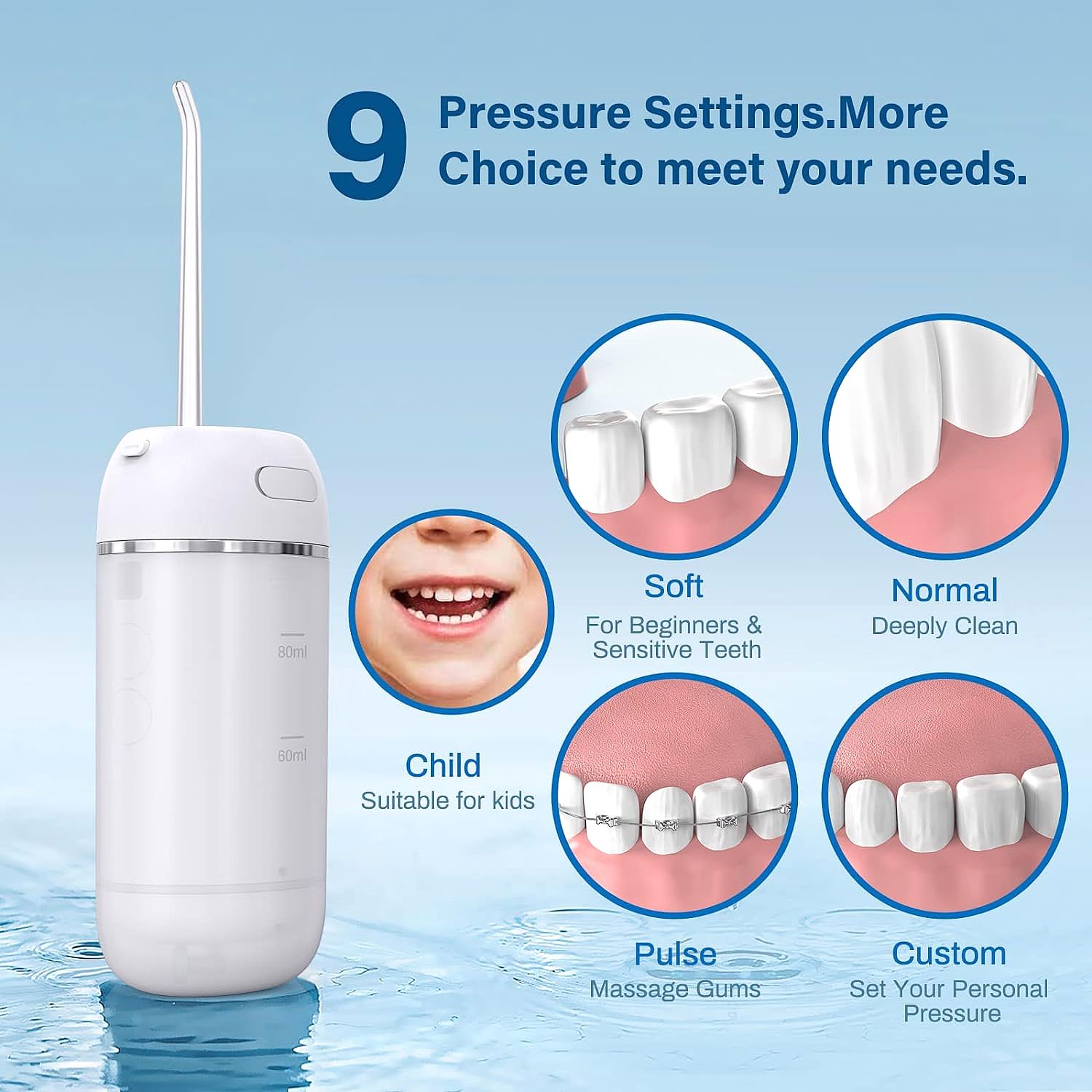
Power needs control, and in fluid dynamics, frequency is just as important as pressure. The PONYFREE device operates at a frequency of 1,300 pulses per minute.
Why this specific number? Research in periodontology suggests a "Goldilocks zone" for pulsation. Frequencies that are too low feel jerky and uncomfortable; frequencies that are too high blend into a continuous stream, losing the "impact-flush" cycle necessary for dislodging debris from periodontal pockets.
At 1,300 PPM, the water jet provides a distinct compression-decompression cycle on the gum tissue. This frequency is high enough to feel continuous to the user but distinct enough to create the micro-hydraulic shocks required to fracture the biofilm structure. Combined with a pressure range of 25 to 120 PSI, this calibration allows for a versatile approach—gentle enough for inflamed tissues (using Soft Mode) yet powerful enough to mimic the intensity of a countertop unit for deep cleaning.
The Challenge of Micro-Hydraulics: Sealing the System
Shrinking a high-pressure hydraulic system into a handheld device introduces a new set of engineering challenges, primarily centered on ingress protection. Water and electricity are a volatile mix, especially when that water is pressurized.
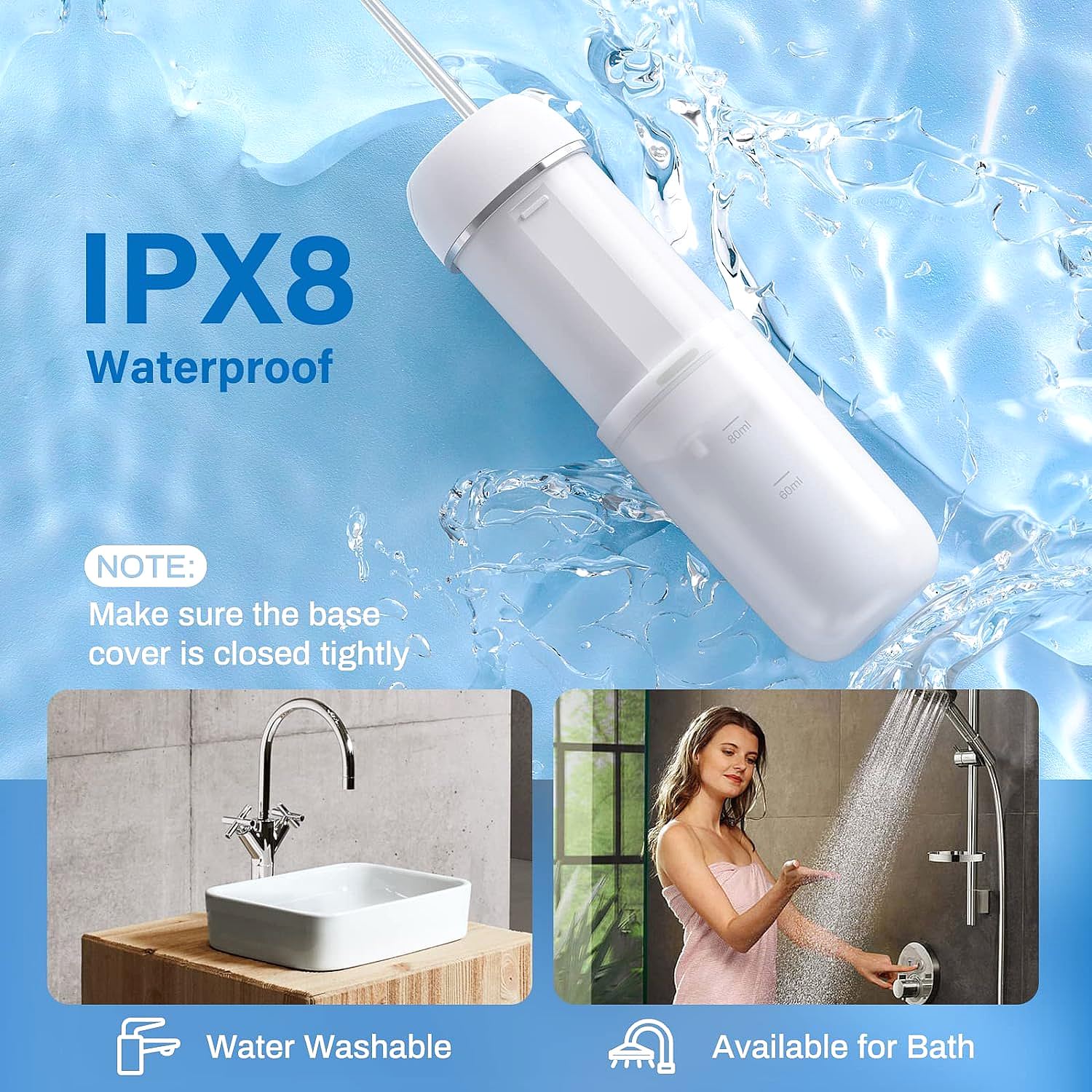
Reliable portable units must employ a dual-layer defense. The IPX7 waterproof rating found in high-end models indicates that the device is sealed against immersion up to 1 meter. But true durability comes from internal compartmentalization—isolating the battery and motherboard from the pump assembly and the water path. This prevents the internal humidity and condensation, inevitable in a bathroom environment, from corroding the control electronics over time.
The User Interface of Compliance
Ultimately, the best water flosser is the one you actually use. In the context of travel or a cramped apartment, usability features become compliance features.
- Acoustic Engineering: Operating at <65dB, modern portable units address the "noise anxiety" of using a device in a shared hotel room or thin-walled apartment.
- Battery Density: A 30-day battery life significantly reduces the "friction" of ownership. By eliminating the need to pack a charger for most trips, the device encourages users to maintain their routine without the logistical burden of cable management.
- Memory Function: The ability of the device to remember the last used pressure setting streamlines the daily interaction, saving the user from having to cycle through modes every single morning.
Conclusion: Consistency is the Cure
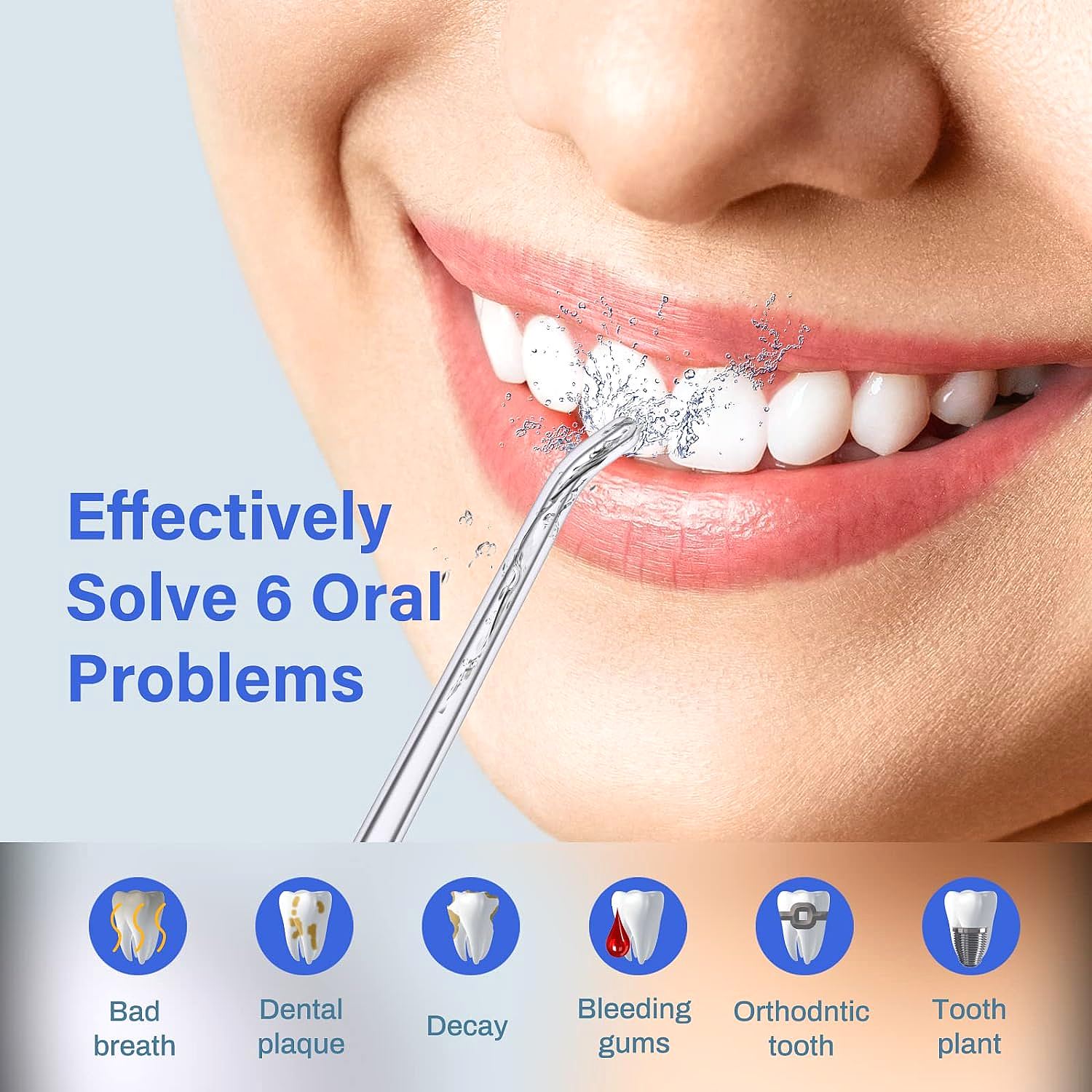
The transition from manual flossing to powered irrigation is a leap in efficacy, but maintaining that efficacy on the road has historically been a challenge. The integration of pressure stabilization technology into compact devices like the PONYFREE CWF-C2 marks a maturity in the market.
It signifies that we no longer need to choose between the freedom of portability and the rigorous demands of oral biology. By stabilizing the physics of the water jet, we stabilize the health of the gums, ensuring that the war against biofilm is won not just at home, but everywhere life takes us.
IONIC KISS IONPA DP Navy Blue Premium USB Rechargeable Ionic Power Electric Toothbrush
Related Essays
