The Science of Reflection: Optical Fidelity and Material Engineering in Bathroom Fixtures

AXOR Universal Rectangular Shaving Mirror in Chrome, 42649000
In the hierarchy of household spaces, the bathroom presents a unique engineering challenge. It is a zone of extremes: fluctuating temperatures, high humidity, and constant exposure to chemical agents like soaps and cleaners. Yet, it is also the place where we demand the highest level of visual precision. Whether shaving, applying makeup, or performing detailed skincare, the clarity of our reflection is paramount.
Often, the difference between a functional tool and a source of daily frustration lies not in the obvious features, but in the microscopic details of manufacturing and material science. By examining high-specification fixtures—such as the AXOR Universal Rectangular Shaving Mirror—we can decode the critical elements that contribute to enduring optical fidelity and structural integrity.
The Physics of a Perfect Plane: Eliminating Distortion
At a fundamental level, a mirror is a precision optical instrument. Its primary function is to reflect photons with absolute predictability. However, anyone who has looked into a low-quality mirror knows the disorientation of a "funhouse" effect—where straight lines appear curved and reflections warp as you move.
This distortion is rarely a flaw in the glass itself, but rather in the substrate flatness. For a mirror to provide a clinical-grade reflection, the glass must be floated on a perfectly level medium during cooling, and critically, it must be mounted on a frame that does not torque or bend under its own weight or thermal expansion.
When we analyze fixtures with substantial mass—like the 4-pound construction of the AXOR model—we are seeing a deliberate engineering choice. A heavy, rigid metal frame acts as a stabilizer. It prevents the glass from flexing on the micro-scale, ensuring that the "angle of incidence equals the angle of reflection" remains true across the entire surface. For tasks requiring sub-millimeter precision, such as navigating a razor blade, this planar stability is the difference between a clean shave and an accidental nick.
The Chemistry of Chrome: More Than Just Aesthetic
Chrome is often dismissed as a mere decorative choice, synonymous with "shiny." However, in the context of material science, chromium is a functional powerhouse. The chrome finish found on premium fixtures serves as a formidable armor against the hostile bathroom environment.
The process of electroplating creates a surface that is chemically inert. Upon exposure to oxygen, chromium instantly forms a microscopic, impermeable layer of chromium oxide. This "passive film" is self-healing; if scratched, it reforms, sealing the base metal away from moisture and preventing oxidation.
Decoding Durability Indicators
When evaluating bathroom accessories, distinct "quality signals" can reveal the expected lifespan of the product:
- Weight vs. Volume: A high density implies the use of solid brass or high-grade steel alloys rather than hollow zinc or plastic. This density combats galvanic corrosion, a common failure point where light, cheap metals dissolve when in contact with moisture and other metals.
- Surface Uniformity: A flawless reflection on the frame itself indicates a high-quality plating process. Pits or waves in the chrome suggest a rushed electroplating bath, which will eventually lead to peeling and rust.
Geometry and Perception: The "Universal" Design Language
Beyond physics and chemistry, the architecture of a mirror influences how we perceive space. In modern interior design, the shift towards geometric minimalism—specifically cubic and rectangular forms—is not just a stylistic trend but a spatial strategy.
Rectangular forms, like those seen in the AXOR Universal collection, align with the architectural lines of tiles, vanities, and walls. This alignment reduces "visual noise." In a compact room like a bathroom, distinct geometric shapes create a sense of order and calm. A rectangular mirror frames the face in a way that mimics a portrait or a screen, providing a familiar, focused field of view that feels natural to the modern eye.
This "Universal" design language, rooted in the principles of the Bauhaus movement, prioritizes function and clarity. By stripping away ornamental excess, the object becomes timeless. It integrates seamlessly with various styles, from the starkly industrial to the warm contemporary, ensuring that the fixture remains relevant even as trends evolve.

Ergonomics of the Wall Mount
The final piece of the puzzle is positioning. A static mirror above a vanity often forces the user to lean forward, compromising posture and lighting. A wall-mounted, adjustable mirror brings the image to the user.
This ergonomic advantage allows for a relaxed, upright posture. It enables the user to adjust the viewing angle to catch the optimal light, eliminating shadows that obscure detail. When installed correctly, such a mirror becomes an extension of the user's ritual, offering flexibility that static fixtures cannot match.
Conclusion: The Value of Substance
A mirror is a deceptively simple object. Yet, as we have explored, the gulf between a basic looking glass and a precision instrument is vast. It spans the physics of light, the chemistry of corrosion resistance, and the psychology of design.
Whether you are selecting the AXOR Universal Rectangular Mirror or evaluating other options, look beyond the reflection. Feel the weight of the materials. Inspect the uniformity of the plating. Consider the geometry. In these details lies the assurance that the clarity you see today will endure through years of steam, splashes, and daily scrutiny. True quality, ultimately, is the ability to perform flawlessly while going unnoticed.
AXOR Universal Rectangular Shaving Mirror in Chrome, 42649000
Related Essays

An Engineer's Autopsy of Pet-Tech: How a Single Design Flaw Creates Catastrophic Failure
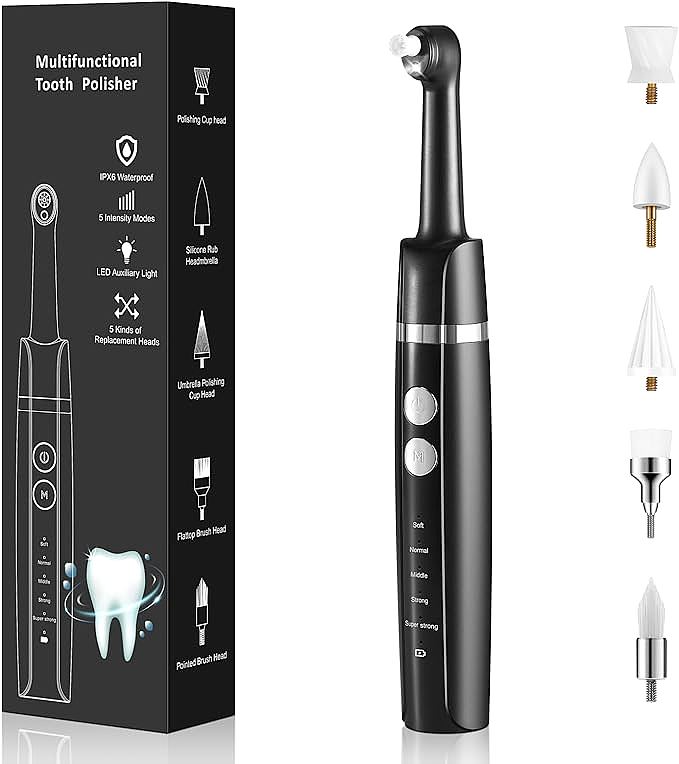
Barlisam WD-JY-B01 Tooth Polisher: A Versatile Dental Care Kit for Deep Cleaning and Whitening

Cleaning with Light: The Physics of How Lasers Vaporize Rust

Painting with Physics: The Science of Creating Color and Form with Light

The Symphony of Failure: What a Broken Carpet Cleaner Reveals About Engineering

The Physics of a Perfect Shine: How We Engineer Light on the Floors Beneath Us

The 7-Pound Contradiction: Unseen Physics in Your Household Gadgets

The Physics of Fluff: Why Your Brain Is Hardwired to Love Shaved Ice

The Invisible Intelligence: How Everyday Machines Master Material Science
