Not Just a Buzz: Why Smart Tech Is Transforming the 60-Second Clean

Mova Fresh Pro Electric Toothbrush
Most of us spend roughly 700 hours of our lives standing in front of a bathroom mirror, engaging in the daily ritual of brushing our teeth. Despite this dedication, dental statistics reveal a frustrating truth: nearly 90% of tooth decay and gum disease stems from plaque that we simply miss. The problem isn't usually a lack of effort, but rather the limitations of human dexterity combined with outdated tools. We scrub harder, thinking it cleans better, only to damage our enamel, or we rush through the process, leaving bacteria to thrive in the gumline.
The intersection of robotics and personal care is finally addressing these biological blind spots. Modern oral hygiene is moving away from simple vibration toward calculated precision, leveraging technology previously reserved for industrial automation.
The Mechanics of Efficiency
The traditional "two-minute rule" for brushing exists largely to compensate for the inefficiency of manual scrubbing. When you rely on hand motion, achieving the necessary strokes to dislodge biofilm—the sticky community of bacteria that forms plaque—takes time. However, recent advancements in motor technology are challenging this time constraint.
By utilizing high-torque servo and stepper motors, engineers can now generate complex motion patterns that human hands cannot replicate. This is distinct from standard oscillating brushes. The goal is "3DClean" technology, where bristles vibrate up and down, sweep side-to-side, and rotate simultaneously. This creates a cleaning vortex capable of disrupting plaque matrices much faster.
The Mova Fresh Pro serves as a prime example of this engineering shift. Instead of relying on a single motor type, it integrates dual motors to drive a 3-in-1 brush head. This configuration allows for a "1-Minute Refreshing Experience," aiming to achieve deep cleaning outcomes in half the standard time. By delivering targeted kinetic energy, the device seeks to maximize efficacy for busy users who might otherwise rush their routine.

The Danger of Hidden Force
A common misconception in oral care is that cleaner teeth require more elbow grease. In reality, brushing too hard is a leading cause of gingival recession and abrasion lesions on tooth necks. The challenge lies in proprioception—we often cannot accurately judge the force we are applying until the damage is done.
Smart electric toothbrushes address this through embedded sensors. Similar to how a car's ABS system prevents skidding, an AI Pressure Sensing system monitors the load applied to the brush head thousands of times per second. When the force exceeds safe thresholds, the device intervenes.
Implementation varies, but effective systems provide real-time feedback. The Mova Fresh Pro utilizes a Smart Light Ring that flashes red instantly upon detecting excessive pressure. Crucially, it goes a step further by automatically reducing the vibration frequency. This active intervention protects soft tissue from trauma, acting as a safeguard for users with sensitive gums who might unconsciously press too hard in pursuit of a "clean feeling."

Data-Driven Oral Hygiene
The "Quantified Self" movement has normalized tracking our steps, sleep, and heart rate. Oral health is the next logical frontier. Blindly brushing without feedback is akin to practicing archery in the dark; you never know if you are hitting the target.
Bluetooth connectivity transforms a toothbrush from a tool into a data collection point. By pairing with a mobile application, users can visualize their brushing habits. Heat maps show neglected areas, while timer logs ensure consistency. Customization is another key benefit. Generic "high" and "low" settings are often insufficient for diverse dental needs. Advanced apps allow users to fine-tune parameters like vibration frequency, amplitude, and speed.
For instance, the Mova Fresh Pro connects to the MOVAhome App, offering 10 adjustable intensity levels. This allows a user to program a gentle, low-amplitude session for gum massage one day, and a high-frequency deep clean the next. This level of personalization ensures the tool adapts to the user, rather than forcing the user to adapt to the tool.
Engineering for the Traveler
Maintaining routines while traveling is notoriously difficult. The bulky charging bases and limited battery life of early electric toothbrushes often forced travelers to revert to manual brushes during trips, disrupting their oral care regimen.
Modern power efficiency standards have reshaped this landscape. Lithium-ion battery optimization now allows for extended use periods—often up to 30 days—on a single charge. This eliminates the "range anxiety" of dental care. Furthermore, physical design has evolved to prevent the common annoyance of a toothbrush buzzing uncontrollably inside a suitcase.
Design features like the Mova Fresh Pro's Smart Mistouching Protection Mode demonstrate this attention to detail. The device automatically locks to prevent accidental activation. Combined with an IPX7 waterproof rating (allowing for shower use) and a sleek travel case, these features acknowledge that high-performance oral care must fit into a mobile lifestyle, not anchor you to a bathroom outlet.

Technology alone is not a cure-all; it requires consistent use and proper technique. However, by integrating precise motor control, intelligent pressure feedback, and data visualization, we can finally bridge the gap between our good intentions and the biological reality of oral health. Investing in the right tools transforms a mundane chore into a scientifically optimized health intervention.
Mova Fresh Pro Electric Toothbrush
Related Essays

Panasonic EW-DT72-S Doltz Top Model Silver Electric Toothbrush: Achieve a Deeper Clean with Sonic Vibration Technology

The Unseen Battle in Your Mouth: A Deep Dive into the Philips Sonicare 7000 System's Technology
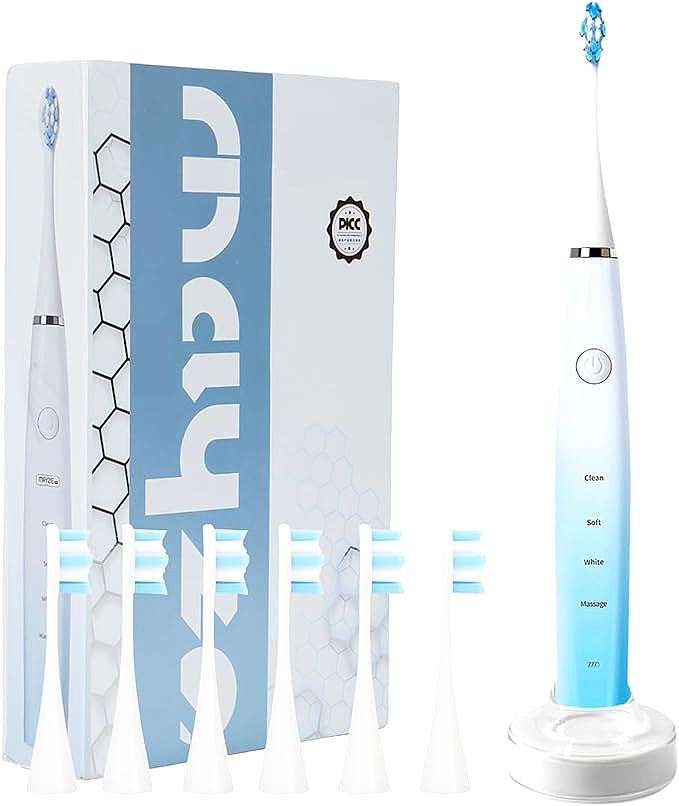
Beyond the Buzz: The Science of Sonic Toothbrushes and 40,000 VPM Cleaning
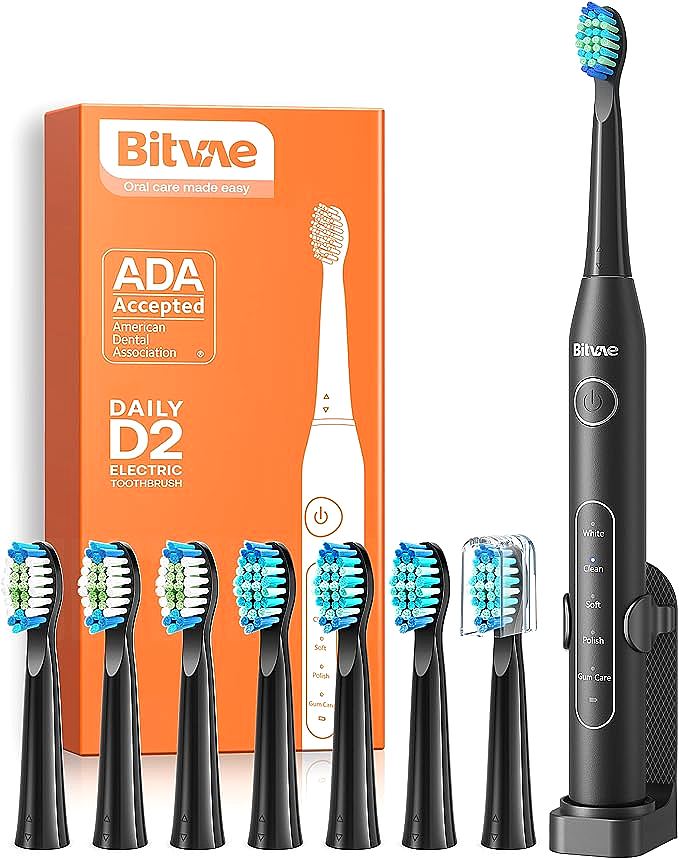
Bitvae D2 Electric Toothbrush: Sonic Cleaning for a Healthier Smile
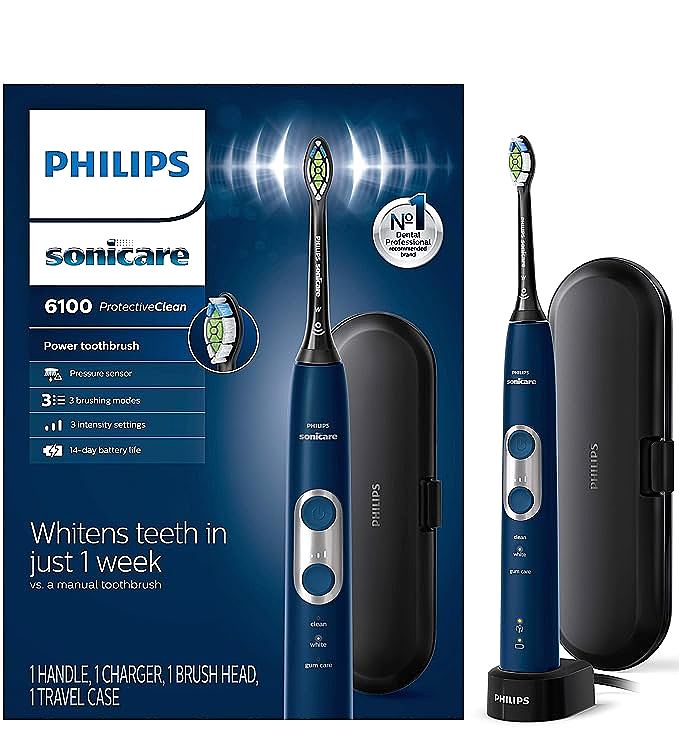
Philips Sonicare ProtectiveClean 6100 : Whiter Teeth & Healthier Gums
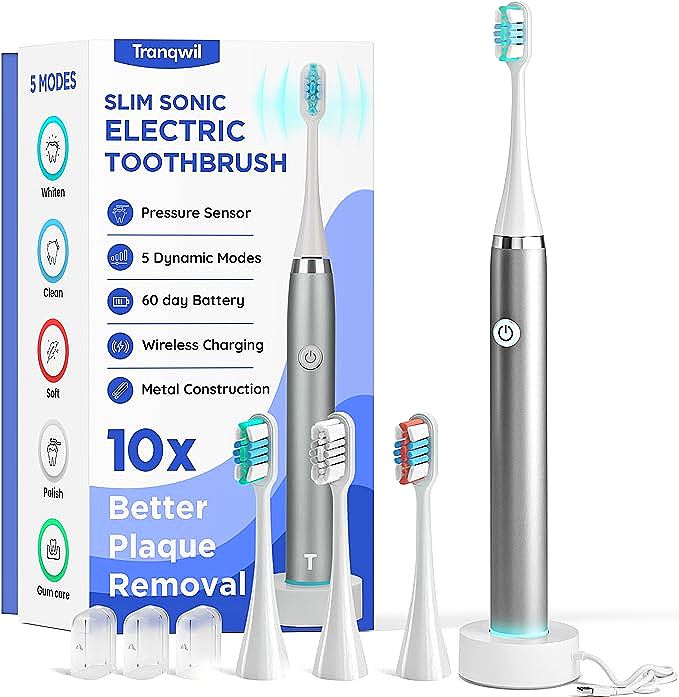
Tranqwil Slimsonic Electric Toothbrush - Powerful Cleaning with Advanced Features

Philips Sonicare ExpertClean 7500(HX9690/05): A Deep Dive into Sonic Cleaning Technology
Rtauys Rechargeable Sonic Electric Toothbrush: Unlock a Healthier Smile with Sonic Power
The Invisible War in Your Mouth: How Water Flossers Like the Nicefeel FC159 Engineer a Deeper Clean
