The Kinetic Shift: Vibrational Mechanics and the Future of Interdental Health

SLATE Electric Flosser
For decades, the gold standard of interdental cleaning has remained remarkably primitive: a simple nylon string, manipulated by human fingers. While effective in theory, the reality of manual flossing is often fraught with user error, physical discomfort, and poor compliance. The dental industry has long sought a bridge between the clinical necessity of cleaning between teeth and the practical limitations of human dexterity. The answer, it appears, lies not in changing the string, but in changing the physics of its movement.
Emerging technologies, such as the SLATE Electric Flosser, represent a paradigm shift from static mechanical scraping to dynamic vibrational disruption. This evolution is not merely about convenience; it is about leveraging the principles of kinetics and anatomy to achieve a standard of hygiene that manual manipulation struggles to replicate.
The Physics of Insertion: Overcoming the Contact Point
One of the primary barriers to effective flossing is the "contact point"—the tight space where two teeth touch. With manual floss, forcing the string past this point often requires significant downward pressure, which can result in a sudden snap against the delicate gingival tissue (gums), causing pain and trauma.
Electric flossers introduce a critical variable: Sonic Vibration. Devices like the SLATE operate at frequencies up to 14,000 strokes per minute. From a physics perspective, this vibration significantly reduces the coefficient of friction between the floss and the tooth enamel. Just as an electric knife glides through food more easily than a static one, a vibrating floss head can navigate tight contact points with minimal force. This "kinetic insertion" protects the gums from trauma while ensuring the floss reaches the critical sulcus area where plaque accumulates.
Beyond Debris: Stimulating the Gingival Architecture
While removing food particles is the visible goal of flossing, the biological imperative is biofilm disruption and tissue stimulation. The gum tissue, or gingiva, benefits from mechanical stimulation, which promotes blood circulation and keratinization (toughening) of the epithelial tissue.
Traditional floss is often too thin to effectively massage the gums without cutting them. This is where anatomical engineering comes into play. Advanced floss heads, such as those found on the SLATE, incorporate specific structural elements like "Gum Sweeps"—silicone ribs or bristles positioned adjacent to the floss strand.

As the device operates, these sweeps vibrate against the gum papilla (the triangle of gum between teeth). This action mimics a high-frequency massage, stimulating localized blood flow and aiding in the removal of plaque from the gum surface, a zone often neglected by string alone. This dual-action—cleaning the tooth surface while conditioning the gum tissue—creates a holistic environment for oral health that static tools cannot achieve.
Material Science: The Woven Advantage
The efficacy of the cleaning element itself—the floss string—is also subject to material science innovation. Monofilament flosses (like Teflon tape) are smooth and slide easily, but they often slide over plaque rather than grabbing it.
To maximize biofilm adhesion, a textured surface is superior. The SLATE utilizes a woven floss composed of 400 individual strands. This multi-filament structure creates a vast microscopic surface area. When combined with sonic vibration, these strands act like a high-speed scrubbing net, trapping and disrupting the sticky matrix of bacteria (EPS) that forms plaque. The vibration ensures that these micro-filaments engage with the irregular contours of the tooth surface, providing a level of mechanical disruption that a smooth, static tape cannot match.
The 360-Degree Approach: Tongue Hygiene
Oral health is a system, and the tongue is a significant reservoir for bacteria, particularly those responsible for volatile sulfur compounds (bad breath). Integrating tongue cleaning into the flossing workflow is a logical step in "routine consolidation."

By embedding a 3-blade tongue scraper directly into the device handle, the engineering encourages a complete cleaning cycle. The vibration from the motor enhances the scraping action, helping to dislodge bacteria from the deep crevices of the tongue's papillae more effectively than a manual drag.
Behavioral Engineering: The Compliance Factor
Ultimately, the best hygiene tool is the one that is actually used. Manual flossing is often cited as one of the most skipped personal care habits due to its difficulty and "ick factor" (putting fingers in the mouth).
The electric flosser solves this through behavioral engineering. By mechanizing the difficult parts of the process (insertion and scrubbing) and removing the need for manual dexterity, it lowers the "activation energy" required to perform the habit. Users with braces, permanent retainers, or limited mobility find that the barrier to entry is virtually removed. The satisfaction of the "Roll & Sweep" technique—rolling the device to wrap the floss around the tooth—turns a chore into a satisfying tactile ritual.

Conclusion: The Era of Smart Interdental Care
The transition from manual to electric toothbrushes revolutionized how we clean the surfaces of our teeth. We are now witnessing a similar transformation in how we clean between them. Devices like the SLATE Electric Flosser are not just novelties; they are the application of sound kinetic and biological principles to a century-old problem. By reducing friction, enhancing stimulation, and simplifying the user experience, vibrational flossing offers a scientifically superior path to long-term gingival health.
SLATE Electric Flosser
Related Essays
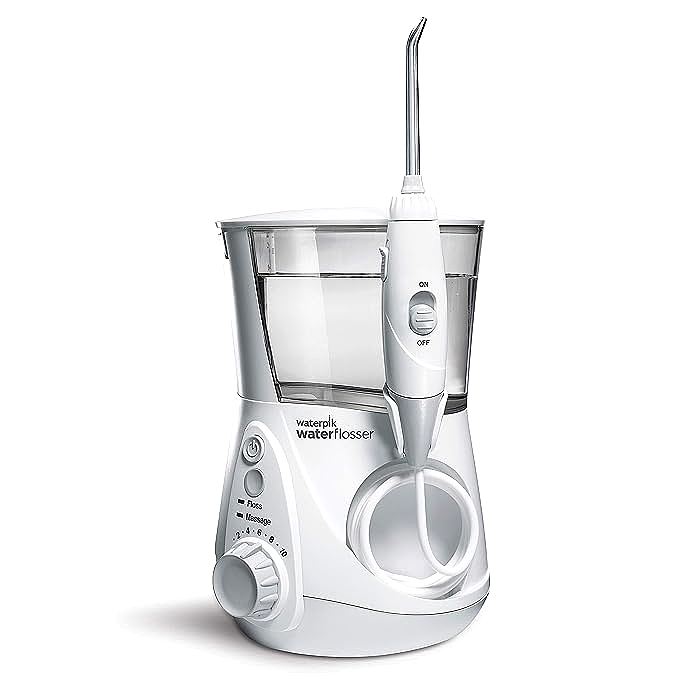
Beyond the Rinse: The Hydrodynamic Science of the Waterpik Aquarius WP-660
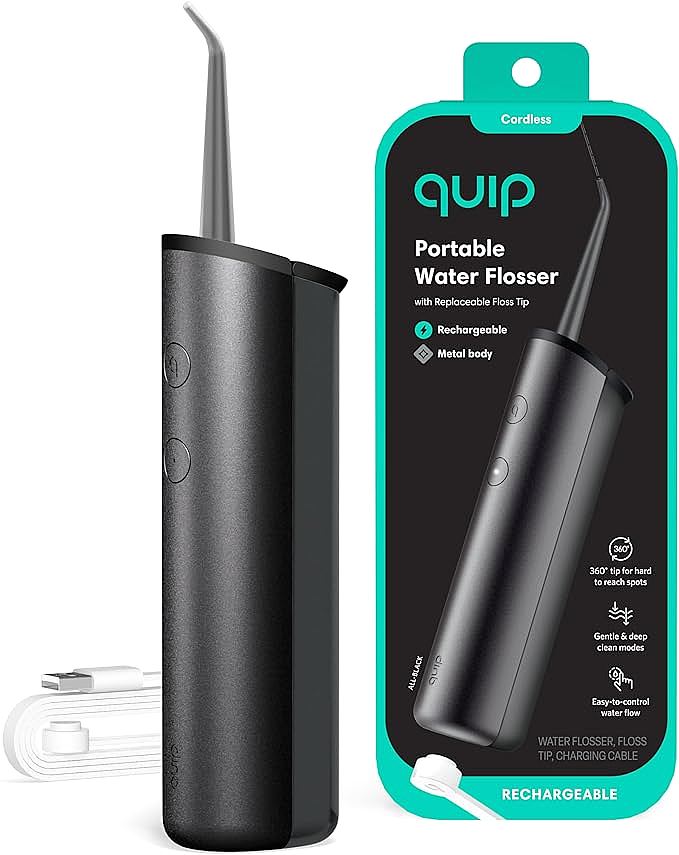
Beyond the Brush: The Fluid Dynamics of a Deeper Clean and Why Your Gums Will Thank You

FLAUS 2FK-MASS-B1 Electric Flosser: A Revolutionary Approach to Oral Hygiene

The Anatomy of a Modern Clean: Deconstructing the Science of the SLATE Electric Flosser
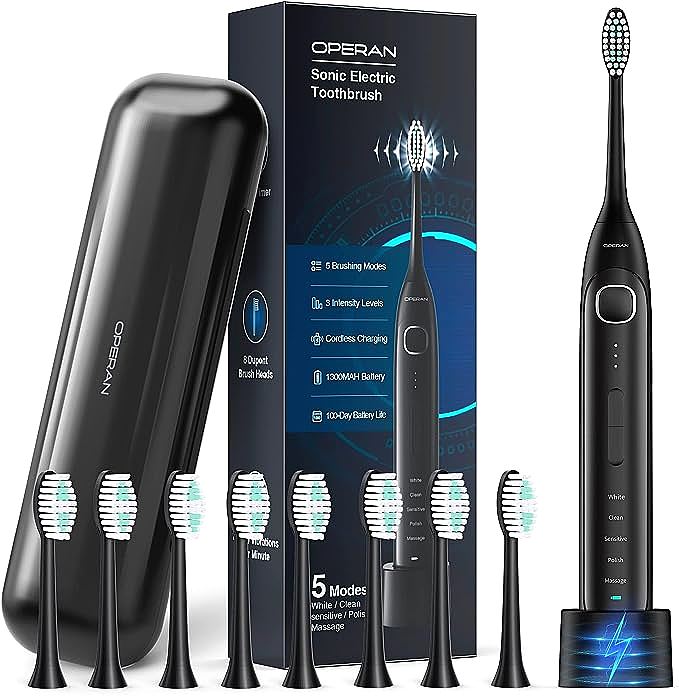
Sonic Science: How 40,000 VPM Transforms Oral Health
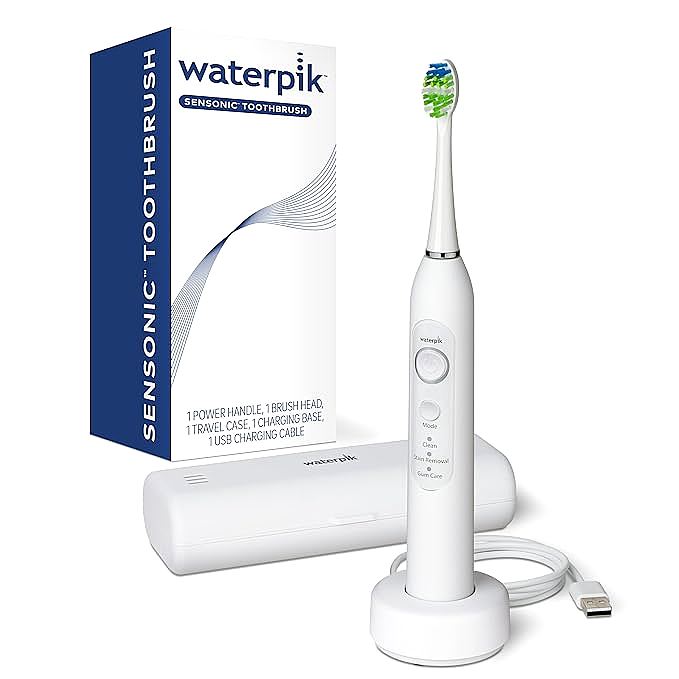
Hydrodynamic Resonance: The Physics of Non-Contact Cleaning and the Fluid Dynamics of Sonic Dentistry

Beyond the Bristles: The Fluid Dynamics of Sonic Oral Hygiene and the Physics of Biofilm Disruption
Beyond Mechanical Scrubbing: The Fluid Dynamics of Biofilm Disruption and the Science of Micro-Bubble Cavitation
Fluid Dynamics in Orthodontics: Mastering Non-Contact Cleaning with Precision Irrigation
