The Quantified Smile: How AI and Biofeedback Are Redefining Oral Hygiene

Oral-B D706.533.6x Corded ElectricGenius X Toothbrush
The act of brushing teeth is perhaps the most universally performed, yet frequently misunderstood, personal hygiene ritual. For decades, the prevailing logic was simple: scrub harder, scrub longer. However, modern dentistry reveals that this aggressive approach often does more harm than good, contributing to gum recession and enamel abrasion. We are now witnessing a paradigm shift in oral care, moving away from simple manual tools toward sophisticated devices that offer "biofeedback"—real-time data about our biological interactions.
This evolution is exemplified by the rise of AI-powered oral care systems. These are not merely motorized brushes; they are data collection points designed to map the complex topography of the human mouth. By integrating sensors and algorithmic learning, devices such as the Oral-B Genius X serve as a prime case study in how technology is attempting to correct a lifetime of imperfect muscle memory.
The Physics of Plaque Disruption
To understand the value of high-end electric instruments, we must first look at the "First Principles" of cleaning. Plaque is a sticky biofilm that adheres tenaciously to tooth surfaces. Manual brushing relies on the user's hand speed—typically 300 strokes per minute—and mechanical friction.
In contrast, advanced electric systems utilize Oscillating-Rotating-Pulsating technology. This three-dimensional movement creates a dynamic cleaning environment. The pulsation breaks up the biofilm structure, while the oscillation and rotation sweep it away. * Engineering Insight: Users often comment on the intense "mechanical" feel or noise of these devices compared to manual brushes. This is not a design flaw but a physical necessity; high torque is required to maintain consistent oscillation speed against the resistance of tooth enamel, ensuring plaque is disrupted without requiring the user to apply heavy manual force.
The Silent Epidemic: Over-Brushing and the Role of Sensors
One of the most critical issues in home dental care is "toothbrush abrasion." Many individuals, in a quest for cleanliness, apply excessive force, effectively sanding down their gum line. This is where Pressure Sensor Technology transitions from a luxury feature to a health necessity.
Effective smart toothbrushes integrate a feedback loop directly into the handle. In the case of the Genius X, a visible SmartRing illuminates—typically in red—and the pulsation speed automatically decelerates when too much pressure is detected. * Biofeedback Mechanism: This visual and tactile signal trains the user's brain over time. It shifts the user's behavior from "scrubbing" to "guiding," allowing the bristles to do the work. This feature is particularly vital for those transitioning from manual brushes, who are often habituated to pressing hard to feel "clean."
Artificial Intelligence: The "GPS" for Your Mouth
The skepticism surrounding "AI in toothbrushes" is understandable. Is it truly intelligence, or just a marketing buzzword? In this context, AI refers to pattern recognition. By analyzing thousands of brushing styles, the software in devices like the Genius X can identify where the brush is located in the mouth in real-time.
Think of it as a GPS for oral hygiene. The average person misses up to 40% of their tooth surfaces, often neglecting the lingual (tongue-side) surfaces of the molars or the difficult-to-reach back teeth. * The Coverage Gap: Through Bluetooth connectivity and smartphone apps, these systems visualize the user's session. If a quadrant is under-brushed, the system flags it. This turns a mindless activity into a conscious, data-driven process. While the technology isn't always perfect—sometimes struggling to distinguish between adjacent zones—it provides a baseline of accountability that a manual brush simply cannot offer.
Customization vs. Standardization
Oral anatomy is unique. A "one-size-fits-all" motor speed is rarely optimal. This is why premium tools offer distinct brushing modes. * Sensitive Mode: Reduces the torque for users with recession or inflammation. * Pro-Clean: Increases frequency for a more intense polishing effect. * Gum Care: Modulates the pulse to massage tissue and stimulate blood flow.
The ability to switch modes allows the user to treat specific conditions. For instance, a user might employ a standard mode for the chewing surfaces but switch to a sensitive mode for the delicate gum line area.
The Future of Personal Hygiene
The integration of travel cases that double as chargers—addressing the modern anxiety of battery life—and the refinement of brush head designs are secondary to the primary value proposition: Education.
The true benefit of investing in a device like the Oral-B Genius X lies not just in its motor, but in its ability to teach better habits. It acts as a daily coach, enforcing the recommended two-minute duration and ensuring even coverage. As we move forward, the line between a consumer gadget and a medical device continues to blur. By leveraging data and immediate feedback, we are no longer just brushing; we are engaging in a preventative health strategy that protects the foundation of our well-being.
Oral-B D706.533.6x Corded ElectricGenius X Toothbrush
Related Essays

The Intelligence Inside Your Toothbrush: How Oral-B's AI Aims to Perfect Your Brushing Technique
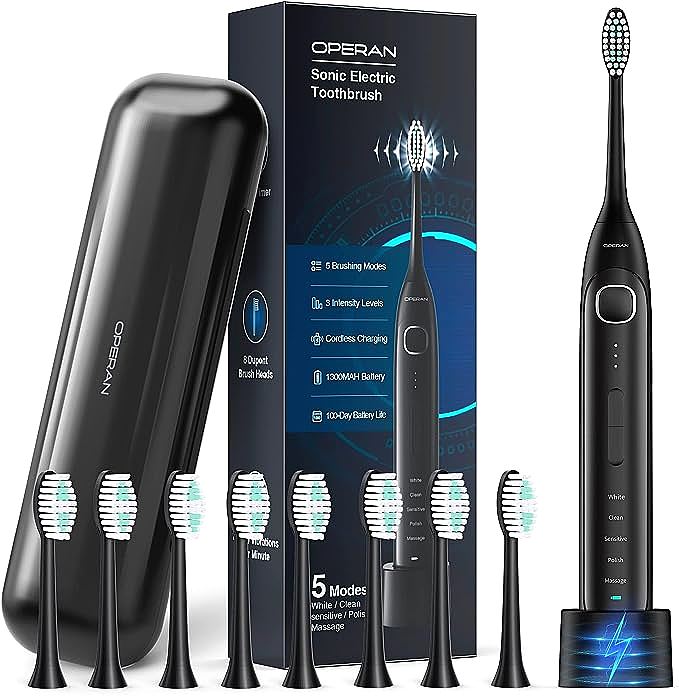
Sonic Science: How 40,000 VPM Transforms Oral Health
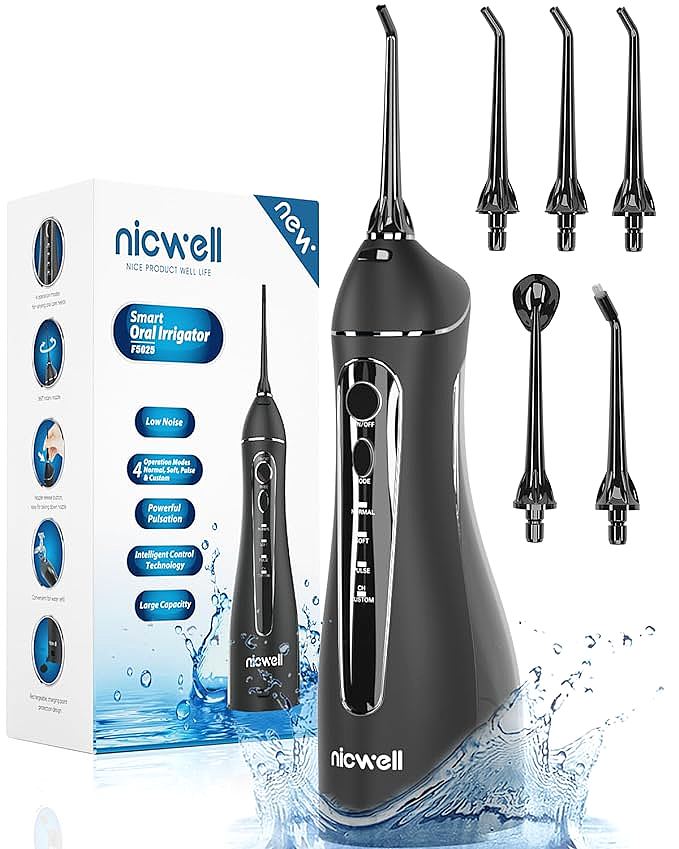
Fluid Dynamics in Orthodontics: Mastering Non-Contact Cleaning with Precision Irrigation

Hydrodynamic Hygiene: Mastering Oral Biofilm Control with Portable Precision
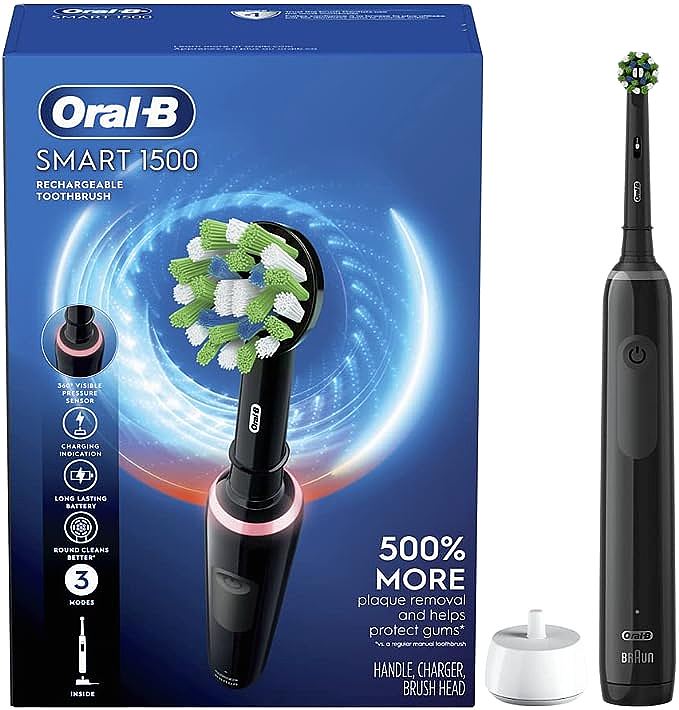
The Engineering of Essentials: Torque, Geometry, and the 360° Pressure Sensor

The Physics of Precision: Linear Sonic Motors and the Art of the Pen Grip

The Quantified Smile: Decoding Maglev Physics and Smart Sensors in Modern Dental Care
The Science of Hydrokinetic Hygiene: Decoding Pulsation, Pressure, and Periodontal Health
Fluid Dynamics Personalized: Mastering Home Oral Hygiene with Adaptive Water Flossing Technology