The Sonic Shift: Understanding 42,000 VPM and the Sensory Adaptation to High-Frequency Hygiene
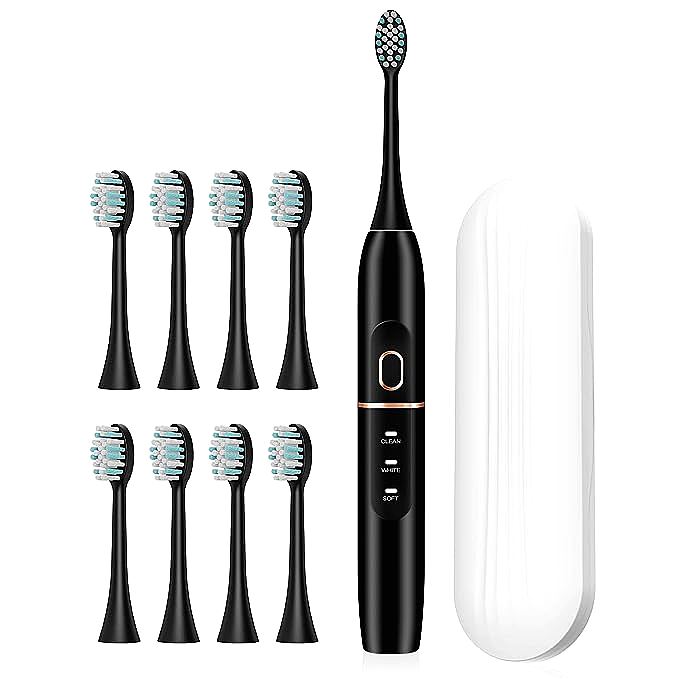
kingheroes C2-1 Electric Toothbrush
The transition from manual to electric brushing is often viewed simply as an upgrade in convenience. However, moving to high-frequency sonic technology represents a fundamental shift in the physics of how we clean our teeth. It is a move from simple mechanical abrasion to a complex interaction of vibration, fluid dynamics, and sensory adaptation.
When we examine devices like the kingheroes C2-1 Electric Toothbrush, the headline specification is often the motor speed—in this case, 42,000 vibrations per minute (VPM). But to the uninitiated user, this number is abstract. Its real-world implications are felt immediately upon first use, often manifesting as unexpected sensations or usage challenges. Understanding the science behind these vibrations is key to mastering the tool.
The Engine Room: "Sports Car" Precision
In the world of electromechanics, not all vibrations are created equal. A lower-end oscillating motor might produce a heavy, rattling sensation—akin to a tractor. In contrast, advanced sonic motors, such as the one found in the C2-1, utilize a magnetic levitation or high-speed eccentric shaft design to generate high-frequency, low-amplitude vibrations.
This is why the sensation is often described as a "hum" rather than a "shake." This high-frequency operation is critical for two reasons:
1. Debris Disruption: The bristles move faster than the hand ever could, physically breaking up plaque colonies.
2. Acoustic Streaming: This is the hidden power of sonic tech. The rapid 42,000 VPM movement transfers energy into the fluids in your mouth (saliva and toothpaste), creating turbulent micro-currents. These currents can reach deep into interdental spaces and along the gumline, areas where the bristles themselves may not reach.
The Physics of the "Tickle": A Sensory Adaptation
A common reaction for first-time sonic users is a feeling of intense tickling, sometimes described as "giving the willies." This is not a defect; it is a biological response to a novel stimulus.
Your gums and tongue are densely packed with mechanoreceptors—nerve endings designed to detect texture and pressure. Manual brushing provides a low-frequency, high-pressure stimulus. Sonic brushing introduces a high-frequency, low-pressure stimulus that these nerves have likely never encountered. The result is an overload of sensory input interpreted by the brain as a tickle.
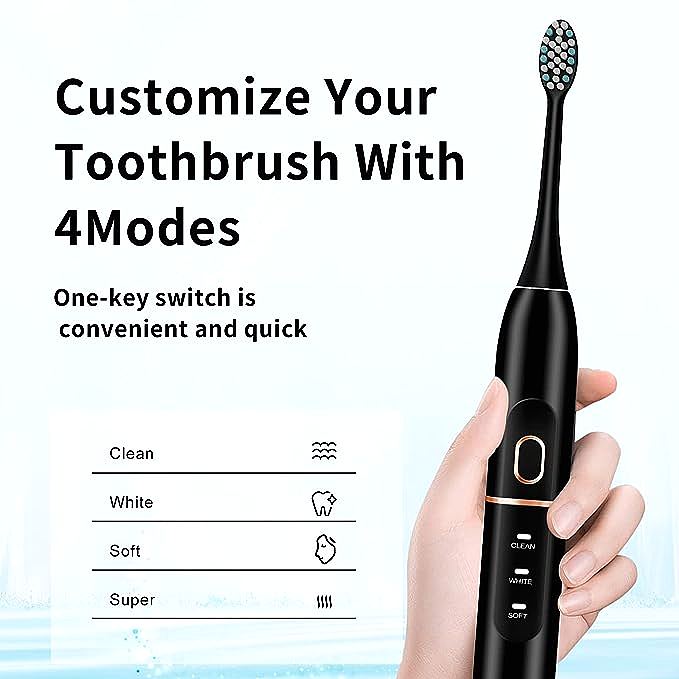
- The Protocol: This sensation typically subsides within a week of consistent use, a process known as habituation. To mitigate the initial intensity, the C2-1 offers a "Soft" mode. This likely reduces the amplitude (the distance the bristles travel) while maintaining frequency, allowing the nerves to acclimatize without sacrificing the cleaning principle.
Fluid Dynamics and the "Splatter Effect"
Another frequent user observation is the "mess factor." Users accustomed to manual brushing often keep their mouths open to see where they are cleaning. With a sonic device, this leads to toothpaste splattering across the mirror.
This splatter is direct evidence of energy transfer. The motor is successfully imparting kinetic energy into the fluid, causing it to eject from the bristles. * Technique Adjustment: The shift to sonic requires a closed-mouth technique. The user guides the brush by feel (proprioception) rather than sight. The "Super" mode on the C2-1, which engages the motor's full torque, makes this technique even more critical to contain the hydrodynamic forces at play.
Power Density and Design Trade-offs
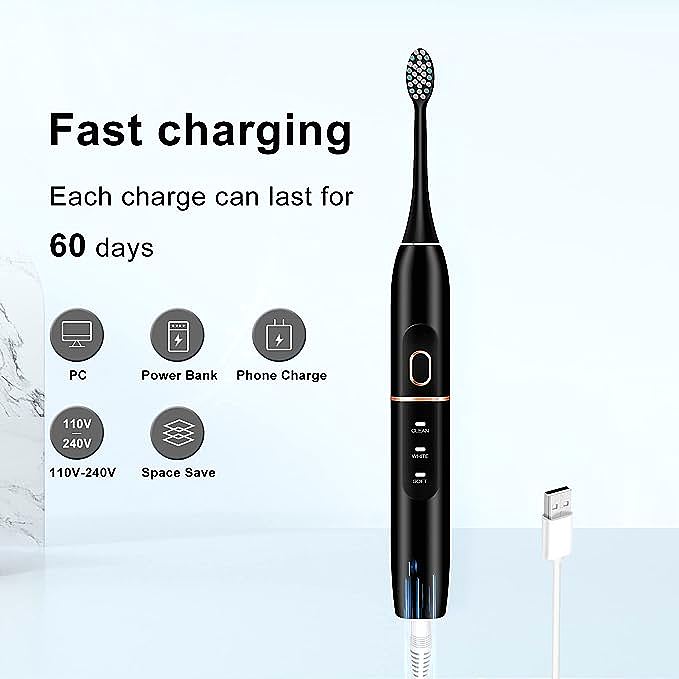
Modern portable electronics are defined by the transition to Lithium-Ion energy storage. The C2-1 boasts a standby time of approximately 60 days. This high energy density allows the device to maintain consistent motor torque even as the battery charge depletes—a significant upgrade over older Nickel-Metal Hydride (NiMH) batteries which would cause the brush to "drag" as power faded.
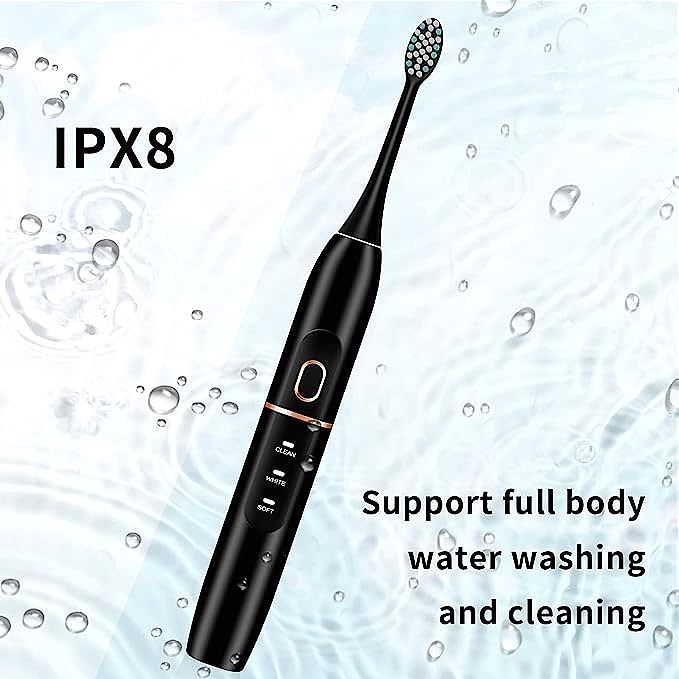
However, engineering is the art of compromise. Users may note that the charging port is located on the bottom of the handle, preventing the unit from standing upright while charging. In the context of industrial design, this is often a strategic choice to maximize water resistance (IPX rating). By placing the port on the bottom and covering it with a seal, the designers protect the most vulnerable ingress point from the gravity-fed flow of water and toothpaste foam that occurs during use. It prioritizes component longevity over the minor convenience of a vertical charging stand.
The Ecosystem of Hygiene
Ultimately, a toothbrush is a consumable tool. The efficacy of any sonic brush degrades as bristles wear down and lose their stiffness, which dampens the transfer of vibrations. The inclusion of multiple brush heads (often 8 in the C2-1 set) is not merely a value add; it is a roadmap for long-term hygiene. It encourages the user to adhere to the 3-month replacement cycle recommended by dental professionals without the friction of purchasing new consumables immediately.
By understanding the mechanics of 42,000 VPM—from the tickle on the gums to the energy in the fluid—users can move past the initial learning curve and fully leverage the benefits of modern oral care technology.
kingheroes C2-1 Electric Toothbrush
Related Essays
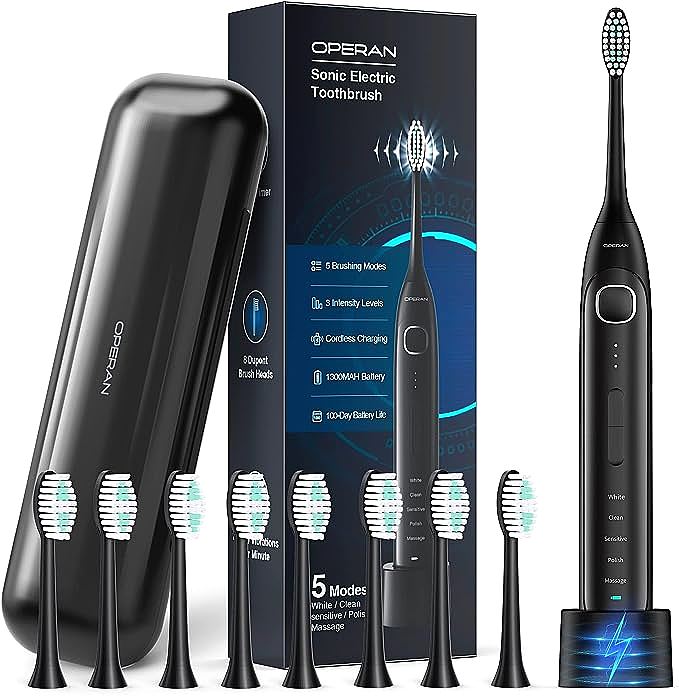
Sonic Science: How 40,000 VPM Transforms Oral Health
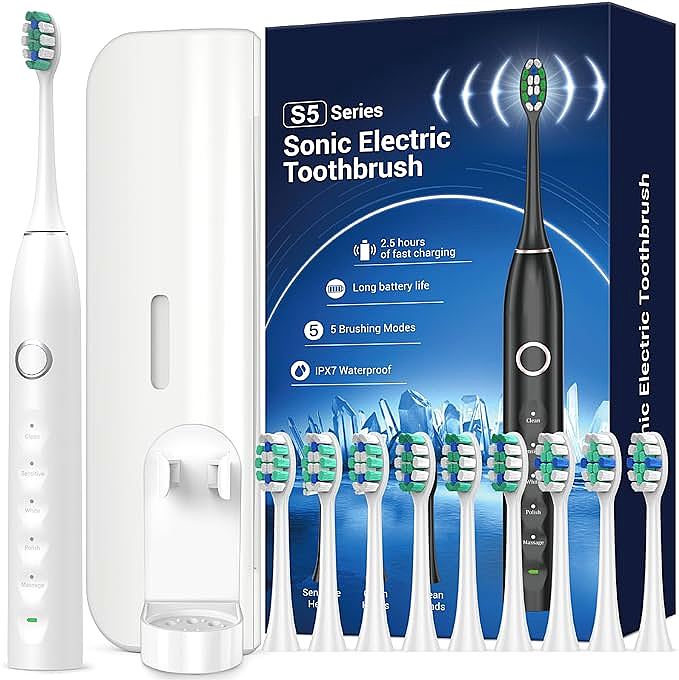
The Velocity of Clean: Deciphering 40,000 VPM and the Economics of Long-Term Oral Care
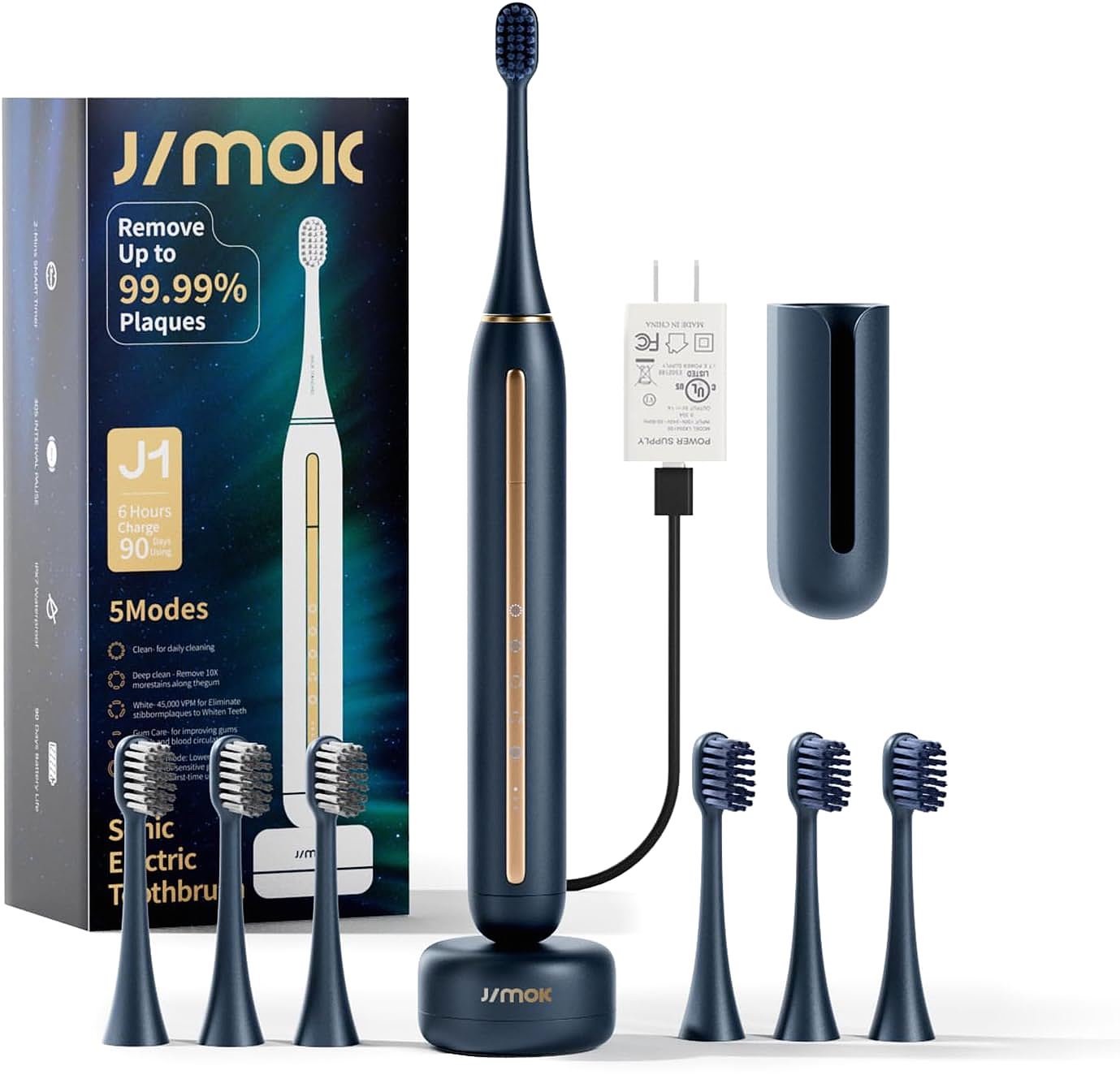
Beyond RPM: Decoding the Mechanics of High-Frequency Sonic Oral Care
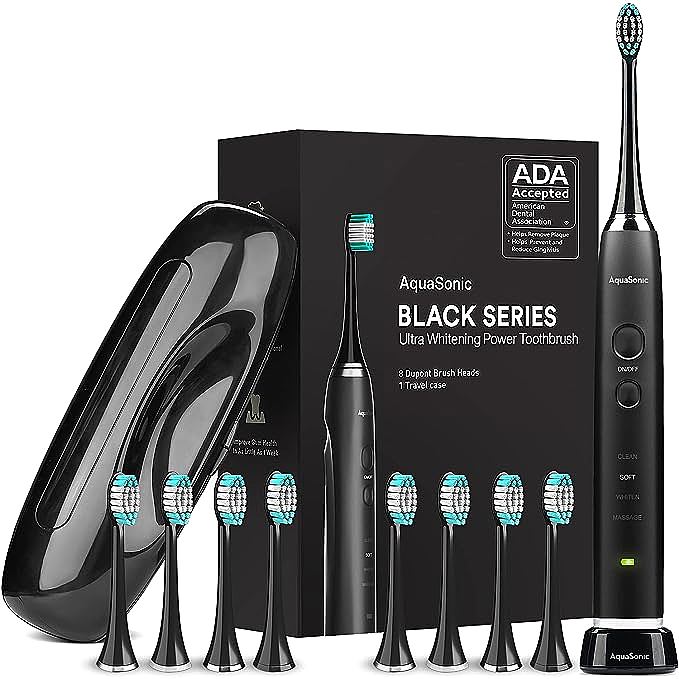
Beyond the Buzz: The Physics of 40,000 VPM and the Democratization of Sonic Oral Care
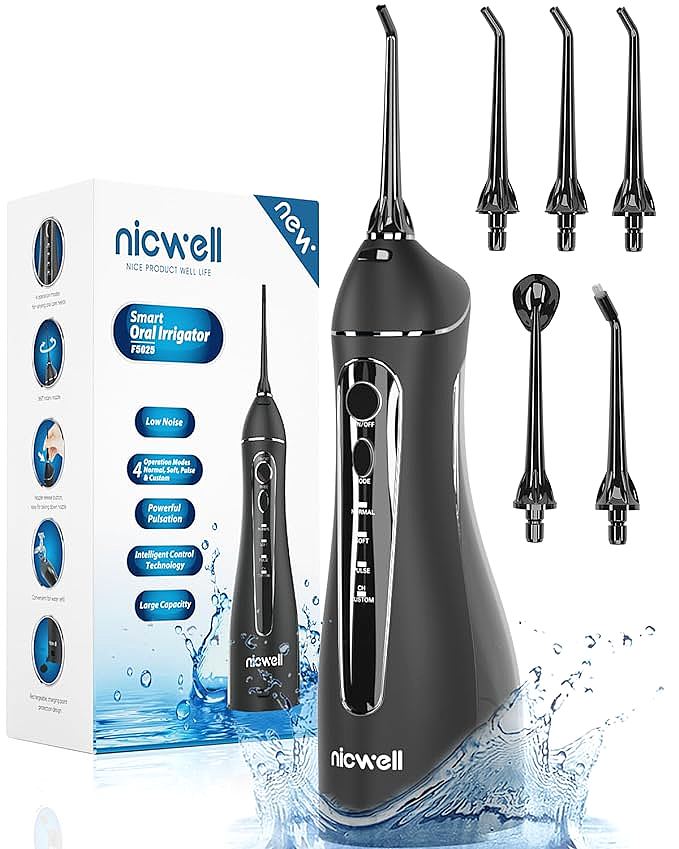
Fluid Dynamics in Orthodontics: Mastering Non-Contact Cleaning with Precision Irrigation

Hydrodynamic Hygiene: Mastering Oral Biofilm Control with Portable Precision
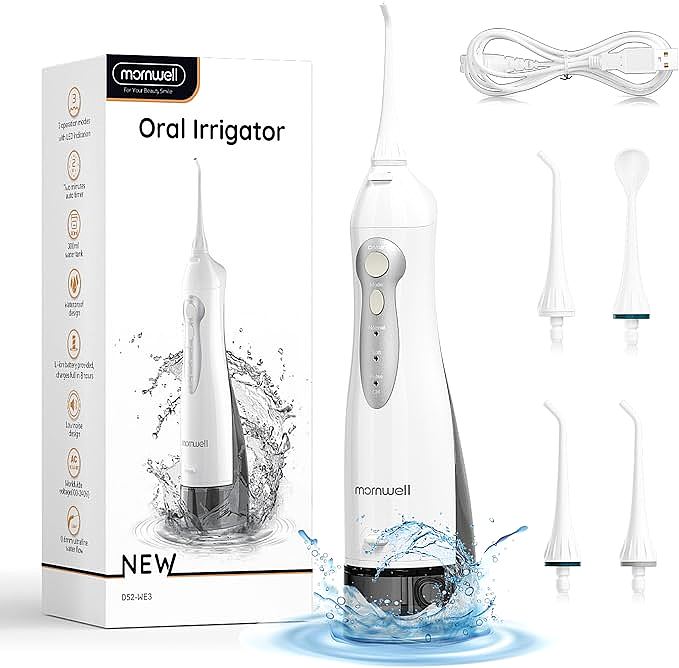
The Science of Hydrokinetic Hygiene: Decoding Pulsation, Pressure, and Periodontal Health
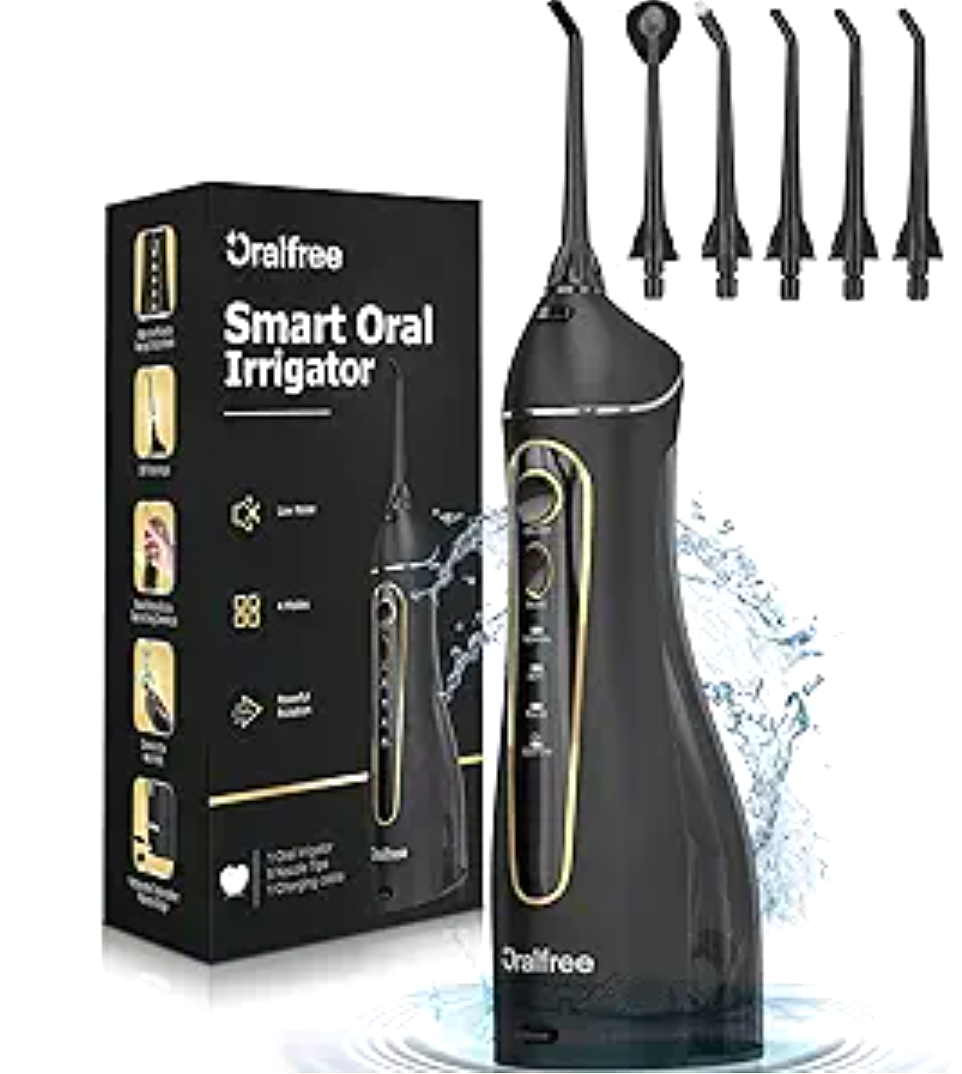
Fluid Dynamics Personalized: Mastering Home Oral Hygiene with Adaptive Water Flossing Technology
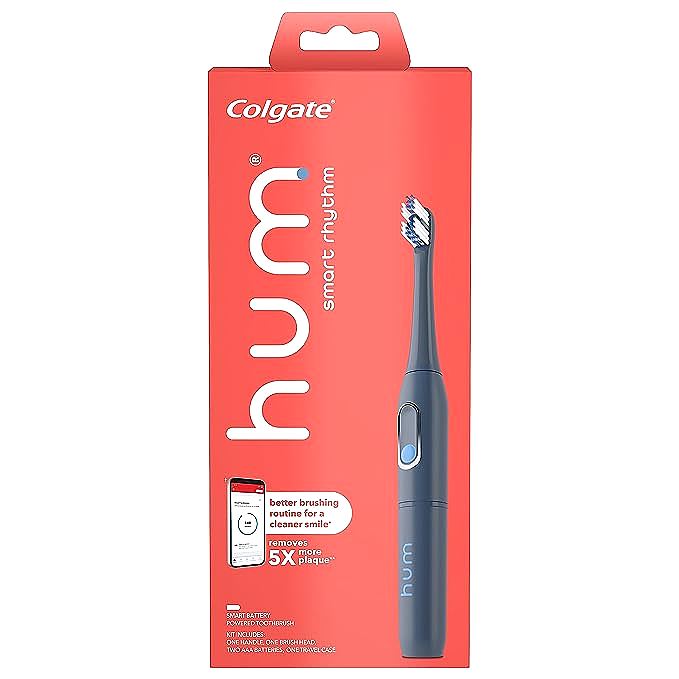
The Feedback Loop: Engineering Better Hygiene Habits with Sonic Precision and Data
