The Kinetic Biofilm Disruption: Evaluating High-Volume Hydro-Mechanics in Oral Care
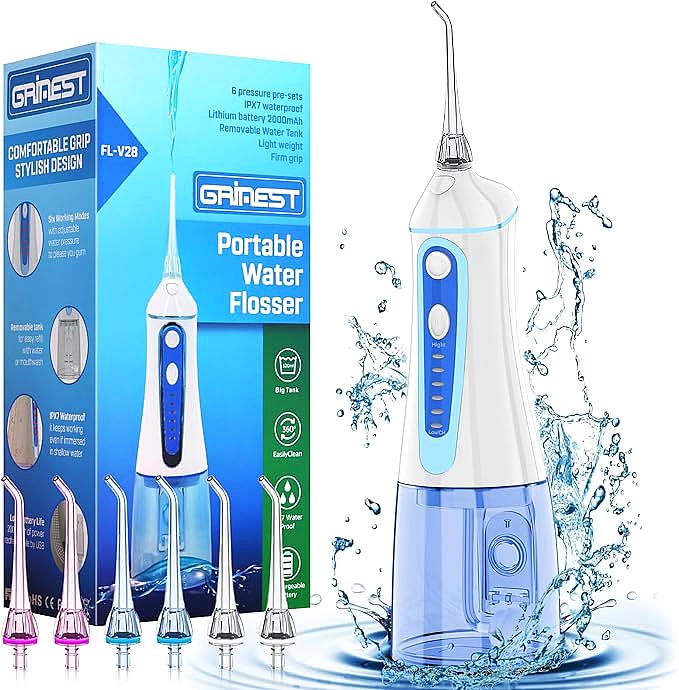
Grinest FL-V28 Water Dental Pik Flosser
In the domain of oral prophylaxis, the mechanical removal of biofilm remains the gold standard for preventing periodontal disease. However, the efficacy of this removal is often compromised by a single variable: compliance. Traditional flossing, while effective, suffers from low adherence rates due to manual dexterity requirements and discomfort. This has necessitated the rise of the dental water pik (oral irrigator) as a primary adjunct in home care.
But not all irrigation is created equal. The physics of cleaning requires a specific combination of pressure (PSI), pulsation frequency, and—crucially—volume. A common limitation in the portable sector is the "volume-duration mismatch." Clinical protocols suggest that effective full-mouth irrigation requires approximately 60 to 90 seconds of continuous flow to adequately flush the gingival sulcus. Standard portable units, often capped at 200ml, typically exhaust their reservoir in under 45 seconds at therapeutic pressures.
This analysis examines the Grinest FL-V28, a device that attempts to reconcile the portability of a handheld unit with the volumetric demands of a countertop model. By integrating a 320ml reservoir with a 130 PSI pressure ceiling, it presents a case study in optimizing the hydro-mechanical parameters required for effective plaque disruption.
The Physics of Shear Stress: Why Pulse Matters
To understand the efficacy of a water pik water flosser, one must look beyond simple rinsing. The mechanism of action relies on Shear Stress generated by the impact of the water jet against the tooth surface and gum line.
1. The Compression-Decompression Cycle
The Grinest FL-V28 utilizes a high-frequency pulse mechanism (operating in the standard therapeutic range). Unlike a continuous stream (laminar flow), which can exert constant pressure that may suppress tissue, a pulsating stream creates a micro-percussion effect. * Impact Phase: The water packet strikes the biofilm, creating an initial fracture in the polysaccharide matrix. * Relaxation Phase: The brief interval between pulses allows the gingival tissue to rebound, promoting micro-circulation without sustaining trauma. * Evacuation: The secondary flow carries the dislodged debris away from the periodontal pocket.
2. The Pressure Spectrum (45-130 PSI)
The variation in pressure is not merely for comfort; it serves different anatomical functions. * Low Range (45 PSI): At this level, the shear force is insufficient to remove calcified calculus but is ideal for subgingival irrigation. It allows the fluid to penetrate the sulcus (up to 3-4mm depth) to flush out planktonic bacteria and inflammatory mediators without damaging the epithelial attachment. * High Range (130 PSI): This generates the turbulent flow necessary to dislodge food impaction and heavier plaque deposits, particularly in interproximal spaces where brush bristles cannot reach.
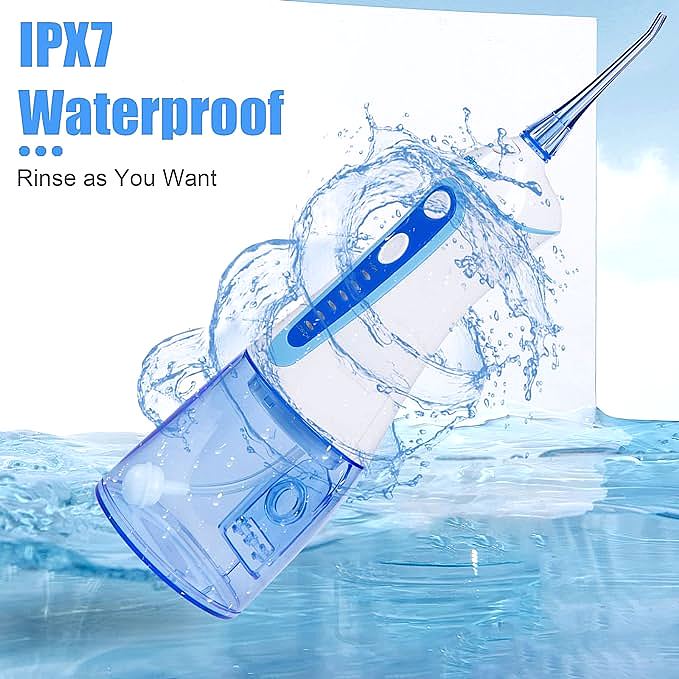
(Insert Image A: A technical diagram or close-up showing the Grinest FL-V28 nozzle tip spraying water, illustrating the concept of "Pulsed Water Jet" hitting a surface.)
The Volumetric Threshold: The 320ml Advantage
The most significant engineering deviation in the Grinest FL-V28 is the 320ml water tank. In fluid dynamics applied to dentistry, Time Under Tension (or irrigation duration) is a critical factor.
The Mathematics of a Thorough Clean
Most portable units force a compromise: reduce pressure to extend runtime, or increase pressure and run dry in 30 seconds. * The Problem: A 200ml tank at 100 PSI typically empties before the user can complete both the buccal (cheek side) and lingual (tongue side) surfaces of both arches. * The Grinest Solution: The 320ml capacity extends the operational window. At high pressure, this volume provides sufficient runtime to trace the gumline of all 28-32 teeth, ensuring that the dental water pik completes the full prophylactic cycle without interruption.
This continuous operation is vital for maintaining the "flush zone." When a user stops to refill, the suspension of debris in the mouth settles. Continuous flow ensures that dislodged pathogens are immediately evacuated from the oral cavity, rather than being redistributed.
Furthermore, the Double Button Design (separating power from mode selection) addresses a common hydrodynamic accident. By allowing the user to pre-select the pressure setting before engaging the pump, it prevents the "startle response" caused by an unexpected high-pressure jet, ensuring that the nozzle is properly positioned to deliver the water stream at the correct 90-degree angle to the long axis of the tooth.