The Mechanics of "Manual Assist": Why Micro-Vibrations Are a Valid Clinical Category
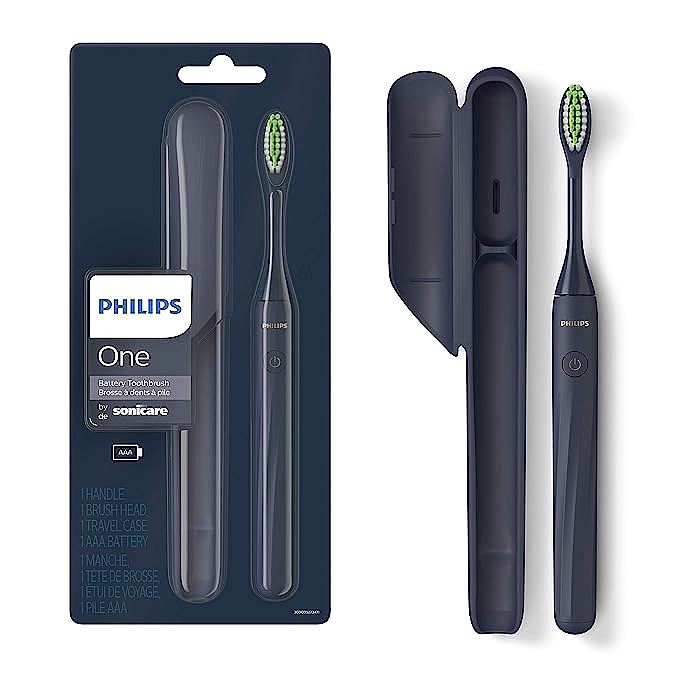
Philips HY1100/04 One by Sonicare Battery Toothbrush
For the better part of two decades, the oral care market has been polarized. On one end, we have the manual toothbrush: a primitive tool relying entirely on the user's dexterity, pressure, and patience—variables that are notoriously inconsistent. On the other end lies the "High-Amplitude Sonic" device (typified by the flagship Philips Sonicare line), creating fluid dynamic forces through 62,000 movements per minute to dislodge biofilm non-contact.
Between these two extremes lay a vast wasteland of ineffective "battery spinners"—cheap devices that merely mimicked motion without improving mechanics. However, the introduction of the Philips HY1100/04 One signals the maturation of a third, scientifically valid category: The Hybrid Manual-Assist Brush.
By decoupling "power" from "performance," this device challenges the notion that an electric toothbrush must be a jackhammer to be effective. Instead, it leverages the physics of Micro-Vibration to optimize, rather than replace, the manual brushing motion.
The Physics of Friction Reduction
To understand the Philips One, we must first accept that it is not a Sonicare in the traditional sense. It does not generate the powerful fluid shear forces (hydrodynamics) capable of blasting plaque from between teeth from a distance. Its motor is tuned differently, focusing on frequency over amplitude.
The science here revolves on the Coefficient of Friction. When brushing manually, the bristles drag across the enamel. If the user applies too much pressure, this drag turns into abrasion; too little, and the plaque remains undisturbed.
The Philips One introduces a constant hum of micro-vibrations. From a physics standpoint, these vibrations act as a lubricant. They rapidly break the static friction between the bristle tips and the tooth surface, allowing the bristles to glide more effortlessly. This "floating" effect means the user can achieve a polishing action with significantly less varying pressure. It essentially turns the toothbrush into a high-speed buffer, compensating for the erratic movements of the human hand.
The "Pacing" Effect: Psychology Meets Engineering
The effectiveness of the Philips One is as much behavioral as it is mechanical. In clinical observations, the single biggest failure point of manual brushing is temporal inconsistency. Most people brush for less than 45 seconds, missing entire quadrants of the mouth.
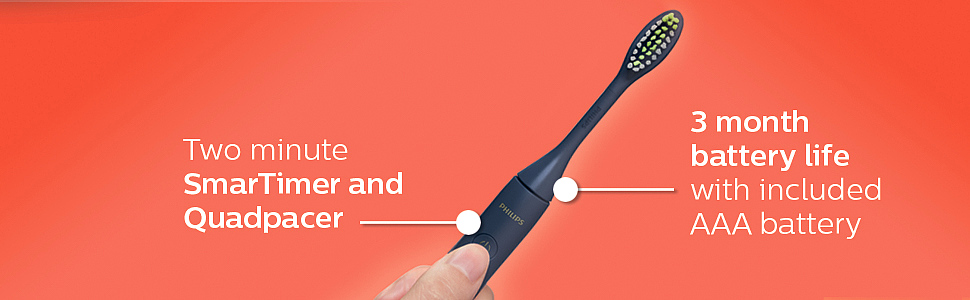
By embedding a Quadpacer (30-second interval timer) into a battery-operated, manual-style handle, Philips creates a "Trojan Horse" for better habits. The vibration does not just clean; it acts as a metronome. This Haptic Feedback Loop forces the user to slow down and synchronize their hand movements with the device.
It bridges the "Compliance Gap." Users who find heavy, high-torque sonic brushes intimidating or uncomfortable (the "tickle" factor) often revert to manual brushing. The Philips One provides the structural discipline of an electric brush (the timer) without the sensory overload of high-amplitude cavitation. It validates the concept that the best toothbrush is not necessarily the most powerful one, but the one that induces the most consistent user behavior.
Philips HY1100/04 One by Sonicare Battery Toothbrush
Related Essays

The Physics of Rage-Cleaning: How Superheated Steam Bends the Rules of Water

The Invisible Battlefield in Your Carpet: How Science Wages War on Dirt

The Hidden Science in Your Child's Toothbrush: How Physics and Psychology Win the Brushing Battle
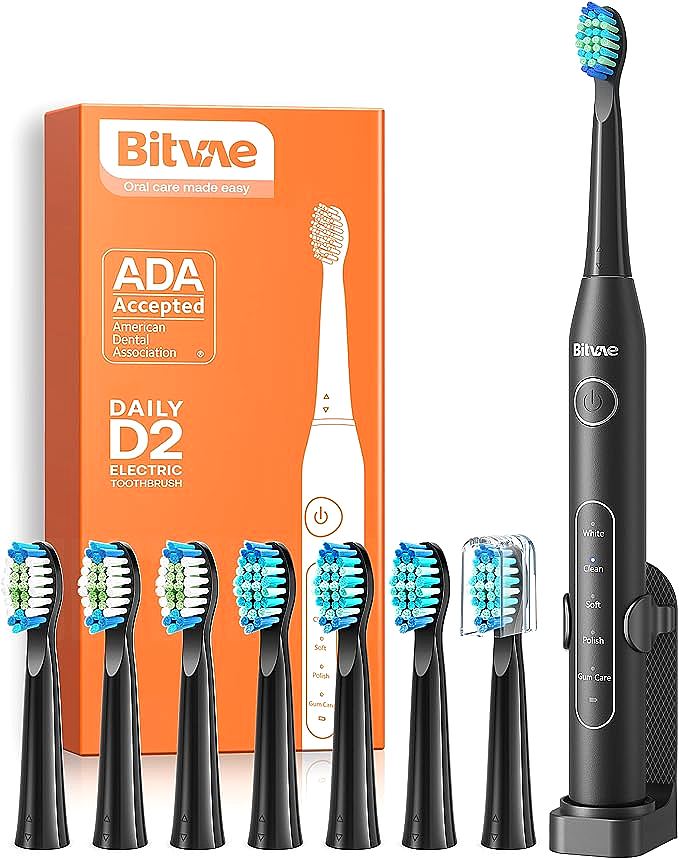
Bitvae D2 Electric Toothbrush: Sonic Cleaning for a Healthier Smile

Waterpik WP-582 Cordless Advanced 2.0: Achieve Superior Gum Health
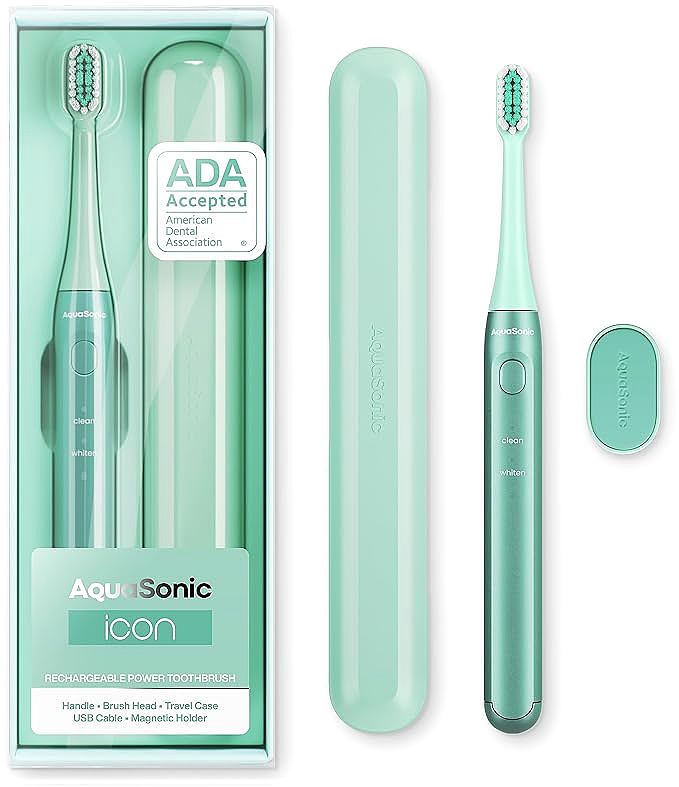
Aquasonic Icon Rechargeable Toothbrush: ADA-Accepted for a Healthier Smile
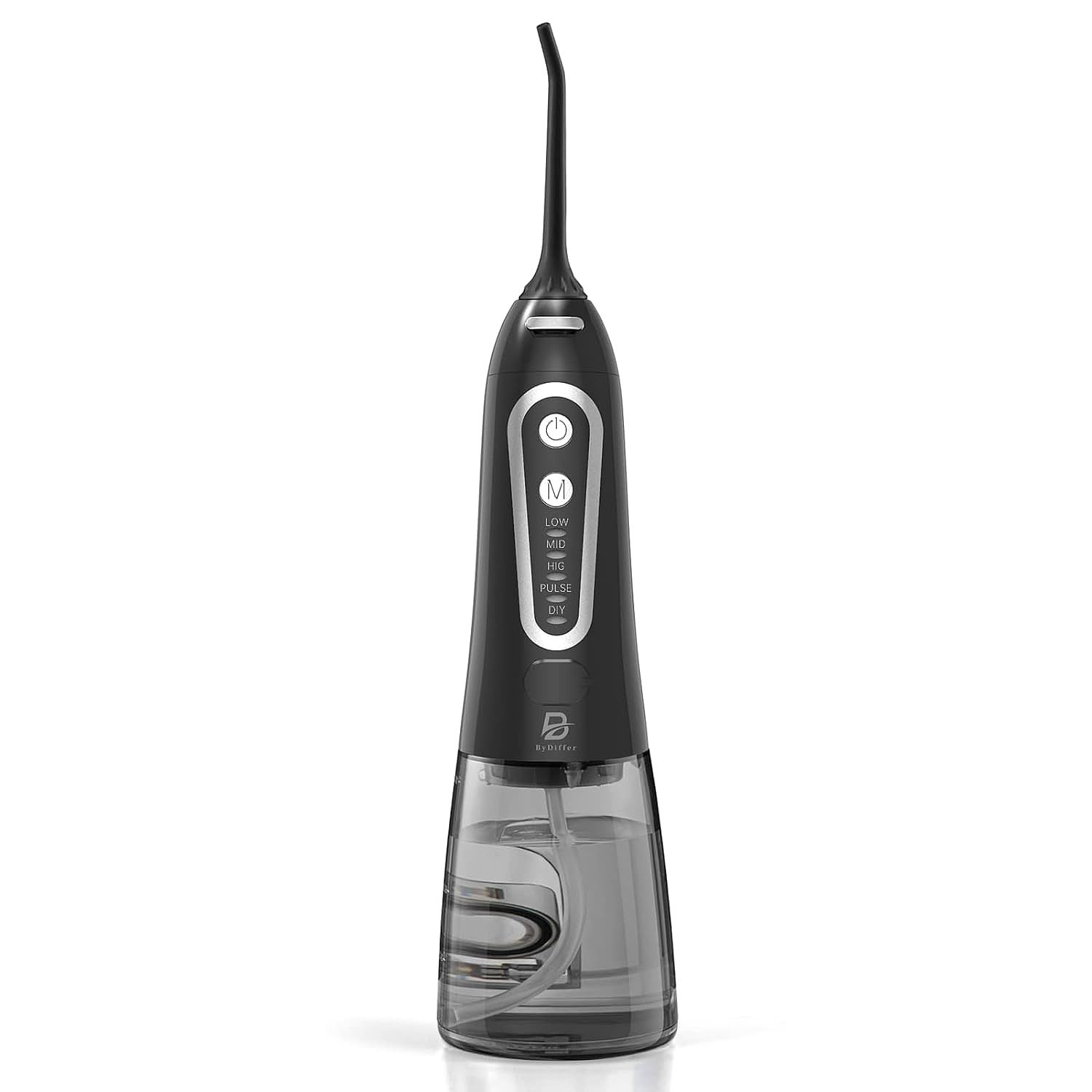
BYDIFFER LKS-WF-US Water Flosser: A Portable Option for Deep Teeth Cleaning and Oral Health
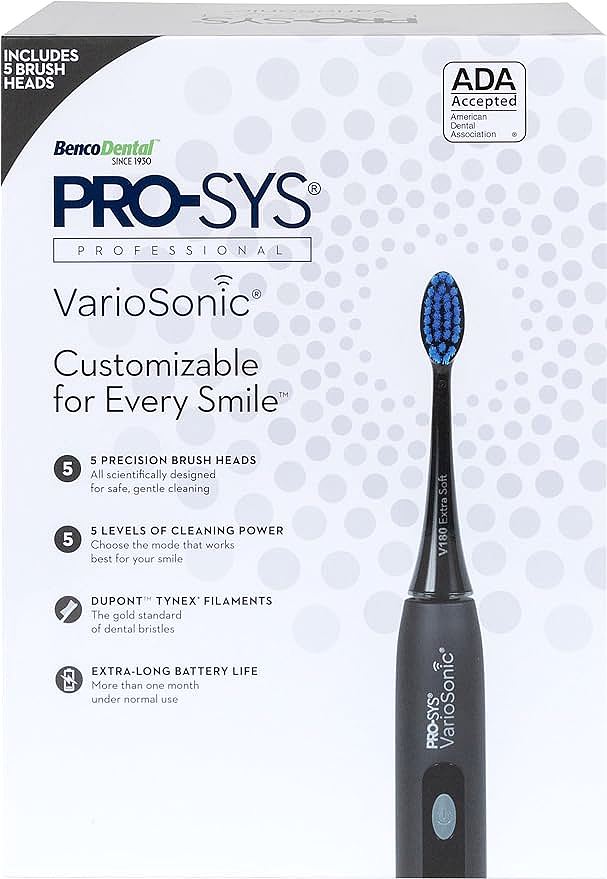
PRO-SYS VarioSonic Rechargeable Electric Toothbrush - Powerful Cleaning and Total Comfort for Sensitive Teeth

BIG MOUTH TOOTHBRUSH 2.0 Sonic (Black) | Experience a Dentist-Like Clean at Home
